The Therapeutic Impact of Arts and Crafts Activities on Mental Health
The Role of Arts in Enhancing Mental Health
In today’s fast-paced world, the quest for mental health solutions has never been more critical. Increasingly, people are turning to arts and crafts activities as a means of coping with stress, anxiety, and depression. This trend highlights the growing recognition of creativity as a powerful tool for therapeutic healing.
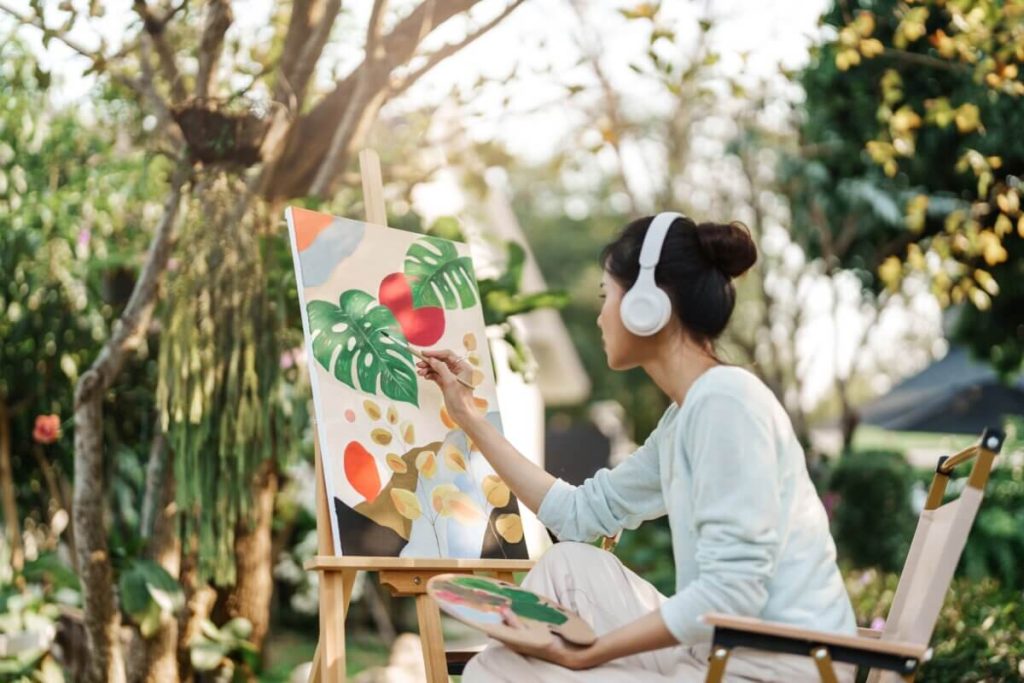
Engaging in arts and crafts provides numerous psychological benefits that can significantly enhance one’s overall well-being. For instance, consider the practice of painting. This form of expression not only allows individuals to channel their emotions but also serves as a way to process complex feelings that may be hard to articulate. An individual might find solace in the vibrant hues of a canvas, translating frustration or joy into colors and shapes that speak louder than words ever could.
Key Benefits of Arts and Crafts
- Stress Reduction: Crafting activities promote mindfulness. When immersed in tasks like knitting or scrapbooking, individuals learn to focus on the moment, which aids in reducing anxiety. A study from the American Journal of Public Health found that engaging in creative activities can lower stress hormones and elevate mood.
- Emotional Expression: Artistic endeavors allow individuals to express feelings that can be difficult to articulate verbally. Many therapists encourage art therapy as a means for clients to explore their emotions creatively, providing an outlet that enhances communication and understanding of one’s inner world.
- Improved Self-esteem: Completing a project instills a sense of accomplishment, thereby boosting confidence. Crafting offers tangible results that individuals can take pride in, whether it’s a handmade scarf or a beautiful piece of pottery. This sense of achievement can be particularly uplifting for those struggling with self-worth.
Research indicates that the therapeutic impact of these activities is profound. Studies show that individuals who engage in creative tasks regularly experience lower levels of distress and increased emotional resilience. A recent report from the National Institute of Mental Health suggested that community-based art programs significantly enhanced the mental health of participants, illustrating the importance of creativity in our lives.
Furthermore, community workshops and online tutorials present opportunities for everyone to explore their creative sides, regardless of skill level. Whether it’s painting, knitting, or pottery, each activity can serve as a unique avenue for mental health benefits. Programs like the “Art for Healing” initiative in various U.S. cities exemplify how artistic expression can serve as a community glue, bringing individuals together for support and healing.
As conversations surrounding mental health become increasingly prominent in society, understanding the benefits of hands-on creativity is increasingly relevant. By delving into the arts, individuals not only discover avenues for self-exploration and healing, but also take part in a broader movement towards holistic wellness—one brushstroke, bead, or clay figure at a time.
DISCOVER MORE: Click here to learn how performing arts can support mental health
Unveiling the Psychosocial Benefits of Creative Engagement
The intersection of creativity and mental health has garnered significant attention in recent years, as a wide array of studies illuminate the profound benefits of engaging in arts and crafts activities. These activities are not only enjoyable pastimes but also powerful instruments for personal growth and emotional healing. In an era where mental health issues are becoming increasingly prevalent, understanding how creative outlets serve as therapeutic resources is essential.
One of the most striking benefits of creative engagement is its ability to foster mindfulness. Activities such as painting, drawing, or sculpting require focused attention, drawing individuals into the present moment. This state of mindfulness can mitigate the effects of stress, with research from the University of Utah indicating that even brief sessions of artistic expression can lead to significant decreases in perceived stress levels. Furthermore, simple, repetitive activities, such as coloring or knitting, create a meditative rhythm, allowing the mind to relax and unwind.
Social Connectivity Through Arts
Beyond individual experiences, arts and crafts also cultivate social connections. Participating in group workshops or community art projects provides a unique platform for individuals to connect over shared experiences. These interactions can counter feelings of isolation, which is crucial for mental health. A 2020 study by the Journal of Community Psychology found that participation in community art initiatives improved feelings of belonging and reduced loneliness among participants.
- Creative Collaboration: Group projects, such as mural paintings or collaborative textile art, encourage teamwork and social bonding. These collaborative efforts not only build community spirit but also promote feelings of collective accomplishment.
- Support Networks: Art clubs and workshops often create informal support networks, where members share personal stories and experiences. This environment fosters empathy and understanding, key components in mental health recovery.
- Skill Development: Learning new artistic skills in a group setting can enhance self-esteem and motivation. Accomplishing a new craft can empower individuals and encourage them to pursue further creative challenges.
The therapeutic potential of arts and crafts extends beyond simple engagement; it offers a multifaceted approach to treating and enhancing mental health. Art therapy, a specific practice utilized by trained professionals, combines psychological principles with creative expression to address emotional and psychological disorders. Clients are encouraged to express their feelings through various media, providing insight into their mental state while fostering healing through creativity.
As we continue to explore the impact of arts and crafts on mental health, it becomes increasingly clear that creativity serves as both a therapeutic modality and a means of ensuring individual well-being. From reducing stress and enhancing self-esteem to building social connections, engaging in creative activities is turning into a beacon of hope for many seeking solace in an often chaotic world.
| Category | Details |
|---|---|
| Creative Expression | Engaging in arts and crafts allows individuals to express their feelings without words, facilitating emotional release. |
| Social Connection | Participating in group art activities fosters connections with others, helping reduce feelings of isolation. |
Participating in arts and crafts activities significantly enhances mental well-being by providing an avenue for creative expression. This form of expression is therapeutic as it enables individuals to process emotions, promote self-discovery, and alleviate anxiety. A study conducted by the American Journal of Public Health indicated that participation in such activities can lead to improved mood and a decrease in depressive symptoms, thus establishing a link between art therapy and enhanced psychological health.Moreover, arts and crafts can catalyze social interaction, which is particularly important for individuals experiencing mental health challenges. Group workshops or classes not only offer skill-building opportunities but also create a space for shared experiences and support. When individuals engage in these activities together, they often find themselves forming friendships, sharing stories, and developing a support network that contributes positively to their overall mental health.The repetitive nature of crafting, from knitting to painting, is also touted for its calming effects. Mindfulness achieved through such focus can lead to lower stress levels, thereby acting as a preventive measure against mental health crises. Overall, the therapeutic potential of arts and crafts activities extends far and wide, making it a vital consideration for enhancing mental health strategies and interventions. Exploring the myriad benefits of incorporating these creative practices into daily routines can lead to substantial improvements in quality of life.
DISCOVER MORE: Click here to explore the richness of musical genres</a
Transformative Healing Through Creative Expression
In addition to fostering social connections and mindfulness, arts and crafts activities also serve as a powerful tool for self-exploration and emotional processing. Through creative expression, individuals have the opportunity to delve into their thoughts and feelings, often discovering hidden emotions that may be difficult to articulate verbally. This form of expression is particularly beneficial for those dealing with trauma or mental health disorders, as evidenced by the work of art therapists who utilize these methods as part of a structured therapeutic process.
Moreover, studies have shown that creative activities can result in measurable psychological benefits. The American Psychological Association reports that participating in art-making can enhance mood and lower symptoms of anxiety and depression. A survey conducted by the University of California revealed that individuals engaging in creative arts reported an astonishing 75% decrease in depression and anxiety after only eight weeks of consistent practice. This data underscores the transformative power of arts and crafts in cultivating mental wellness.
Enhancing Cognitive Function
Engaging in arts and crafts activities not only benefits emotional health but also significantly impacts cognitive function. Research conducted at the National Institute of Health indicates that creative activities stimulate various brain regions responsible for memory, problem-solving, and emotional regulation. This stimulation can lead to improvements in cognitive abilities, particularly in older adults at risk of cognitive decline. Activities such as painting, crafting, or even adult coloring books can bolster neuroplasticity, which helps in developing new neural connections, thereby enhancing overall brain function.
- Problem-Solving Skills: Arts and crafts often require critical thinking and creative problem-solving. Whether designing a project or mixing colors, these tasks encourage individuals to think outside of the box, fostering resilience and adaptability.
- Memory Enhancement: Techniques involving memory recall and artistic creation can help in improving memory retention. Engaging individuals in the creative process challenges them to remember steps and visualize outcomes, ultimately sharpening cognitive skills.
- Personal Expression: Techniques such as journaling or mixed-media art can provide a safe space for individuals to process their thoughts. This approach not only enables emotional expression but also allows for reflection, potentially leading to personal insights and self-acceptance.
Furthermore, arts and crafts act as a dedicated form of self-care, offering individuals a reprieve from daily stresses. Therapeutic practices such as craft therapy have emerged within clinical settings, where clients are encouraged to channel their emotions into making art. This structured approach not only diversifies treatment options but also empowers individuals to reclaim control over their mental health. Research by the British Journal of Arts Therapy highlights that those engaged in art therapy report an improved sense of autonomy and an enhanced ability to manage daily stressors.
As we navigate the complexities of the modern world, the therapeutic impact of arts and crafts activities on mental health becomes increasingly significant. Whether rediscovering a passion for painting or trying out a new craft, individuals are finding ways to not only heal but also thrive creatively, reinforcing the undeniable connection between artistic expression and well-being.
DISCOVER MORE: Click here to dive deeper
Conclusion: Embracing Creativity for Mental Wellness
The profound therapeutic impact of arts and crafts activities on mental health cannot be overstated. As we have explored, these creative pursuits not only promote emotional well-being but also enhance cognitive functions, making them invaluable tools in the journey towards mental wellness. Engaging in arts and crafts fosters self-exploration and emotional processing, enabling individuals to confront and articulate their feelings in a safe and constructive manner. Additionally, the measurable reductions in anxiety and depression symptoms, evidenced by comprehensive studies, underscore the effectiveness of art-making as a viable therapeutic intervention.
Moreover, the benefits extend far beyond the realm of emotional health. By stimulating critical brain regions involved in memory and problem-solving, arts and crafts empower individuals, particularly older adults, to combat cognitive decline and enhance overall brain function. Whether it is through problem-solving challenges in crafting or empowering personal expression via artistic techniques, these activities cultivate resilience and adaptability while providing a much-needed respite from the challenges of daily life.
As society continues to grapple with mental health issues, embracing the strengths of creative expression becomes increasingly imperative. The rise of practices like craft therapy within clinical settings demonstrates a growing recognition of the potential that these activities have in promoting life-enhancing skills and self-efficacy. Ultimately, whether you are an experienced artist or a beginner exploring new crafts, integrating these activities into daily life is not just an opportunity for personal joy but a vital step toward nurturing mental health. So, pick up that paintbrush, gather those supplies, and embark on a transformative journey of creative discovery—a step that promises not just healing but a newfound zest for life.