The Role of Handicrafts in Promoting Community and Women’s Empowerment
The Transformative Power of Handicrafts
Handicrafts represent a confluence of art, culture, and economy. Rooted in tradition, these handmade creations are not merely aesthetic objects; they serve as crucial instruments for community development and female empowerment around the world. In the United States, a burgeoning movement among local artisans is bringing unique handmade products to life, showcasing cultural narratives while generating economic opportunities.
Economic Independence
One of the most profound impacts of handicrafts is on economic independence. For many women, the opportunity to create and sell handmade products can provide a viable source of income. This aspect is particularly important in rural areas or underserved communities where traditional job opportunities may be limited. Crafting allows women to tap into their skills, crafting everything from woven textiles to handmade jewelry, and sell them at local markets or online platforms. For instance, platforms like Etsy have enabled countless artisans to connect with a global audience, vastly expanding their customer base and economic potential.
Skill Development
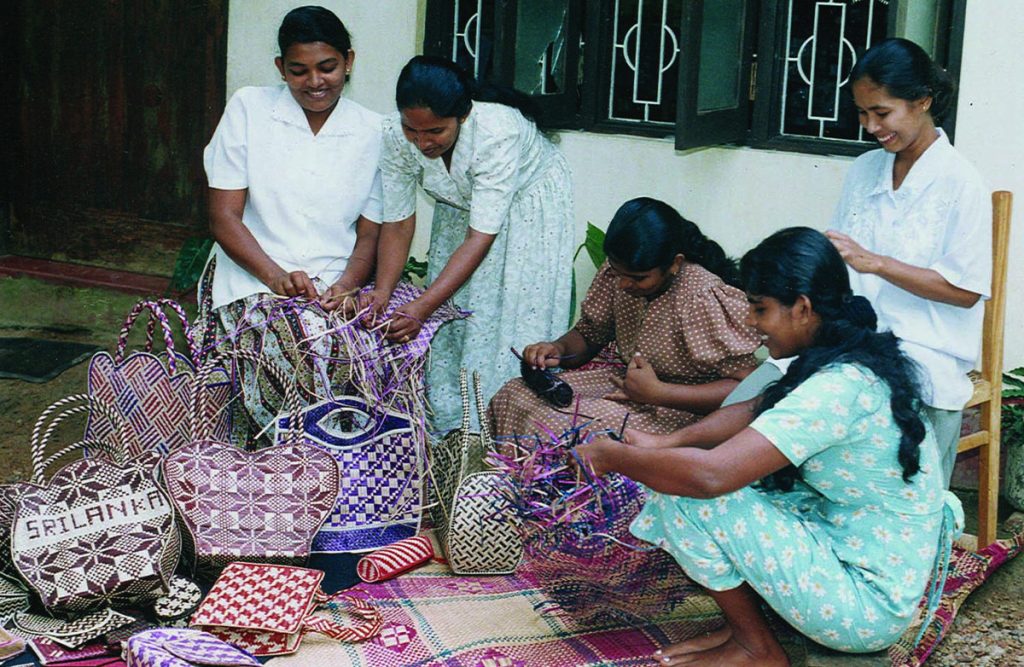
Beyond income generation, skill development plays a pivotal role in the empowerment of women through handicrafts. Many craft workshops offer training that extends beyond mere crafting skills; they encompass essential aspects of business management, marketing, and financial literacy. Programs such as those offered by organizations like Crafting Community empower women with both creative and commercial expertise. By participating in these workshops, women not only enhance their craftsmanship but also gain confidence in their abilities as entrepreneurs.
Community Engagement
Handicrafts also serve as a foundation for community engagement. When local artisans collaborate on projects, they create an environment that encourages support, camaraderie, and shared connections. Craft fairs and community markets become venues where people gather, share stories, and celebrate local creativity. Such interactions enrich social bonds and contribute to a more cohesive community fabric. Whether through cooperative ventures or collective selling platforms, artisans often find strength in numbers, uplifting not only themselves but their neighbors as well.
Cultural Preservation
Moreover, handicrafts play a vital role in cultural preservation. Each handcrafted item carries a story, a tradition, or a technique that reflects the identity of a community. By engaging in crafts, artisans keep alive cultural practices that might otherwise fade away. For instance, Indigenous artisans across the United States actively integrate traditional techniques into their works, helping to preserve and promote their heritage while inspiring the next generation to appreciate their cultural roots.
Ultimately, handicrafts are more than just beautiful pieces; they embody a resilient spirit and a commitment to community empowerment. The artisans who create these unique items not only carve out new narratives for their lives but also contribute to a broader dialogue about the power of creativity in bringing about societal change. Through the lens of handicrafts, we can delve deeper into the intertwined stories of empowerment, culture, and community, urging us to support this vibrant sector of the economy.
DIVE DEEPER: Click here to discover more
Transforming Lives Through Handicrafts
In a rapidly evolving economy, handicrafts offer a unique pathway for individuals, particularly women, to not only sustain their livelihoods but also build a strong sense of community. By providing opportunities for creativity and entrepreneurship, handicrafts create a ripple effect that enhances both personal and communal well-being. This aspect is particularly prominent in areas of the United States where traditional job options may be scarce and economic mobility is a primary concern.
Breaking the Cycle of Poverty
Many households in economically disadvantaged regions of the United States rely on multiple sources of income to make ends meet. Handicrafts empower women to generate income directly from their homes, offering flexibility to balance work and family responsibilities. By creating and selling products, women can contribute to their families’ financial stability and improve their overall quality of life. According to a report by the handmade industry association, the U.S. craft market has seen exponential growth, generating over $45 billion in revenue annually. This represents a significant opportunity for women artisans, particularly those involved in intersectional initiatives that specifically aim to uplift marginalized groups.
Diverse Opportunities in Crafting
The realm of handicrafts is expansive, offering a multitude of creative avenues through which artisans can express their skills. Here are some popular categories of handicrafts that demonstrate this diversity:
- Textiles: Quilting, weaving, and embroidery, where each region offers its unique patterns and techniques.
- Jewelry: Handmade pieces often reflect cultural stories and personal experiences, providing both artistic expression and marketplace appeal.
- Pottery: Crafting earthenware and ceramics that serve functional and decorative purposes, rooted in local traditions.
- Woodworking: From furniture to decorative items, woodworking allows artisans to create sustainable products that celebrate nature.
These categories not only provide financial benefits but also enable women to develop their unique styles and brands. The sense of ownership and pride in their work fosters self-confidence and encourages further exploration in their craft.
Networking and Collaboration
Moreover, handicraft initiatives often create opportunities for women to network and collaborate with each other. Many areas host craft fairs, workshops, and exhibitions, allowing artisans to showcase their work, learn from one another, and build relationships that extend beyond their craft. This network of support helps women share resources, mentorship, and encouragement, breaking down the isolation that often comes with entrepreneurship. Programs such as the Women’s Economic Ventures in California and others across the nation, focus on empowering women through financial literacy and skill-sharing workshops, fostering an ecosystem of growth driven by sisterhood and solidarity.
As we delve deeper into the impact of handicrafts, it becomes increasingly clear that these handmade creations are more than merely decorative items; they symbolize resilience, creativity, and community spirit. When women engage in handicrafts, they are not just creating art; they are shaping their destinies and uplifting those around them.
The Role of Handicrafts in Promoting Community and Women’s Empowerment
Handicrafts are more than just products; they are a celebration of culture, identity, and community. The engagement in traditional crafts provides economic opportunities that can significantly uplift the status of women in developing regions. By creating their crafts, women can gain financial independence, which directly contributes to their empowerment within the household and society at large. Additionally, the production of handicrafts allows women to become part of a collective, fostering a sense of community and shared purpose. As groups come together to share skills and techniques, they create supportive networks that not only enhance their craft but also strengthen their social bonds. These collaborations can often lead to innovative ideas, expanding markets, and increased visibility for their crafts, making them more appealing to consumers.Moreover, handicrafts often carry with them the stories and traditions of their creators, preserving cultural heritage while also making it accessible to a wider audience. This can raise awareness regarding the importance of sustainable practices and environmental stewardship, as many artisans utilize locally sourced materials and traditional techniques that promote eco-friendliness. The training programs and workshops established through handicraft initiatives also serve as platforms where women can learn additional skills. These programs can include financial literacy and marketing strategies, equipping them with the tools to manage their enterprises effectively. As women grow more adept in these areas, they can confidently advocate for their rights and contribute to broader discussions surrounding gender equality and community development. In this context, we can see that handicrafts play a crucial role in weaving together the fabric of community empowerment while simultaneously promoting women’s independence and agency. The interrelation between craft, community, and individual empowerment offers a compelling narrative that merits further exploration.
| Advantage | Description |
|---|---|
| Economic Independence | Women create and sell handicrafts, providing them with financial stability. |
| Community Solidarity | Local artisans collaborate, enhancing skills and building support networks. |
Through the exploration of these advantages, we find that the impact of handicrafts extends beyond mere economic benefits; they are a vehicle for social change, fostering resilience and unity among women in their communities. This underlines the significance of empowering women through craft, linking economic viability with cultural identity.
DISCOVER MORE: Click here to dive deeper
The Social Impact of Handicrafts
As we explore the multifaceted contributions of handicrafts to community and women’s empowerment, it’s essential to recognize their capacity to create a sense of belonging and identity. In many localities, particularly in rural America, handicrafts serve as a bridge connecting generations, fostering not merely economic growth but also preserving cultural heritage. Crafting traditions passed down through families enhance community cohesion by establishing common ties and shared histories.
Cultural Preservation and Identity
Handicrafts are not just economically significant; they are also powerful tools for preserving cultural identities. Each handmade item represents the craftsman’s heritage—be it Native American beadwork, Appalachian quilting, or California’s artisan ceramics. These unique styles encapsulate narratives and oral histories, ensuring that traditional skills are not lost over time. Initiatives such as the National Endowment for the Arts support programs where local artisans can teach younger generations, ensuring that these vital trade skills and cultural expressions persist. Engaging in crafts that reflect their background enables women to assert their identities while simultaneously honoring their ancestors.
Access to Market and Economic Networks
Beyond cultural significance, the rise of online platforms and social media has transformed the way handicrafts can be marketed and sold. Websites like Etsy and local artisan marketplaces empower women to reach global audiences without the constraints of traditional retail locations. This landscape not only widens their consumer base but allows artisans to set their prices and maintain ownership of their creations. According to a study by Statista, the global market for handmade crafts is expected to reach approximately $3.2 billion by 2024, providing significant opportunities for growth and expansion within the sector.
Moreover, social enterprises specializing in handicrafts often provide training and tools for women to excel not just in artisanry but also in business management—ranging from budgeting to marketing strategies. Programs like Crafting Futures focus on economic empowerment while encouraging sustainable practices. The possibility of transitioning from hobbyist to a sustainable business owner represents not only financial independence but also enhanced status within the community.
Enhanced Leadership and Skills Development
The artisanal industries also foster leadership among women. By taking on roles such as group coordinators for craft fairs or mentors for younger artisans, women strengthen their leadership skills and provide critical support networks for one another. These circles of influence help to build confidence and drive initiatives that improve overall community wellness—whether through collaborative efforts in marketing, organizing workshops, or participating in community art projects. As a result, these initiatives create a blueprint for leadership that advocates for women’s rights and promotes gender equality.
Lastly, the universality of handicrafts allows women from different backgrounds to unite for a common purpose. Diverse cohorts come together, sharing techniques and fostering dialogue; this not only builds friendships but also encourages understanding and respect across cultural divides. Initiatives promoting cross-cultural craft exchanges have proven effective in creating solidarity and empowering women from diverse backgrounds to uplift each other through shared experiences and collective knowledge.
The adept use of handicrafts as instruments for social change showcases their importance beyond mere aesthetics. In doing so, they become pivotal in crafting robust networks that lead to sustainable community development and the empowerment of women from all walks of life.
DISCOVER MORE: Click here to uncover the therapeutic benefits of music
Conclusion
In summary, the role of handicrafts extends far beyond their artistic value; they serve as a catalyst for community and women’s empowerment. From fostering cultural preservation and identity to creating economic opportunities, handicrafts help to build stronger, more resilient communities. Empowered by the modern marketplace, artisans, particularly women, can transcend traditional boundaries, establishing their brands and asserting their presence in a global economy. The expected growth of the handmade craft market, projected to reach approximately $3.2 billion by 2024, signals a shift that positively impacts many women’s lives, offering them both financial independence and a platform to showcase their unique heritages.
Furthermore, the emphasis on skill development enhances not only economic viability but also leadership qualities among women. Through collaboration, mentorship, and shared experiences, these artisans create networks that promote solidarity and understanding. This communal bond solidifies their status as leaders and advocates within their neighborhoods, fostering an environment that champions gender equality and supports ongoing initiatives for social change.
As we recognize and embrace the profound social impact of handicrafts, it’s vital to support organizations and programs that prioritize this craft as a means of empowerment. By valuing handicrafts—whether through purchasing handmade goods or participating in local workshops—individuals can play an essential part in uplifting artists and preserving cultural traditions, paving the way for a brighter, more inclusive future. Embracing the artistry of handicrafts not only values the beauty of their creation but also the stories, communities, and women behind them.