The intersection of music and technology: how apps and software are transforming music creation
The Evolution of Music Creation
The landscape of music creation is evolving at an unprecedented pace, with technology playing a pivotal role. From bedroom studios to major record labels, the integration of apps and software is reshaping how music is produced, shared, and consumed. Today, musicians have access to an array of tools that were once unimaginable, fundamentally changing the way artists interact with their craft and their audiences.
Consider the following innovations:
- Digital Audio Workstations (DAWs): Software like Ableton Live, Pro Tools, and FL Studio allow creators to craft complex compositions from their computers. With these platforms, musicians can record multiple tracks, apply effects, and edit audio with precision. These tools have made it possible for artists to experiment with sounds and styles that were previously limited to professional studios, breaking down the barriers to high-quality music production.
- Mobile Apps: Applications such as GarageBand and BandLab empower users to create music on-the-go, democratizing access to music production. For instance, GarageBand allows anyone with an iOS device to compose their own music using loops, instruments, and samples. This approach not only fosters creativity but also encourages collaboration among users, allowing them to share projects and mix tracks seamlessly across devices.
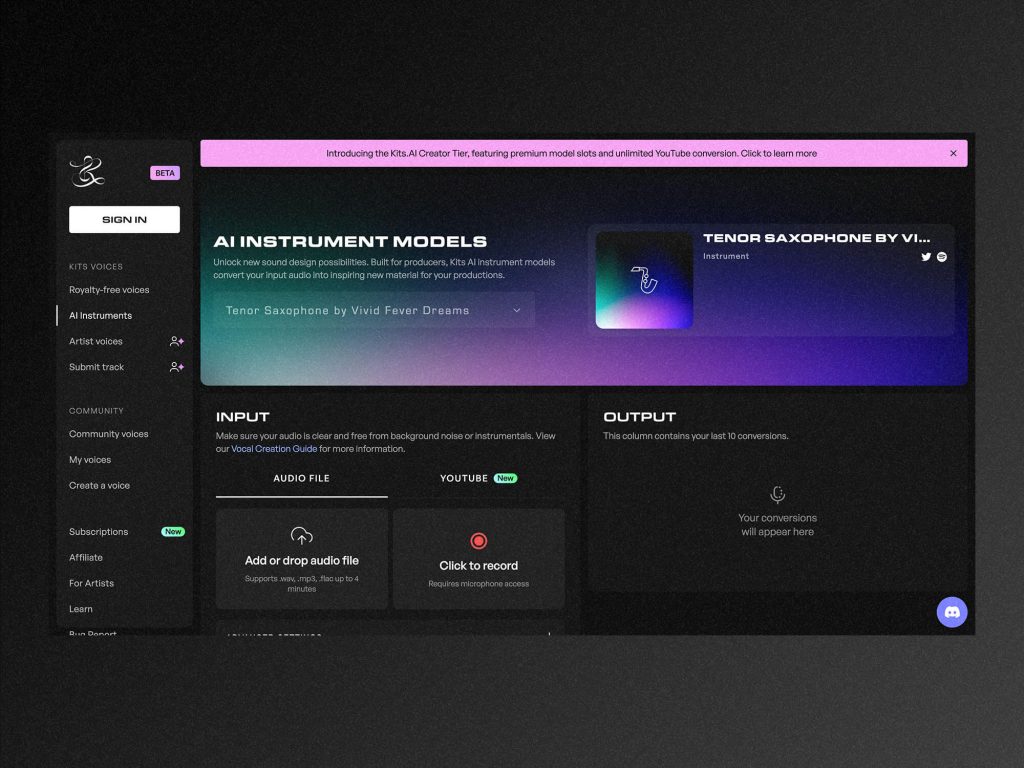
- AI-driven Tools: Solutions like Amper Music and AIVA assist in composing music, enabling even novice musicians to produce professional-quality tracks. These platforms leverage machine learning algorithms to analyze existing music and generate new compositions. This aspect of technology can be particularly appealing to those with less traditional training, as it allows them to explore their musical ideas without the daunting barrier of complex theory.
These advancements have not only streamlined the creation process but also expanded the possibilities for collaboration. Artists can now connect globally, sharing ideas, resources, and even entire projects with instant accessibility. For example, platforms like Splice allow musicians to share samples and collaborate remotely, irrespective of geographical boundaries. This new era of music creation blurs traditional boundaries, prompting deeper questions about the future of the industry.
As we explore the intersection of music and technology, it’s essential to understand how these tools are not just enhancing creativity but also transforming the very definition of a musician. The role of the artist has evolved from a solitary creator to more of a curator and collaborator, often relying on technology to enhance their expressions. This shift invites us to consider what it means to be a musician in the age of digital tools, prompting discussions about originality, authenticity, and the essence of artistry itself.
In pondering these developments, we find ourselves in a fascinating world where sound meets software. The impact of technology on music creation reveals not just a trend but a cultural movement that will shape the future of artistic expression for generations to come. As music enthusiasts and creators alike navigate this landscape, it is essential to remain curious and open to the endless possibilities that lie ahead.
DISCOVER MORE: Click here to learn about the impact of performing arts on social awareness
Transforming the Music Creation Process
The infusion of technology into the music creation process is profoundly altering how artists conceptualize and produce their work. With a myriad of applications and software at their disposal, musicians can now engage in every aspect of creation, from songwriting to mastering, all within a digital ecosystem. This transformation is not merely about using new tools; it marks a shift in creativity, accessibility, and the relationship between the artist and the audience.
The Rise of Collaborative Platforms
Collaboration has long been an integral part of music, but technology has vastly expanded its scope and reach. Gone are the days when artists needed to gather in a recording studio to share ideas; now, they can connect with musicians from around the globe in real-time. Services like Soundtrap and JamKazam enable live jamming sessions over the internet, allowing artists to create together regardless of physical distance. Such platforms not only facilitate artistic synergy but also foster a sense of community among creators, breaking down the creative silos that once prevailed in the music industry.
Accessibility for All
The barrier to entry in music production is significantly lowered thanks to a surge in user-friendly software and apps. Musicians no longer need formal training or expensive equipment to bring their ideas to life. Tools like FL Studio Mobile and BandLab provide intuitive interfaces that allow users to experiment with sound design and composition at their own pace. This democratization of music creation opens the doors for a diverse range of voices and styles, enriching the overall musical landscape.
- Online Courses and Tutorials: Platforms such as Berklee Online and Udemy offer comprehensive courses on music production, making it easier for aspiring musicians to learn the trade from the comfort of their homes.
- Online Communities: Forums like Reddit and dedicated Facebook groups provide support and feedback for creators, allowing them to share experiences and resources with like-minded individuals.
- Cloud Storage and Sharing: Services like Google Drive and Dropbox allow musicians to save and share their projects effortlessly, making collaboration and revision more efficient than ever.
As musicians continue to embrace these digital tools, we witness a revitalization of the creative process. Artists are blending genres, incorporating nontraditional sounds, and pushing the boundaries of what music can be. This era of music creation is characterized by adaptability; artists are challenged to remain open to technological advancements while forging unique paths in their artistic journeys.
The intersection of music and technology is not just an evolution; it is a revolution, redefining traditional paradigms and creating endless opportunities for innovation. As we delve deeper into these transformative changes, it is crucial to appreciate how technology is shaping not only the craft of music-making but also the very essence of what it means to be a musician today.
As we delve deeper into the intersection of music and technology, one significant aspect is the democratization of music creation. Access to advanced software and applications has drastically lowered the barriers to entry for aspiring musicians. Tools that were once only available in professional studios are now at the fingertips of anyone with a smartphone or computer. This shift has empowered creators around the globe to experiment with sound, collaborate with others, and produce music without the need for expensive equipment or formal training.Cloud-based platforms have taken this transformation a step further, enabling seamless collaboration among musicians in real-time, regardless of their geographical locations. Through apps and software, artists can share their work instantly, receive feedback, and make adjustments collaboratively. This interconnectedness not only enhances creativity but also enriches the music itself, leading to innovative genres and styles that reflect diverse influences.Additionally, music technology is fueling the rise of artificial intelligence in music creation. AI-powered tools can assist in composing, suggesting melodies, or even mastering tracks, allowing musicians to focus more on their artistic vision while enhancing productivity. By analyzing vast amounts of data, these tools can identify trends and help artists align their work with listener preferences.Furthermore, the emergence of virtual reality (VR) and augmented reality (AR) in music experiences is another frontier. Musicians can create immersive performances that engage audiences in ways that were previously unimaginable. This technology not only alters how music is experienced but also how it is created—blurring the lines between the artist and the audience, expanding the realm of possibilities in live performances.As these technologies continue to evolve, we will likely see even more groundbreaking approaches to music creation, allowing artists to push boundaries, redefine genres, and connect with fans in unprecedented ways. This intersection of music and technology is not just transforming how music is made; it is changing the entire landscape of the music industry itself.
DISCOVER MORE: Click here to find out how different genres can spark your creativity
Empowering Creators with Advanced Tools
As technology evolves, so too do the tools available for music creation. Today, software and applications offer functionalities that were once the domain of large studios, empowering individual artists and small collectives to produce high-quality music with limited budgets. Programs such as Ableton Live and GarageBand have become standards for aspiring musicians, providing an array of features that simplify complex tasks like waveform editing, instrument synthesis, and audio mixing.
The Role of Artificial Intelligence
One of the most exciting developments in music technology is the integration of artificial intelligence (AI). AI-driven platforms such as AIVA and OpenAI’s MuseNet are revolutionizing the creative landscape by generating original compositions that range from classical to contemporary genres. These tools analyze existing music data to produce new pieces, offering musicians fresh perspectives and inspiration. Artists can use AI not only as a collaborator but also as an idea generator, fueling creativity by suggesting song structures, harmonic progressions, and even lyrics.
Furthermore, AI can facilitate the music-making process by automating repetitive tasks. For example, LANDR employs AI to provide automated mixing and mastering services, allowing creators to focus more on the artistic aspects of their work rather than the technical minutiae. This shift not only saves time but enhances the overall quality of the final output.
The Evolution of Distribution and Monetization
The intersection of music and technology extends beyond creation to include distribution and monetization. Platforms like Spotify and Apple Music have transformed how music reaches audiences, enabling artists to upload their work easily and gain traction without traditional record labels. This democratization of distribution empowers independent artists to retain more control over their careers, reaching listeners directly through social media and streaming services. The rise of Bandcamp highlights this shift, allowing artists to sell their music while setting their prices, fostering a stronger connection with their fanbase.
Moreover, apps like Patreon and Ko-fi enable fans to support their favorite creators through subscription models or one-time donations. This funding mechanism offers musicians a sustainable revenue stream while encouraging fan engagement. Artists can provide exclusive content, behind-the-scenes access, and personal interactions to create a community of loyal listeners.
Adapting to Changing Audiences
The ever-changing music landscape requires artists to adapt continuously. Technology now shapes not only the music itself but also how it is consumed, leading to innovative approaches in performance and fan interaction. With live-streaming platforms such as Twitch and YouTube Live, musicians can provide virtual concerts, reaching a global audience without stepping on stage. This has become particularly crucial in recent times, allowing artists to perform despite the restrictions posed by the pandemic.
Additionally, the integration of augmented reality (AR) and virtual reality (VR) is beginning to enter the music scene, further blurring the lines between performance and technology. Imagine attending a VR concert where you can experience the event from your living room, surrounded by an immersive environment designed to elevate the musical experience. Applications employing these technologies are still in their infancy, but their potential for transforming the audience experience is undeniable.
As creators expand their skill sets to embrace these advancements, we are witnessing the dawn of an era in music creation where technology and artist expression are intertwined, leading to innovative sounds and groundbreaking approaches to sharing music with the world.
DISCOVER MORE: Click here to delve deeper
Embracing the Future of Music Creation
The ongoing evolution at the intersection of music and technology marks a transformative period in how artists create, distribute, and connect with their audiences. With software tools and applications revolutionizing the music-making process, independent creators can now leverage powerful features that were once exclusive to high-budget studios. This democratization fosters diverse sounds and innovative compositions, leading to a vibrant music landscape filled with fresh talent.
Moreover, the integration of artificial intelligence is reshaping the creative process, providing artists with unprecedented collaboration opportunities that enhance their creativity. As these technologies continue to advance, they will play a pivotal role in refining the music creation experience, helping artists streamline their workflows and focus on their core artistic vision.
The changing dynamics of music distribution and monetization also empower musicians to build direct relationships with their fanbases, promoting a more sustainable and engaged community. By leveraging platforms like Bandcamp or subscription models through Patreon, artists take control of their careers while enriching their connections with listeners.
As we look to the future, the incorporation of emerging technologies such as virtual reality and augmented reality promises to further enhance the audience experience, creating immersive environments that redefine live performances. In a world where technology continues to shape music’s landscape, the synergistic relationship between creators and tools is bound to evolve in exciting ways.
In summary, the intersection of music and technology invites us to explore new creative horizons. It encourages both artists and listeners to embrace this dynamic shift, ensuring that the future of music creation is not only innovative but also accessible and engaging for all.