The influence of pop culture on contemporary writing: how movies and series shape literary narratives
The Evolution of Modern Storytelling
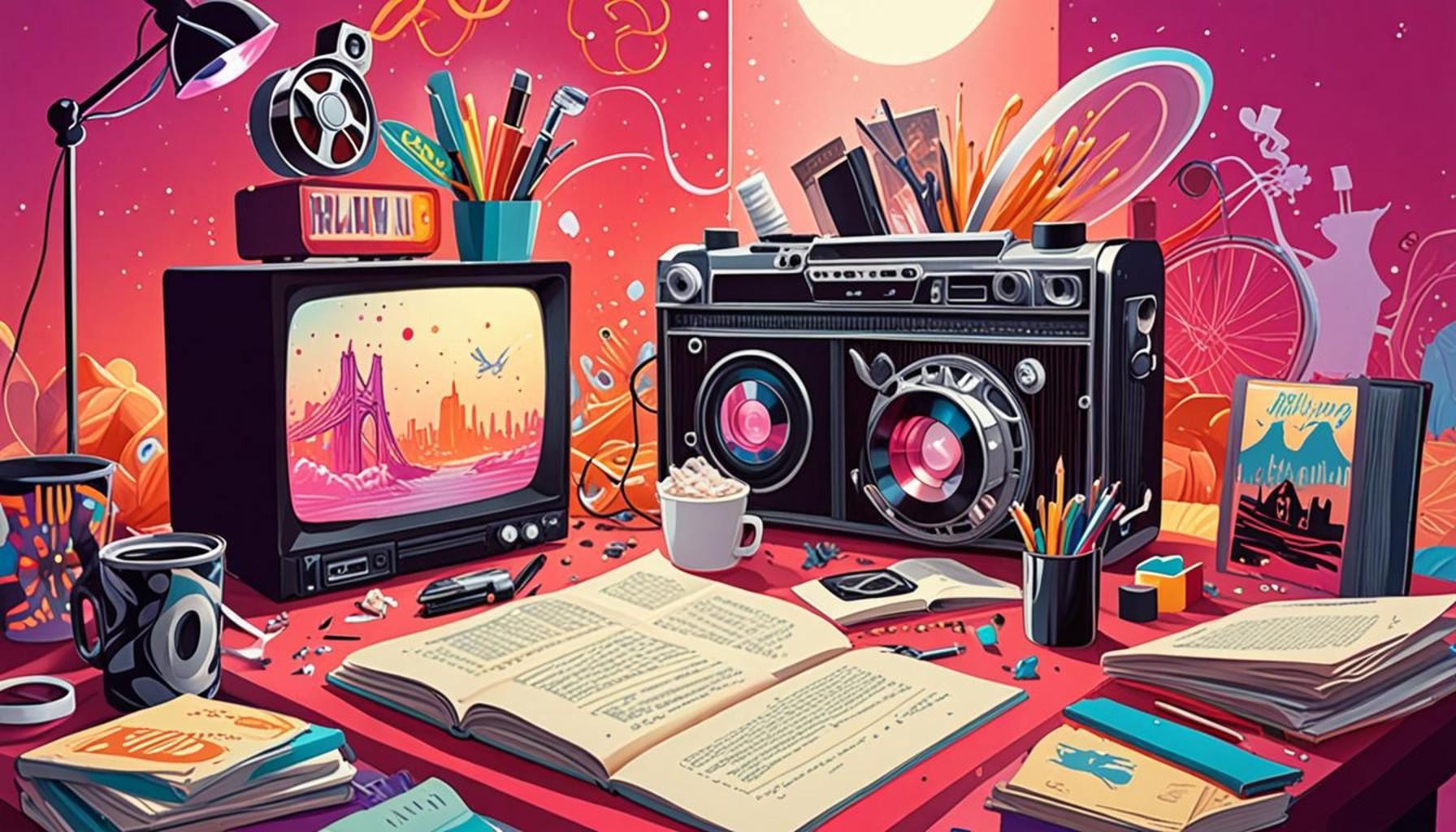
Pop culture has woven itself intricately into the fabric of contemporary storytelling, influencing everything from novels to short stories. This relationship has burgeoned particularly in the last few decades, as media consumption has accelerated with the advent of streaming platforms and social media. As movies and television shows dominate the cultural landscape, they significantly impact the literature that emerges alongside them.
One of the most notable transformations is the rise of visual storytelling. Authors increasingly adopt cinematic techniques, creating vivid scenes that are rich in imagery and sensory details. For instance, the popular young adult series “The Hunger Games” employs dramatic and visually arresting descriptions akin to those found in film scripts. The fast-paced narrative style and vivid world-building draw readers into a cinematic experience, making the transition from page to screen seamless.
Another critical influence is the development of character arcs. Today’s protagonists are often multifaceted and deeply relatable, reflecting the complexities of modern life that are commonly explored in popular media. Characters in novels like “Eleanor Oliphant Is Completely Fine” showcase flaws and vulnerabilities that resonate with audiences—similar to the nuanced character portrayals in acclaimed television dramas such as “Breaking Bad” or “The Crown.” This evolution encourages readers to connect with characters on a personal level, reflecting their own journeys of growth and change.
Moreover, the use of plot devices such as cliffhangers and non-linear narratives has gained traction in literary works. Authors often mimic the suspenseful twists and-turns of binge-worthy shows, keeping their readers engaged and eager for the next chapter. This structure can be seen in novels like “The Seven Husbands of Evelyn Hugo,” where shifting timelines and cliffhangers maintain the reader’s interest, mirroring the hooks used in popular television episodes.
As contemporary literature increasingly draws from the shared emotions and experiences depicted in films and television series, it mirrors the changing societal values and interests reflective of our times. Issues like diversity, mental health, and socio-political dynamics are now prevalent themes that resonate with audiences, showcasing the dialogues between literature and pop culture.
In conclusion, as we delve deeper into the intersection of pop culture and writing, it becomes evident that blockbuster hits and binge-worthy shows are not merely sources of entertainment; they are reshaping the very essence of storytelling. Through visual techniques, complex character depictions, and innovative plot devices, today’s authors craft narratives that capture the zeitgeist, offering readers not just stories, but a mirror reflecting their world.
DISCOVER MORE: Click here to unlock your creative potential
Cinematic Techniques in Modern Literature
The infusion of cinematic techniques into contemporary writing is a pivotal marker of the influence that pop culture has on literature. As readers are increasingly exposed to rich visual media, authors have responded by adapting their storytelling methods to resonate with familiar viewing experiences. This convergence is not merely stylistic; it fundamentally alters how narratives are constructed and consumed.
Many writers now strive to create a visual tapestry within their prose, transforming their narratives to mimic the powerful visuals found on screen. Descriptive language is utilized not just to paint a scene but to elicit emotional responses comparable to those experienced when watching a film. Consider novels like “The Night Circus,” where the imagery is so vivid that readers can almost visualize the enchanting scenarios unfolding before them. This blending of literature and visual storytelling serves to enhance immersion, allowing readers to live within the story rather than simply read it.
The Rise of Binge-Worthy Narratives
In a culture increasingly driven by binge-watching behaviors, the structure of literary works has also shifted. Many authors are now adopting styles reminiscent of popular television series to keep readers engaged through serialized storytelling. This format encourages readers to eagerly anticipate each new book or chapter’s release, mirroring the cliffhanger tactics used in beloved shows like “Stranger Things” and “Game of Thrones.” Some key elements of this trend include:
- Serialization: Authors release books in a series format, allowing for longer character development and intricate plot lines, akin to seasons of a show.
- Character Development: Just as series often explore characters over multiple episodes, literary narratives now delve deeper into characters’ backstories and growth over time.
- High Stakes: Like gripping TV dramas, literary works increasingly feature life-or-death stakes, amplifying tension and keeping readers on the edge of their seats.
The blending of these storytelling techniques not only serves to attract traditionally visual-focused audiences to the written word but also allows authors to experiment with form and content in ways previously unimagined. The fast pace of new digital media leads to a need for literature that can compete for attention, pushing writers to innovate their narratives continually.
This dynamic relationship between literature and pop culture reveals deeper societal shifts as well. Readers are now drawn to themes that reflect contemporary life, exploring concepts of identity, mental health, and cultural diversity much like their cinematic counterparts. Notably, successful novels like “The Hate U Give” tackle relevant issues such as systemic racism and social justice, paralleling the critical dialogues presented in modern television and film.
As we unpack the intricate tapestry of how cinema and television shape literary narratives, it becomes clear that this partnership goes beyond mere aesthetic. It invites exploration into how our stories are not only being told but how they serve as cultural reflections, addressing the world that shapes both readers and writers alike. The landscape of contemporary writing is vibrant and dynamic, where the influence of pop culture is undeniable and continuously evolving.
The Impact of Visual Storytelling on Literary Trends
As the lines between movies, series, and literature become increasingly blurred, contemporary writers are finding themselves drawing inspiration from the dynamic narratives showcased in pop culture. The influence of visual storytelling is reshaping not only how stories are told but also the themes and structures that dominate literary narratives today.One remarkable aspect of this influence is the use of non-linear storytelling. Movies like “Pulp Fiction” and series such as “Westworld” have popularized fragmented narratives that allow for unique storytelling techniques, challenging readers to engage with the text differently. Writers are now adopting similar techniques, crafting novels and stories that jump through timelines, perspectives, or realities, enriching the reader’s experience.Moreover, the representation of diverse cultures and identities in pop culture media has encouraged literature to explore these themes more deeply. Shows like “Pose” or movies like “Black Panther” highlight histories and narratives often omitted from mainstream discourse. Authors are tapping into this trend, making room for characters and plots that reflect the complexities of identity, inclusion, and cultural heritage, thus broadening the scope of contemporary literature.Additionally, today’s literature is increasingly becoming intertextual, referencing and drawing from popular films and series. This blending allows a richer reading experience, as audiences familiarize themselves with cultural touchpoints that resonate across mediums. The shared universe concept, prevalent in franchises like the Marvel Cinematic Universe, has inspired writers to create interconnected stories, helping readers feel a sense of continuity not only within a single text but across an entire body of work.In this evolving landscape, the dialogue between films, series, and literary narratives presents an exciting opportunity for exploration. The growing trend of adaptations—from novels turned into films, to film-inspired literature—demonstrates how intertwined these forms of storytelling have become. Writers and filmmakers alike benefit from understanding how their craft influences and shapes audience expectations, leading to a richer cultural tapestry that allows for diverse voices to be heard.In this context, the following table outlines significant advantages of this pop culture-literature interconnectedness:
| Category 1 | Category 2 |
|---|---|
| Innovation in Storytelling | Emergence of new narrative structures that captivate and challenge readers. |
| Diversity and Representation | Increased exploration of varied cultural narratives in written works. |
The impact of pop culture on contemporary writing is an ever-evolving story, one that invites readers and writers alike to participate and engage in new ways. Exploring this dynamic relationship can reveal much about societal values, aspirations, and the future of storytelling.
EXPLORE MORE: Click here to discover how diverse genres can fuel your creative writing
Intertextuality: The Dialogue Between Literature and Screen
Another transformative aspect of the influence of pop culture on contemporary writing is the phenomenon of intertextuality. This concept refers to the ways in which texts refer to, echo, or borrow from one another, creating a complex network of connections between literature and screen narratives. In today’s literary landscape, authors frequently weave references and parallels to popular films and series into their works, acknowledging the omnipresent cultural touchstones that shape collective consciousness.
For instance, the rise of young adult (YA) literature has birthed a plethora of novels that draw direct inspiration from film and television tropes, incorporating themes of adventure, dystopia, and romance that mirror the appetites of cinephiles. Works like “Ready Player One” not only pay homage to the pop culture of the 1980s and 1990s but also invite readers to navigate a world where video games and film are intermingled, blending literature seamlessly with the aesthetics of cinema.
The Gravitational Pull of Fandom
The role of fandom in shaping contemporary writing cannot be understated. As movies and series gain massive followings, fans often seek out literature that expands on these universes or complements the narratives they cherish. This desire for deeper engagement leads to a flourishing market for novels inspired by popular franchises. Titles such as “Star Wars: Thrawn” and “The Witcher” series exemplify how authors are tapping into established fandoms to create literary equivalents of the expansive world-building for which these franchises are known.
- Fan Fiction: The explosion of online fan fiction has redefined the relationship between creators and their audiences, allowing amateur writers to explore alternative storylines and character developments that may not exist in the original texts. These narratives often reflect intricate understandings of character psychology and plot intricacies drawn from the source material.
- Spin-offs and Adaptations: Literary spin-offs of popular television shows, such as “Game of Thrones” and “The Office,” provide audiences with unique interpretations and expansions of beloved stories, drawing on the popularity and established lore of the original productions.
- Collaboration with Screenwriters: More authors are collaborating with screenwriters in hopes of creating symbiotic relationships that both direct literary narratives toward screen adaptations and enhance literary depth by incorporating techniques from scriptwriting.
This interplay generates a continual evolution of narrative possibilities and fosters a culture where stories are seen as intricate, multifaceted entities. As writers engage with the expectations built from visual media, they not only cater to existing audiences but also push the boundaries of what stories can encapsulate within the literary realm. It is common now for novels to adopt a multimedia approach, incorporating social media elements, excerpts from scripts, or even illustrations that mirror cinematic frames.
Moreover, this cultural synergy emphasizes the importance of diversity in storytelling. Contemporary literature has increasingly been evolving to reflect the series and films that discuss a variety of voices and experiences. For example, novels that tackle issues such as gender identity and intersectionality are becoming more prominent, resonating with audiences that have seen similar narratives explored in various TV series. Literature, thus, serves as a conduit for the urgent themes that resonate within popular culture, revealing the evolving nature of societal interests.
This rich tapestry of interconnection between literature and screen media reflects the continual negotiation of narrative forms, demonstrating how pop culture not only entertains but also informs and enriches the literary landscape. Through the embrace of cinematic techniques, themes, and character developments inspired by popular series and films, contemporary authors are reimagining storytelling in ways that captivate readers, echoing the ever-changing dynamics of cultural consumption.
DIVE DEEPER: Click here to discover more
Conclusion: The Cultural Symphony of Literature and Screen
In summary, the influence of pop culture on contemporary writing is an intricate dance, where novels often echo the visual storytelling of movies and series while simultaneously crafting their own unique narratives. This synergy not only broadens the horizons of literary expression but also speaks to the shared cultural experiences of audiences today. The rise of intertextuality and fandom demonstrates how stories can transcend mediums, enabling readers and viewers alike to immerse themselves in rich, interconnected universes.
As authors draw inspiration from popular films and television, they redefine what literature can convey, embracing themes and narrative styles that correspond with the evolving tastes of their readership. From fan fiction that provides alternative story arcs to spin-offs that explore beloved characters in depth, the literary landscape continues to flourish, resulting in a vibrant ecosystem of storytelling. The integration of multimedia elements indicates the future of literature, suggesting that books are no longer confined to the printed page but can encompass various forms of artistic expression.
Moreover, contemporary authors are increasingly aware of the need for diversity in storytelling, mirroring the expanding representation seen in films and series. This evolution not only mirrors societal changes but also invites readers into discussions surrounding identity, culture, and experience. As such, literature continues to serve as a mirror reflecting the pulse of popular culture, making it an essential component of modern narratives.
Ultimately, the interplay between pop culture and literature illustrates how storytelling can adapt and thrive in a rapidly changing world. By embracing the cinematic techniques and cultural themes born from screen narratives, writers not only honor their influences but also pave the way for innovative storytelling that resonates with an audience craving connection and depth.