The Influence of Music on Mental Health: How Playing Instruments Can Help Reduce Stress
Unlocking the Benefits of Music on Well-Being
In today’s fast-paced world, stress is an ever-present challenge impacting mental health. As individuals seek effective coping mechanisms, music emerges as a powerful ally. Research shows that playing instruments can be particularly beneficial in alleviating stress and enhancing emotional well-being.
The Therapeutic Power of Music
Engaging with music offers numerous advantages, including:
- Emotional Expression: Music allows individuals to convey feelings that may be hard to articulate. For instance, a person going through grief may find solace in playing a melancholic tune that encapsulates their emotions, providing a sense of relief and understanding.
- Mindfulness and Focus: Playing an instrument demands concentration, leading to a meditative state. This focus can help individuals distance themselves from everyday worries. For example, a child learning the piano must concentrate on reading notes and coordinating their fingers, thereby diverting attention from stressors.
- Social Connection: Group music activities foster a sense of community and belonging. Whether through school band programs or community orchestras, collaborative music-making creates bonds between participants, enriching social networks and providing support. In towns across the U.S., local music festivals often bring diverse groups together, celebrating shared musical interests.
In the United States, initiatives integrating music therapy into mental health practices highlight the growing recognition of these benefits. For example, organizations like the American Music Therapy Association work to implement music therapy programs in various settings, including hospitals, schools, and rehabilitation centers. Such efforts not only promote emotional healing but also encourage the exploration of musical talents.
Discovering New Dimensions of Well-Being
This article will delve into the scientific evidence supporting the link between music and mental health. Numerous studies reveal that listening to or playing music can lead to physiological changes in the brain, such as the release of dopamine, often referred to as the ‘feel-good’ neurotransmitter. Understanding how playing instruments serves as a stress-relief tool paves the way for enriched lives and improved mental well-being.
Moreover, the rise of accessible technologies has made music more reachable than ever. With apps and online tutorials, individuals can learn to play instruments from the comfort of their homes, further removing barriers to musical engagement. As more people discover these benefits, the conversation around music as a legitimate form of therapy continues to grow, paving the way for innovative practices in mental health care across the country.
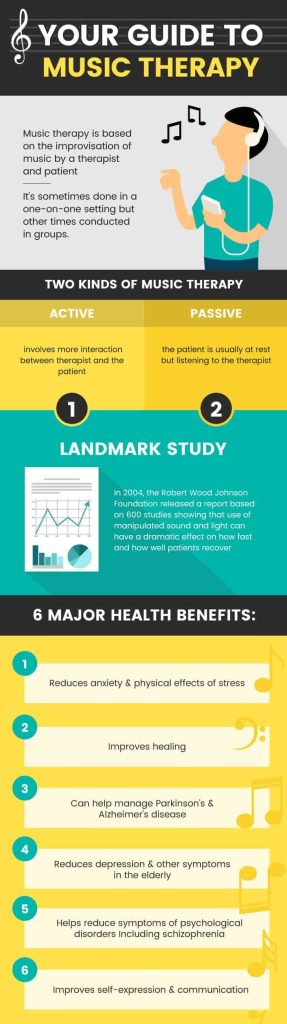
In conclusion, the multifaceted benefits of music underscore its vital role in enhancing well-being. By diving deeper into the power of music, one can uncover tools for emotional expression, creativity, and connection, making it an indispensable aspect of a healthier, happier life.
DISCOVER MORE: Click here to learn about the impact of performing arts on early childhood education</
The Psychological Benefits of Playing Instruments
Delving into the world of music reveals a rich tapestry of psychological benefits, particularly when it comes to playing instruments. The act of creating music is not just an art form; it contributes to mental health improvement in significant ways. Research indicates that participation in musical activities can lead to reductions in anxiety, depression, and stress levels, highlighting the profound influence of music on our emotional states. Here are some compelling reasons why playing instruments can be a vital tool for managing mental health:
- Enhanced Mood Regulation: Playing an instrument has been shown to stimulate the release of endorphins, the body’s natural stress relievers. This biochemical reaction fosters an uplifted mood and serves as an effective countermeasure against feelings of sadness or distress. For instance, a study by the University of Melbourne found that musicians often experience higher overall well-being compared to non-musicians.
- Development of Discipline and Patience: Learning an instrument requires dedication and practice. This process builds resilience and encourages patience, skills that can be beneficial in managing life’s challenges. As individuals progress, they often find a sense of accomplishment that contributes positively to their self-esteem.
- Cognitive Function Boost: Engaging with music challenges the brain in unique ways, promoting skills such as memory retention, spatial-temporal skills, and even problem-solving abilities. This cognitive engagement stems from the need to read music, coordinate movements, and express emotions all at once, ultimately enhancing overall brain function.
- Stress Relief Through Creative Outlet: Music serves as a powerful outlet for creativity, which can mitigate stress. When individuals divert their focus from daily pressures to imagine melodies or rhythms, they’re effectively giving their minds a much-needed break. Whether it’s strumming a guitar or tapping away on a keyboard, immersing oneself in creating music can act as a therapeutic escape.
Moreover, engaging in musical practices has implications beyond the individual. It can foster community ties and promote a sense of belonging. For many, joining a band or ensemble is not just about making music—it’s about connecting with like-minded individuals, sharing experiences, and enhancing one’s social life. In communities across the United States, music programs in schools and community centers facilitate such connections, allowing people to come together through their shared passion for music.
The rise of technology further supports these connections. With the advent of online platforms and music education apps, learning to play an instrument is more accessible than ever. These resources bridge gaps in access and provide individuals, regardless of age or background, the opportunity to explore their musical potential. As participation in music continues to grow, ongoing research increasingly supports its role in promoting mental health.
In summary, the positive psychological impacts of playing instruments extend far beyond mere entertainment. They encompass practical benefits for mental health, including mood enhancement, stress relief, and cognitive growth. As we continue to uncover the intricate relationship between music and mental well-being, it becomes increasingly evident that engaging with music, particularly through playing instruments, is not only beneficial but essential for a well-rounded life.
| Category | Details |
|---|---|
| Emotional Release | Playing an instrument facilitates an emotional outlet, helping individuals express feelings that may be difficult to articulate. |
| Focus and Mindfulness | Engaging with music requires concentration — a perfect way to practice mindfulness, steering thoughts away from stressors. |
| Community and Connection | Joining music groups or ensembles can foster a sense of belonging and support, alleviating feelings of isolation. |
| Cognitive Benefits | Learning an instrument enhances cognitive functions, such as memory and problem-solving skills, redirecting focus from stress. |
The act of playing instruments profoundly impacts mental well-being, acting as a balm for stress. Each note struck can resonate with the brain’s emotional center, offering profound solace in turbulent times. Instruments like the guitar, piano, or even percussion can evolve into essential tools for a healthier lifestyle, offering both therapeutic benefits and joy. Engaging in music fosters a rich tapestry of connections, both within oneself and with others, creating a community of shared experiences. Each practice session can serve as a moment to reset the mind, transforming anxiety into creative expression, ensuring that everyone from beginners to seasoned musicians can find their rhythm in reducing stress. The integration of music into everyday routines is a powerful reminder of the ongoing dialogue between melody and mental health.
DISCOVER MORE: Click here to dive deeper
The Social and Emotional Dimensions of Music Making
While the psychological benefits of playing instruments are compelling, the social and emotional dimensions of music making also contribute significantly to mental health. Music is inherently social; it has the power to bridge gaps between individuals and foster connections that can be transformative for emotional well-being.
- Building Community: Participating in group music experiences, such as bands, orchestras, or choir, not only enhances individual skills but also fosters a sense of belonging. In the United States, community music programs often thrive in local neighborhoods, allowing people of all ages and backgrounds to unite around a shared love of music. These communal experiences provide emotional support, reduce feelings of isolation, and can even lead to lasting friendships, creating a network of support that is vital for mental health.
- Emotional Expression: Music serves as a powerful channel for emotional expression. Playing an instrument allows individuals to articulate complex emotions that may be difficult to communicate verbally. Many musicians find solace in the process of translating their feelings into melodies or rhythms, thus releasing pent-up emotions in a constructive way. According to a study published in the journal *Psychology of Music*, musicians often report using their instrument as a medium for expressing their struggles, effectively turning their frustrations into art.
- Therapeutic Applications: The therapeutic potential of music is increasingly recognized within clinical settings. Music therapy, which often includes playing instruments, provides structured opportunities for emotional exploration and healing. Clinicians have documented improved outcomes for individuals dealing with anxiety, PTSD, and depression through music therapy interventions. Notably, many veterans’ organizations have begun incorporating music programs as part of their mental health rehabilitation efforts, highlighting the benefits of tuning into one’s emotions through guided music-making.
- Boosting Emotional Intelligence: Playing an instrument can also enhance emotional intelligence, the ability to understand and manage one’s emotional landscape as well as empathize with others. Musicians often develop a heightened sensitivity to the nuances of musical expression, which can translate to improved social interactions. Research from the University of California shows that musicians score higher on emotional intelligence tests compared to non-musicians, suggesting that the skills honed through music-making are transferable to interpersonal relationships.
Moreover, the accessibility of digital tools has ushered in a new era of music collaboration. Online platforms like SoundCloud and BandLab allow musicians to connect, create, and share their work regardless of geographic limitations. This has not only expanded the reach of musicianship but has also enabled vulnerable communities to find solace and strength in shared musical experiences. For many individuals, creating and sharing music online has emerged as an effective way to cope with stress, allowing them to express their unique perspectives and connect with others who resonate with their journeys.
This interconnectedness emphasizes that music is not merely a solitary pursuit; it is a tapestry woven from the experiences of many. Harnessing the collective emotional outpouring of individuals through group music-making efforts can generate healing effects on a larger scale, illustrating the profound impact that music can have on mental health and well-being.
DISCOVER MORE: Click here to learn about its impact
Conclusion: The Transformative Power of Music on Mental Health
As we have explored, the influence of music on mental health—especially through playing instruments—extends far beyond mere entertainment. Engaging in music-making not only provides a therapeutic outlet for emotional expression but also fosters deep social connections and community support that are essential for overall well-being. With statistics revealing that over 60% of musicians use music as a tool for coping with stress, it’s evident that this art form serves as a critical resource for emotional health.
Furthermore, the role of music in improving emotional intelligence cannot be overlooked. By honing the ability to navigate one’s own feelings and empathize with others, musicians enhance their interpersonal relationships, which are crucial for a fulfilling life. This interconnectedness among musicians, intensified by digital platforms that facilitate collaboration, allows individuals to share their experiences, affirming the notion that music is a communal endeavor capable of amplifying its healing effects.
As we consider the growing recognition of music therapy in clinical settings, it becomes clear that there is immense potential for integrating musical practices into mental health treatment. Whether through structured therapy sessions or informal gatherings, musicians and non-musicians alike can discover pathways to healing and connection through this powerful medium.
In summary, embracing music not only has the capacity to reduce stress but also to cultivate resilience and joy, making it a vital ally in the quest for better mental health. As research continues to unveil the complexities of music’s impact, individuals are encouraged to pick up an instrument, join a local music group, or explore music creation as a sure way to enhance their emotional landscape. The invitation to explore this harmonious journey is open, and the benefits it brings are profound and life-changing.