The Evolution of Musical Hobbies: From Singing in the Shower to Forming Local Bands
The Power of Musical Expression in Everyday Life
Music has played a pivotal role in human society across generations. It serves as a powerful medium of expression, allowing individuals to convey emotions, experiences, and stories that words alone may not capture. From the casual act of screaming your lungs out in the shower to the more structured experience of forming local bands, the ways in which we engage with music reflect personal creativity and broader cultural movements.
Exploring the various hobbies associated with music reveals a diverse landscape of engagement:
- Singing in the Shower: This seemingly simple activity carries with it a surprising depth of psychological benefit. It can elevate mood, promote relaxation, and reduce stress, acting as a form of self-therapy for many. The ceramic acoustics of a bathroom turn the mundane into something magical, making singers feel like they are performing in an arena.
- Playing Instruments: In the United States, the allure of instruments is profound. From the twang of a country guitar to the rhythm of a jazz saxophone, instruments offer a tactile channel for expressing creativity. Educational resources, both online and offline, have made it easier than ever for aspiring musicians to learn how to play, often leading to lifelong passions.
- Home Recording: Technological advances have democratized music production. With software like GarageBand and Pro Tools now accessible to a general audience, anyone can experiment with creating their own tracks. Many amateur musicians share their work on platforms like SoundCloud and Bandcamp, building a fanbase from their living rooms while using social media to promote their endeavors.
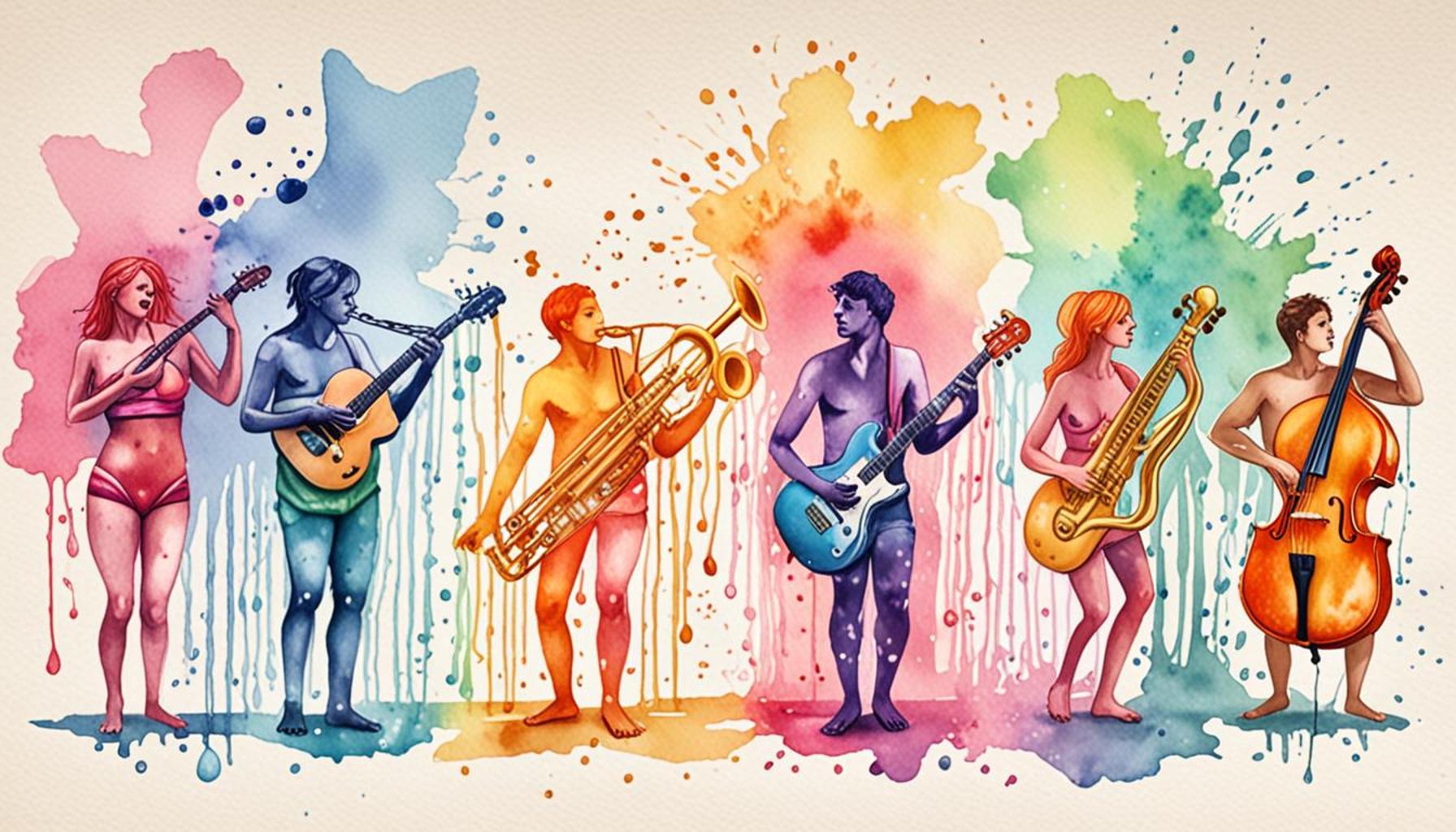
- Joining Local Bands: The experience of collaboration not only cultivates musical talent but also fosters community connections. Local music scenes often provide support networks that encourage creativity and collaboration, leading to memorable performances at bars, festivals, and community events. These interactions contribute to a vibrant cultural tapestry that is both unique and representative of local influences.
The evolution of musical hobbies illustrates an intriguing interplay between individual talent and community support. In today’s digital age, where streaming services have largely replaced traditional listening methods, musicians often navigate the complexities of sharing their art online, turning social media into a stage for global audiences.
As we look to the future, the significance of these musical expressions becomes more pronounced. The ongoing relationship between technology and creativity is likely to evolve further, shaping how future generations discover and engage with their musical passions. This rich interaction between personal expression and community engagement sets the stage for an exciting era in the world of music.
DIVE DEEPER: Click here to discover practical journaling tips
From Private Concerts to Public Stages
As we dive deeper into the world of musical hobbies, it becomes evident how personal preferences can influence social dynamics. One of the most intimate forms of musical expression, screaming your lungs out in the shower, not only serves as a creative outlet but also reflects a significant aspect of American culture. It transforms a private moment into a personal performance, showcasing how music can elevate the mundane routines of life into something profoundly joyful. Notably, studies have indicated that engaging in such solitary singing experiences can release endorphins and diminish feelings of anxiety, allowing individuals to embrace their creativity without the fear of judgment.
This segment of the musical journey usually acts as a stepping-stone into more complex forms of expression. The next logical step for many is playing instruments. The U.S. has a rich tradition of instrumentation; consider the iconic Gibson guitar or the smooth tones of a Coltrane saxophone. The availability of tutorials, both in-person and online, has demystified the learning process. Platforms such as YouTube offer tutorials for every skill level, leading to a surge in DIY musicianship. In fact, according to a recent survey from the National Endowment for the Arts, nearly one in five Americans plays an instrument, showcasing the widespread appeal of this hobby. The tactile experience of strumming strings or blowing into reeds allows enthusiasts to tap into their creative reservoirs in a hands-on manner, fostering a connection that is deeply personal yet universally shared.
As budding musicians gain confidence through solo practice, many seek to take their passion to the next level, exploring home recording technologies. With affordable software like GarageBand and Ableton, creating and producing music has stepped beyond the confines of professional studios. This democratization has empowered countless aspiring musicians to experiment and share their creations with the world. The rise of platforms like SoundCloud and Bandcamp has given artists, regardless of background, a space to showcase their work, leading to vast ecosystems of independent music. Interestingly, a recent report highlighted that nearly 60% of independent musicians use social media not just for promotion, but for building connections within the music community, further illustrating how technology shapes the evolution of musical hobbies.
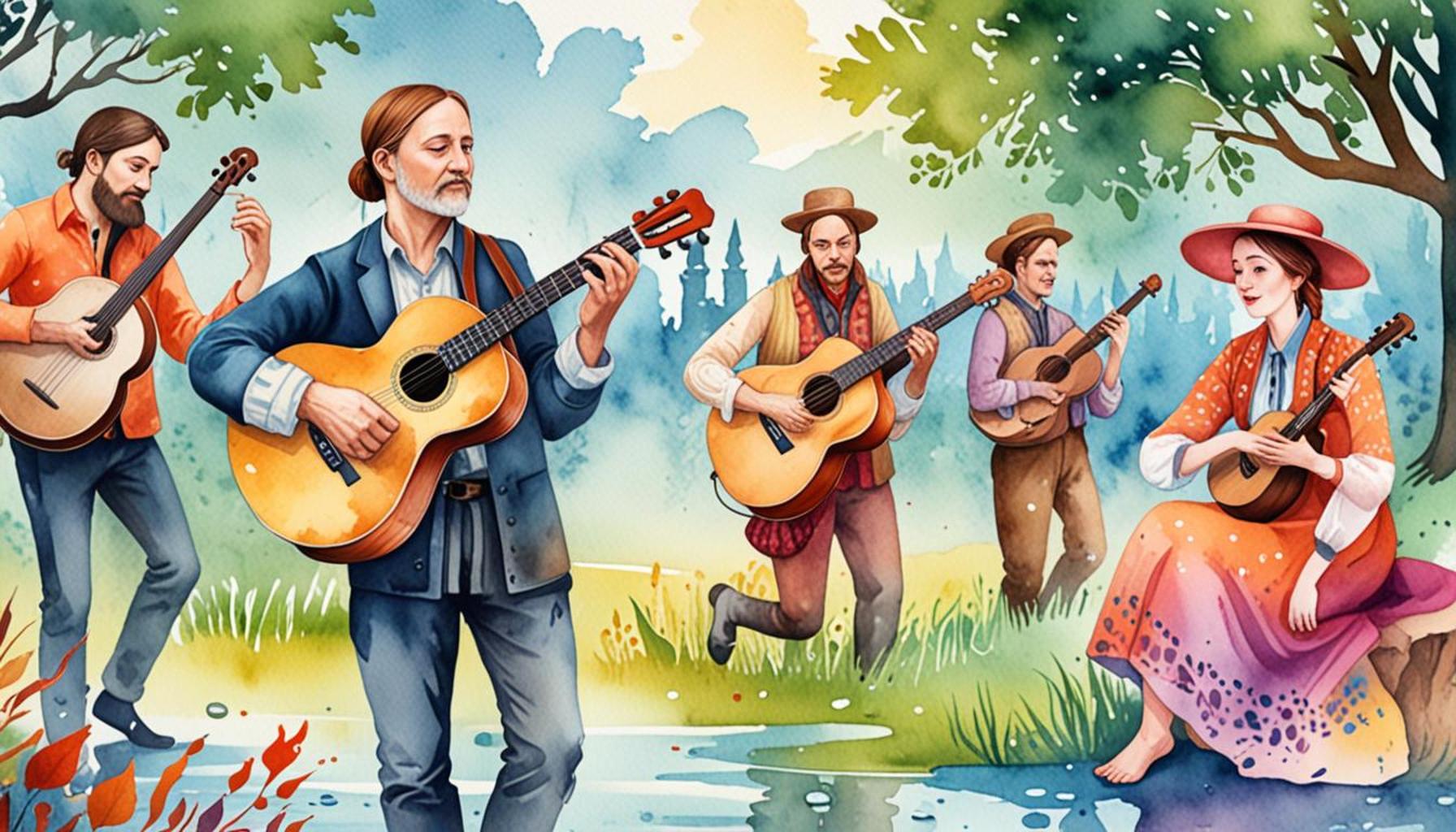
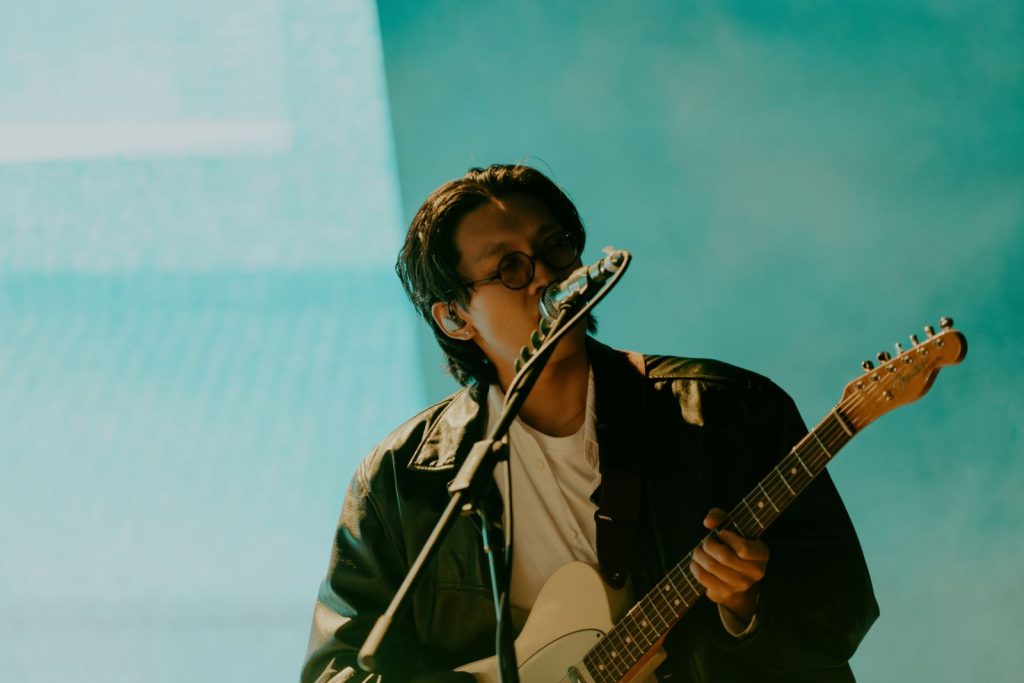
Eventually, those who find their footing in home recording may gravitate towards joining local bands. This transition represents a significant development in musical hobbies, where individual expression meets collaboration. Local music scenes are often nooks of creativity where diverse talents congregate, sharing ideas and blending genres. Participating in a local band not only hones musical skills but also fosters camaraderie, as band members strive to create something greater than the sum of their parts. The benefits are not merely musical; the social bonds formed during practice sessions and live gigs create a sense of belonging and shared purpose that resonates within communities. Local festivals and open mic nights have blossomed as essential venues for these budding talents, allowing them to connect with audiences while celebrating the rich tapestry of American musical heritage.
This evolution from private expression to public collaboration encapsulates a fascinating journey, illustrating how deeply interconnected our musical hobbies have become as society continues to change. The ensuing sections will further explore how these musical interests are reshaped by cultural shifts and technological advances, promising exciting opportunities for future generations of music lovers.
As we delve deeper into the evolution of musical hobbies, we encounter a rich tapestry woven from personal experiences and communal expressions. It is fascinating to observe how individual passions for music have led to collective endeavors. The journey from singing in the shower—a playful and private activity—to forming local bands reflects not only a personal growth but also a cultural shift towards collaboration and community.Local bands serve as a vibrant nexus where individuals unite under shared interests. These groups often create an environment conducive to musical experimentation and growth, encouraging members to step out of their comfort zones. In this communal space, each voice enhances the collective sound, providing opportunities for learning and mutual support. The joy derived from shared musical experiences can serve as a therapy, allowing participants to express their emotions and connect deeply with others.Participating in a local band also amplifies one’s appreciation for music, transforming casual enjoyment into a serious passion. Through practice sessions and live performances, individuals gain valuable skills in instrumentation, composition, and stage presence. Furthermore, these bands often foster essential soft skills like teamwork, communication, and dedication, which can echo beyond the realm of music into everyday life. The shift from solitary singing to collaborative music-making heralds a new understanding of what it means to engage with music. It pushes boundaries, inviting everyone—from avid musicians to enthusiastic amateurs—to join in and celebrate the universal language of music. As the landscape of musical hobbies continues to evolve, we find more opportunities for creation, innovation, and connection, paving the way for future generations to explore their musical identities. In celebrating these communal musical experiences, we recognize the *emerging trends* of local band culture, from open mic nights to genre-specific gatherings, as platforms that nurture talent and community spirit. This evolution underscores the importance of shared musical journeys, allowing us to appreciate the intricate ways in which music has woven itself into the fabric of society.
DIVE DEEPER: Click here to discover the power of poetic writing
Modern-Day Innovations in Musical Expression
As we continue tracing the trajectory of musical hobbies, it is essential to consider how technological advancements and shifts in cultural landscapes have further shaped these expressive outlets. Following the local band experience, music streaming services have emerged as cornerstone platforms that not only influence how music is consumed but also the way budding musicians expose their artistry. Platforms such as Spotify and Apple Music offer independent artists a chance to broadcast their original compositions to global audiences, far beyond traditional geographic barriers. This access has bred a new generation of listeners who are more connected with diverse music styles, fostering a culture of exploration and appreciation that zeros in on indie and local talents.
Moreover, it has created unique opportunities for artists to collaborate remotely. For instance, the popularity of platforms like Soundtrap and BandLab has allowed musicians from different corners of the world to come together seamlessly in virtual spaces, crafting songs without ever meeting in person. This not only enhances cultural exchange but also reflects how the digital age shatters previous conventions surrounding collaboration, enabling a more diverse soundscape that mirrors the melting pot of American society.
In addition to virtual collaboration, the rise of social media has revolutionized the ways individuals engage with music. Artists are no longer merely filtered through record labels or producers; they are directly cultivating their fanbase through platforms like Instagram and TikTok. The phenomenon of musical challenges, such as the viral “Savage Love” dance challenge, showcases how music interacts with popular culture, igniting connections between individuals who may otherwise never cross paths. Such engagements highlight another pivotal transformation in the musical landscape, where fan participation becomes an integral part of a song’s journey to fame. Additionally, nearly 70% of Gen Z individuals favor discovering new music through social media, underscoring the shift from traditional forms of music discovery.
In this regard, the role of music education programs has also evolved significantly. Schools now embrace an eclectic mix of genres in their music curricula, from hip-hop to electronic music production. Programs that focus on technology, such as MIDI composition and recording techniques, not only prepare students for the modern music industry but also equip them to become independent artists. The rise of Music Technology degrees reflects this urgent need in educational institutions, allowing aspiring musicians to surround themselves with both creativity and cutting-edge technological fluency.
A notable trend in the realm of musical hobbies is the resurgence of community-focused musical experiences, including music festivals and collaborative workshops. Large gatherings like Coachella and local events such as community jam nights serve as vital platforms for musicians to showcase their talents, while simultaneously creating an inclusive space for fans to share their love for music. Many cities now have dedicated local initiatives that support grassroots bands, offering funding and resources aimed at revitalizing local music scenes. Reports indicate an increase in attendance at such events, highlighting society’s collective longing for connection through shared musical experiences.
Overall, the intersection of technology, social media, and community engagement has propelled musical hobbies into new realms, while maintaining the essence of creativity and collaboration. This unfolding narrative not only signifies the continuing evolution of musical expression but also holds transformative implications for how music shapes our identities and connects us across diverse backgrounds.
DISCOVER MORE: Click here to learn how creativity can boost your mental well-being
Conclusion: The Future of Musical Hobbies
In the grand tapestry of human expression, musical hobbies have undergone a remarkable transformation, evolving from spontaneous moments of joy like singing in the shower to the creation of vibrant local bands and communities enriched by shared artistic experiences. As we observe the rich interplay between technology, social media, and grassroots initiatives, it becomes clear that our relationship with music is more dynamic than ever before. Today’s musicians and enthusiasts have the tools and platforms to explore various styles, foster collaborations, and build communities without the traditional barriers.
The advent of streaming platforms and digital collaboration tools signifies a monumental shift in how music is produced and shared, making way for diverse sounds to flourish. Furthermore, the democratization of music creation through accessible education empowers the next generation of artists to innovate and engage with audiences in profound ways. This evolution acknowledges the ever-expanding definition of what it means to partake in music as a hobby or art form.
As we look to the future, the continued influence of community-driven experiences such as music festivals and local events will further cement the role of music as a unifying force. The landscape of musical hobbies is not static; it reflects our societal values, technological progress, and cultural shifts, promising a vibrant future filled with creative possibilities. It stands as a testament to the enduring power of music, connecting lives, inspiring movements, and nurturing a sense of belonging among individuals from all walks of life. Ultimately, the journey from solitary expression to collaborative musical experiences encapsulates not just the evolution of hobbies, but the essence of what it means to be human in a multifaceted world.