Sustainability in Arts and Crafts: Creating Projects with Recycled Materials
The Intersection of Art and Environmental Consciousness
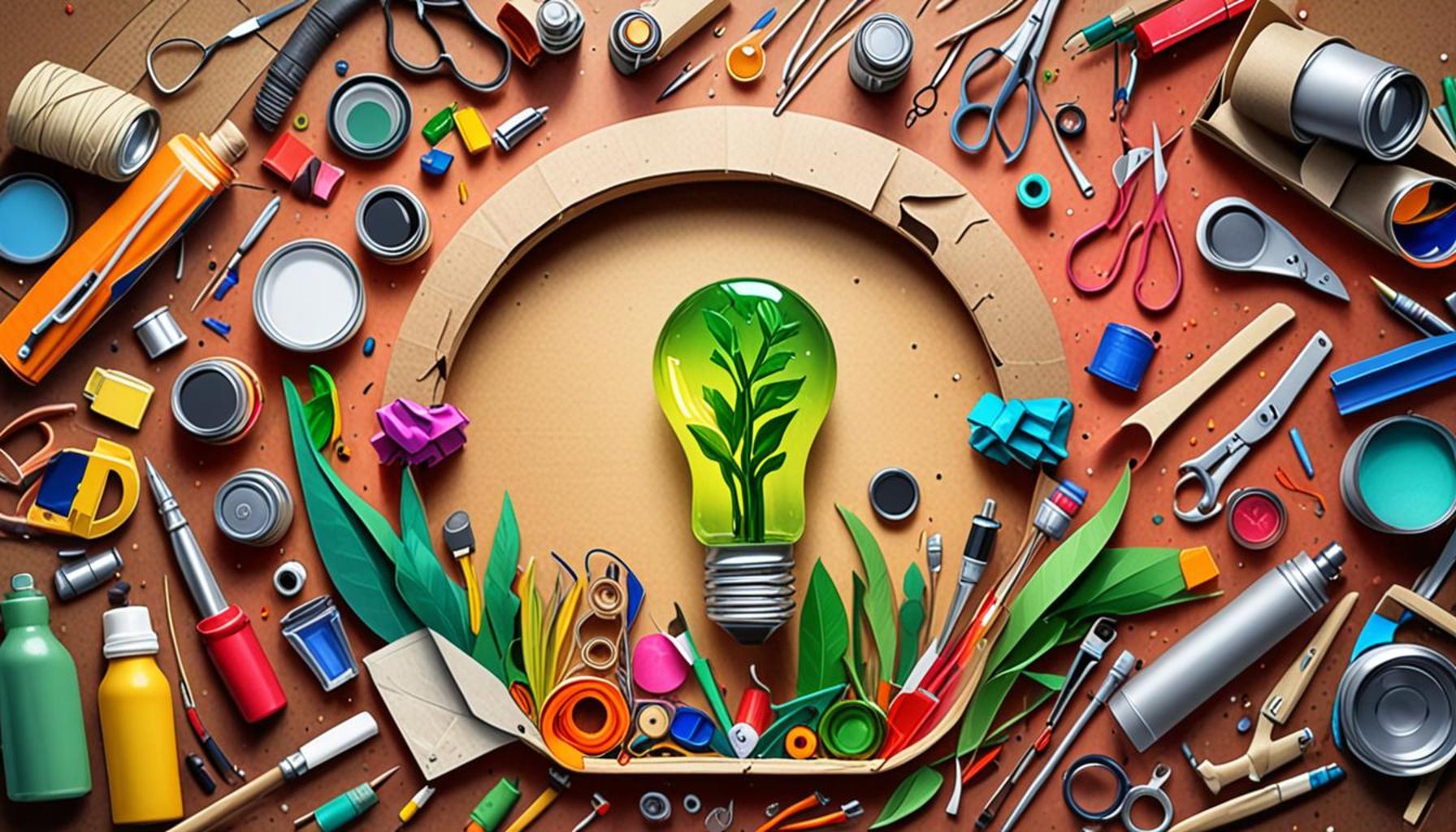
As concerns about climate change, pollution, and resource depletion escalate, artists and crafters across the United States are increasingly adopting sustainable practices in their creative processes. This vibrant movement has sparked innovation in the arts and crafts sector, allowing creators to forge unique pieces that tell stories not only of beauty but also of responsibility toward our planet. By utilizing recycled materials, artists are not merely reducing waste; they are fostering a creative renaissance where imagination meets environmental stewardship.
Engaging with recycled materials opens a myriad of artistic opportunities. These materials can come from everyday life, lending a personal touch to each creation. Here are some exciting avenues to explore:
- Repurposed household items: Everyday objects can be transformed in astonishing ways. For instance, an old glass jar might become a stunning lamp adorned with decorative twine and light fixtures, or frayed clothing might find new life as a vibrant quilted wall hanging, each piece reflecting its history while serving a new purpose.
- Natural materials: Nature offers a bountiful palette for artistic creation. Twigs can be fashioned into intricate sculptures, leaves into delicate prints, and stones can be transformed into beautiful garden art. Artists have noted that working with these materials deepens their connection to the environment, fostering a sense of mindfulness.
- Upcycled furniture: The trend of upcycling has gained considerable popularity. A piece of furniture that has fallen out of favor can be revitalized with a fresh coat of paint or new upholstery, showcasing creativity while reducing the demand for new materials. This approach not only preserves resources but also often leads to one-of-a-kind pieces that tell their own stories.
Beyond the aesthetic benefits, these sustainable projects promote environmental responsibility. By choosing to create with recycled materials, artists communicate vital messages about conservation and the importance of rethinking waste. This shift towards sustainability encourages the idea that beauty can and should arise from what is often cast aside as waste.
By delving into the world of sustainable arts and crafts, enthusiasts can uncover an expansive array of resources, methods, and innovative ideas. Blogs, workshops, and community initiatives are emerging, each designed to inspire creativity while championing the cause of environmental preservation. Experimenting with discarded items not only ignites artistic vision but also nurtures a sense of community and collaboration among like-minded individuals. Together, crafters are shaping a future where creativity and sustainability go hand in hand.
Whether you are an established artist or simply looking to add a personal touch to your home, incorporating recycled materials into your projects is an enriching journey. Dive into this movement and discover the transformative power of creativity—a force that not only shapes art but can also redefine our relationship with the environment.

DIVE DEEPER: Click here to learn more
Unleashing Creativity through Recycled Materials
The world of sustainable arts and crafts is not just about using recycled materials; it’s about tapping into a treasure trove of creativity that exists right within our homes and communities. By reimagining what we see as waste, artists can create meaningful, functional, and aesthetically pleasing pieces. Engaging with recycled materials challenges the conventional narrative about consumption, urging creators and consumers alike to consider their impact on the environment.
One of the most exciting aspects of using recycled materials is the limitless potential for innovation. Artists have found ways to creatively repurpose items that might otherwise end up in landfills. Here are some popular categories to explore:
- Textile scraps: Old garments and fabric remnants can be stitched into vibrant quilts or playful bags. Not only do they bring new life to discarded clothing, but they also allow the artist to express their unique style while practicing sustainability.
- Plastic waste: Common plastic items, such as bottles and containers, can be transformed into stunning art pieces. For example, artists can cut and mold bottles into intricate sculptures or use them as canvases to paint vibrant colors, raising awareness about plastic pollution.
- Paper products: From old newspapers to cardboard boxes, paper can be reshaped into beautiful collage art, handmade greeting cards, or even 3D sculptures. This not only promotes recycling but also encourages creativity through the exploration of different textures and forms.
This movement toward sustainable practices within the arts also has significant implications for environmental awareness. Artists who choose to utilize recycled materials are often seen as advocates, communicating important messages about the necessity of reducing waste and conserving resources. This approach is increasingly resonating within the broader narrative of climate change, making creative artisans vital players in the journey toward a more sustainable future.
Moreover, the sense of community that emerges from sustainable arts initiatives is palpable. Numerous workshops and events dedicated to DIY recycling projects are sprouting in cities across the United States. These gatherings not only provide instruction but also create a space for sharing ideas and success stories. Participants often leave with not just a new project in hand but a deeper understanding of their role in sustainability.
For those interested in delving deeper into the world of sustainable arts and crafts, a wealth of resources is available. Online platforms and social media channels are ripe with inspiration, showcasing a range of tutorials, methods, and featured artists who have successfully embraced recycled materials. By engaging with these resources, aspiring creators can gain insights into both the artistic and environmental impacts of their projects.
As we navigate the challenges of modern living, the fusion of creativity and sustainability offers an exciting opportunity to foster change. From classrooms to community centers, everyone can unleash their artistic potential while embracing the principles of environmental stewardship. The journey of creating with recycled materials is as much about exploration as it is about innovation, inviting you to redefine what art can be in the context of a sustainable future.
Sustainability in Arts and Crafts: Creating Projects with Recycled Materials
The movement towards sustainability in the arts and crafts realm is gaining momentum, with many creators harnessing recycled materials to breathe life into their projects. This practice not only minimizes waste but also cultivates a deep sense of environmental consciousness among artists and crafters alike. By repurposing items that would typically end up in landfills, artists can add a unique twist to their creations while imparting a powerful message about the importance of conservation.
One of the most fascinating aspects of using recycled materials is the vast array of items available for transformation. From old newspapers and discarded plastic bottles to fabric scraps and glass jars, virtually anything can be turned into a remarkable work of art. This opens up a world of creative possibilities that challenge traditional methods and encourage innovation. Not only does this kind of project inspire creativity, but it also addresses significant environmental issues by reducing our carbon footprint and lessening our dependence on new materials.
Incorporating sustainable practices into arts and crafts also enhances community engagement. Workshops focused on recycled materials can bring people together to share ideas, skills, and inspiration, forming bonds that transcend generations. These workshops not only foster creativity but also educate participants about the benefits of sustainability, creating a ripple effect that can inspire further eco-friendly projects in the community.
Moreover, the push for sustainability has led to a shift in consumer preferences. More art enthusiasts and collectors are now drawn to pieces that tell a story, highlighting the journey of reused item into an object of beauty. This trend showcases the importance of connecting art with environmental stewardship, making it vital for artists to understand the principles of sustainable art.
| Advantages | Description |
|---|---|
| Environmental Impact | Using recycled materials reduces waste and lowers carbon emissions. |
| Community Building | Workshops foster collaboration and creativity among participants. |
By exploring the transformative power of recycling in arts and crafts, individuals not only engage in a rewarding creative process but also contribute to a larger movement aimed at preserving our planet for future generations. Expect a surge of innovation as more artists embrace this sustainable approach, creating works that inspire and educate while also making a difference in the world.
DIVE DEEPER: Click here to uncover more
Community Engagement and Educational Impact
As the movement of sustainable arts and crafts gains momentum, its ripple effects are being felt in communities across the nation. Grassroots campaigns, local festivals, and collaborative workshops are inviting individuals from various backgrounds to engage with recycled materials and discover both the joy of creating and the necessity of sustainability. Events such as Upcycling Fairs and Green Art Festivals serve as platforms for artists, students, and enthusiasts to come together and showcase their eco-friendly projects, fostering a collective awareness about waste and conservation.
Incorporating educational programs into this movement is paramount. Schools have begun integrating recycled art projects into their curricula, leading students to understand the significance of sustainability through hands-on experiences. These projects not only pique student interest but also enhance problem-solving skills, creativity, and teamwork. A prime example is the Art for the Environment program, where students use everyday materials to create art that reflects environmental themes, further encouraging critical thinking about the world around them.
Beyond education, community art initiatives significantly influence local economies. Local businesses and artisans can create unique products from recycled materials, helping to drive the upcycled market. Items like repurposed furniture, custom jewelry from scrap, or artisanal crafts made from waste materials are becoming popular among consumers looking for functional yet eco-conscious goods. This shift towards supporting local artisans contributes to sustainable economic growth while simultaneously minimizing waste.
In addition, many non-profit organizations focus on empowering communities through recycled arts and crafts. Programs such as Habitat for Humanity’s ReStores not only sell donated items but also provide opportunities for community-driven art projects, turning surplus materials into beautiful and functional pieces. Furthermore, these initiatives allow for local voices and stories to be represented through art, promoting unity and connection within diverse populations.
Social media platforms play a crucial role in broadening the reach of these sustainable movements. Creators regularly share their projects and processes online, creating a virtual community that inspires collaboration and knowledge sharing. Hashtags like #UpcycleArt and #SustainableCrafts have garnered attention, with users showcasing their innovations, which often spark ideas for others. This digitally connected community furthers the mission of recycling and sustainability while expanding the audience who appreciates the artistic merits of repurposed materials.
In particular, the impact of the COVID-19 pandemic highlighted the importance of this community engagement. Many individuals sought to find comfort and purpose through creativity while staying at home. This behavior surge led to an increase in DIY projects involving recycled materials, as people looked for ways to contribute positively to their environments in uncertain times. Creative online challenges and workshops emerged, allowing individuals to embrace their artistic side while learning sustainable practices.
As these community initiatives continue to evolve, they underline the critical link between sustainability and art. The idea that beauty can emerge from what was once deemed waste embodies a powerful narrative that reflects on our environmental challenges and the innovative spirit of humanity. By engaging with recycled materials, individuals not only contribute to their local communities and economies but also partake in a broader movement aimed at fostering a more sustainable world.
DISCOVER MORE: Click here to learn about the impact of performing arts on social inclusion
Conclusion
As we navigate the intricate relationship between sustainability and creativity, it becomes increasingly clear that arts and crafts with recycled materials have transcended mere trends—they are pivotal in reshaping our societal narratives. By embracing innovative practices that utilize discarded items, artists and crafters become champions of a movement that not only challenges wastefulness but also inspires others to rethink consumption. The act of transforming forgotten materials into artistic expressions illustrates a broader commitment to environmental stewardship, serving as a powerful reminder of the potential inherent in every discarded object.
Moreover, the educational initiatives springing up in schools and communities are instrumental in cultivating a consciousness around sustainability. They empower the next generation of creators to see value in what others deem worthless, fostering skills like creativity, critical thinking, and teamwork. This shift can influence not just local economies through the upcycled market, but also encourage a collective mindset that prioritizes sustainability without sacrificing artistic integrity.
As the movement grows, the role of digital platforms will continue to be significant, linking diverse communities and sparking global conversations about waste reduction and innovation in art. The ongoing engagement brought about by challenges and virtual workshops during uncertain times has further solidified the relevance of reclaimed materials in our daily lives. By participating in this dynamic space, individuals are not only contributing to a greener future but also celebrating the intrinsic beauty of creativity in overcoming challenges.
Ultimately, the future of arts and crafts lies in our willingness to envision and create from the remnants of our consumer habits. As we champion sustainability through creativity, we inspire ourselves and others to appreciate the art in reuse—highlighting that every item has the potential for a new story, a new life, and a brighter, more sustainable future.