Seasonal Cuisine: Preparing Dishes with Fresh and Local Ingredients
The Importance of Seasonal Ingredients
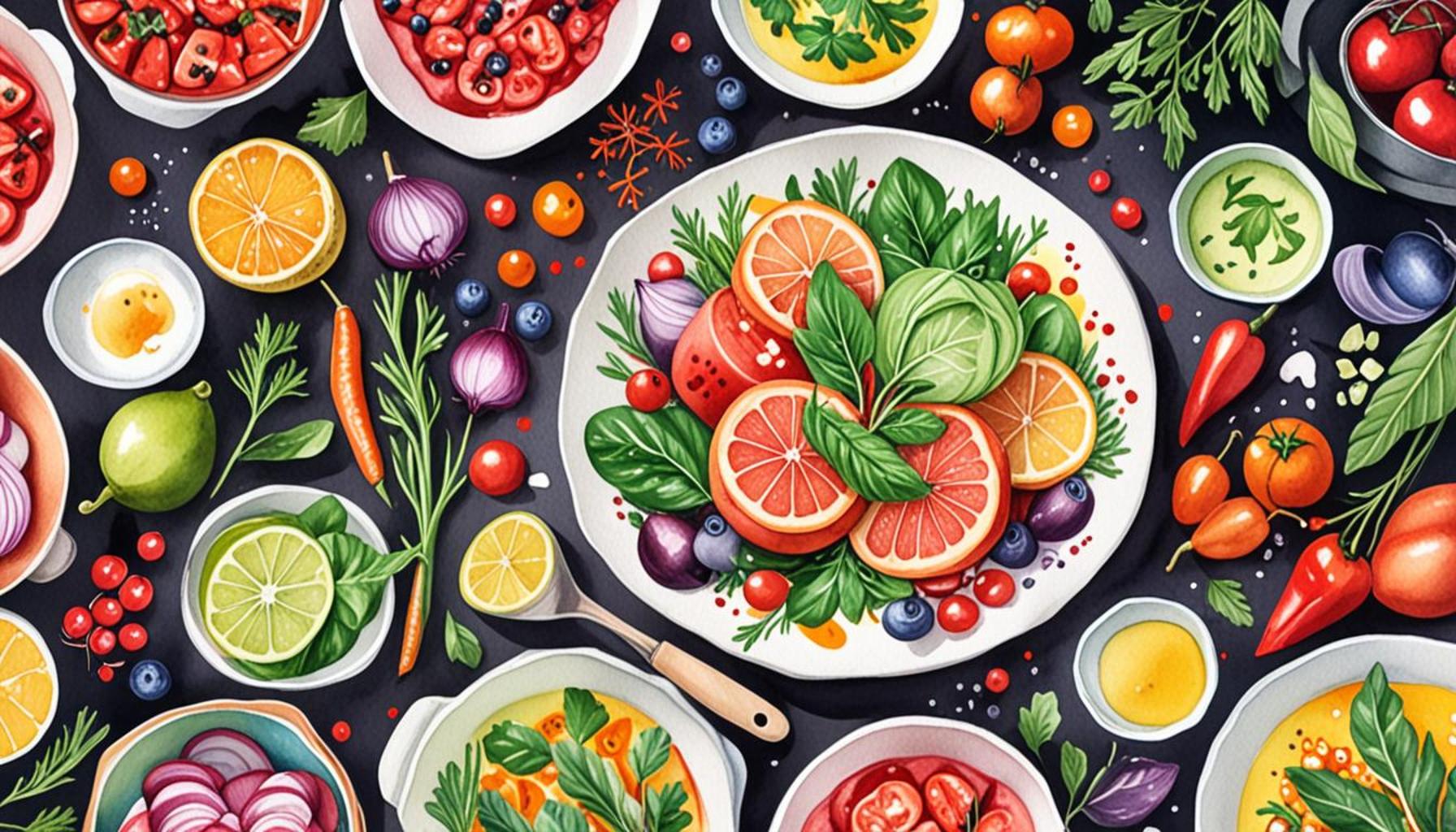
Embracing seasonal cuisine opens up a world of flavors and possibilities, inviting us to connect with nature through our plates. The art of using fresh and local ingredients empowers home cooks and chefs alike to craft dishes that celebrate each season’s bounty. Choosing to cook with what is seasonally available not only enriches meals but also aligns our eating habits with nature’s rhythms.
When you focus on seasonal cooking, you engage in a cycle that benefits both your palate and the environment. The use of ingredients at their peak season enhances the overall culinary experience. Here are some key aspects to consider:
- Flavor: Seasonal produce is harvested at the right moment, ensuring vibrant taste and texture. For example, ripe summer strawberries are far superior to out-of-season imports that have traveled thousands of miles.
- Nutrition: Fresh ingredients retain more nutrients, contributing to a healthier diet. Local corn, picked in late summer, offers significantly more phytochemicals than corn that has been stored for months post-harvest.
- Community: Sourcing from local farmers fosters connections and supports the local economy. Visiting farmers’ markets can introduce you to growers in your area, allowing you to understand firsthand how food is grown and harvested.
In the United States, each region proudly boasts distinct seasonal offerings, adding variety to the culinary landscape. In the Northeast, for instance, you might find crisp apples and squash in the fall, while in the Southwest, the summer months bring a harvest of chiles and tomatoes. It’s crucial to understand what ingredients flourish in each season, as this knowledge can significantly enhance your meals and cooking techniques.
Moreover, exploring local markets can feel like a journey through a tapestry of diverse culinary traditions. Imagine crafting a vibrant summer salad using freshly picked heirloom tomatoes paired with fragrant basil and creamy burrata cheese. Conversely, during winter, you could create a nourishing stew featuring root vegetables like carrots and parsnips, alongside hearty grains.
By prioritizing local foods, you not only deepen your appreciation for the ingredients but also support local economies and sustainable farming practices. Get ready to dive into the vibrant world of seasonal cuisine and learn how simple ingredients can create extraordinary dishes! Whether you are an experienced chef or an enthusiastic home cook, seasonal cooking presents boundless opportunities for creativity and exploration. Start your journey by researching seasonal produce and find inspiration in local cooking classes or community gatherings, where the joy of sharing seasonal dishes transcends mere nourishment.
DISCOVER MORE: Click here to dive deeper
Local Ingredients: A Symphony of Flavor
When you delve into the realm of seasonal cuisine, one of the most exciting aspects is discovering the extraordinary flavors that local ingredients bring to the table. The taste of freshly harvested produce is unparalleled; it sings with the essence of the land and the specific season it reflects. For instance, warm summer afternoons offer ripe peaches that burst with sweetness, while cool autumn days provide earthy root vegetables that ground many comforting dishes.
Understanding how to select and use these ingredients effectively can elevate your cooking to new heights. One of the best ways to start is by exploring the peak seasons for various fruits and vegetables in your region. This awareness encourages creativity in the kitchen. Here’s a breakdown of some common seasonal produce in the United States:
- Spring: As the weather warms, enjoy asparagus, radishes, and peas. These tender ingredients can be quickly cooked or even consumed raw, showcasing their crispness.
- Summer: This season boasts the likes of tomatoes, zucchini, and corn. Grilled corn on the cob or a classic Caprese salad are perfect examples of how to make the most of summer’s bounty.
- Fall: With the arrival of cooler temperatures, savor pumpkins, squash, and apples. Hearty soups and warm pies are ideal for celebrating this harvest time.
- Winter: Root vegetables such as carrots, parsnips, and sweet potatoes shine during this period. Roasting them enhances their flavors, making for a satisfying and nutritious meal.
The beauty of local ingredients lies not only in their freshness but also in their versatility. A single seasonal item can inspire a myriad of recipes, accommodating different dietary preferences and cooking styles. For example, a head of cauliflower can be transformed into a vibrant curry, creamy soup, or even a grilled steak alternative. This adaptability encourages cooks to experiment and push culinary boundaries.
Moreover, the relationship between seasonality and sustainability cannot be overlooked. By prioritizing local produce, one plays a role in reducing the carbon footprint associated with long-distance food transportation. According to some data, produce grown closer to home travels significantly less distance, resulting in less energy consumption and lower greenhouse gas emissions. This mindful approach to food selection aligns not just with personal health, but also with environmental well-being.
As you embark on your seasonal cooking journey, consider visiting the local farmers’ markets or establishing a connection with nearby farms. These visits can offer incredible insights into the growing practices and culinary traditions of your area. Engaging with local growers can deepen your appreciation for food and foster a sense of community. It also opens up opportunities for discovering rare ingredients that may not be found in larger grocery stores, adding an element of adventure to your cooking.
With a commitment to seasonal cuisine, you unlock the potential of your pantry and cultivate a more intentional way of eating. By integrating fresh and local ingredients into your daily meals, you actively participate in a cycle of sustainability, nourishment, and flavor that transcends the ordinary.
| Advantage | Description |
|---|---|
| Nutritional Benefits | Fresh and locally sourced ingredients often retain more nutrients compared to those that are transported long distances. |
| Environmental Impact | Seasonal cuisine promotes sustainability by reducing the carbon footprint associated with transportation and encouraging biodiversity. |
In recent years, the movement toward seasonal cuisine has captured the attention of food enthusiasts and health advocates alike. This approach emphasizes the use of ingredients that are in season and locally available, ultimately enhancing the flavor and quality of the dishes prepared. By integrating local produce, cooks not only support their community farmers but also celebrate the unique offerings of each season. A major focus of seasonal cuisine is the connection between food and health. Ingredients harvested at their peak ripeness tend to be more nutrient-dense, contributing significantly to a balanced diet. Furthermore, seasonal dishes offer a diverse range of flavors according to the time of year, ensuring that our meals remain exciting and enriching.Additionally, seasonality in cooking fosters a deeper appreciation for the environment. It encourages consumers to be mindful of nature’s cycles, leading to a growing awareness of the impact food choices have on local ecosystems. By dwindling reliance on mass-produced, out-of-season foods, individuals can play a part in preserving the planet for future generations.In exploring the topic of seasonal cuisine, readers are encouraged to think about the origins of their meals. By embracing the philosophy of cooking with fresh and local ingredients, not only are dishes elevated in quality, but the broader community is positively impacted as well. Discovering how to incorporate seasonal ingredients in daily cooking can be a rewarding experience filled with opportunities for creativity.
DIVE DEEPER: Click here to discover the healing power of music
Cooking Techniques for Seasonal Success
Understanding the unique characteristics of seasonal ingredients is crucial for maximizing their potential on your plate. Different cooking techniques can highlight natural flavors and textures, allowing the ingredients to shine. From grilling to fermenting, mastering a variety of methods can make your seasonal meals truly memorable.
Grilling is an excellent technique during the warmer months, particularly for summer vegetables like zucchini, eggplant, and bell peppers. The high heat caramelizes the natural sugars, intensifying their flavors. For instance, a quick marinated vegetable skewers featuring seasonal favorites can capture the essence of summer while being a feast for both the eyes and the palate. As the smoke infuses a distinct flavor, notes of the grill harmonize beautifully with the sweetness of the produce, creating a delightful dish.
Moreover, slow-cooking root vegetables during the colder months can yield hearty and comforting meals. Take sweet potatoes, for example; when prepared in a slow cooker with spices and herbs, they not only soften but also absorb surrounding flavors, resulting in a dish that’s nothing short of soul-soothing. A warm sweet potato and black bean chili is a perfect autumn recipe that encapsulates the essence of fall ingredients, fostering a sense of warmth as temperatures drop.
Another intriguing method to explore during any season is fermentation. This ancient technique not only preserves seasonal produce but also enhances the depth of flavor in dishes while introducing beneficial probiotics. Imagine crafting a tangy fermented carrot dish, perfect for adding an exciting crunch to salads or serving as a condiment. This approach adds layers of complexity to your meals while enabling you to savor the flavors of your region even when the season changes.
Global Influences on Seasonal Cuisine
Seasonal cuisine is also enriched by drawing inspiration from culinary traditions around the world. For example, Mediterranean cuisine emphasizes fresh, seasonal vegetables as a pivotal part of their meals. The use of herbs and spices serves to accentuate the natural flavors of produce, which could inspire the creation of a vibrant ratatouille during the summer months. This dish perfectly showcases the beauty of seasonal vegetables, coming together in a colorful tapestry of flavors.
In contrast, Asian cuisines often utilize seasonal ingredients with a focus on balance and harmony. Dishes such as a spring vegetable stir-fry or a fall-inspired pumpkin curry offer a chance to combine a variety of textures and tastes, enhancing the appeal of the dish. Exploring these global influences can provide not just diversity in flavors but also present opportunities to learn about the cultural significance behind the ingredients, thus enriching your cooking experience.
Building Community Through Seasonal Eating
Seasonal cuisine fosters a deep connection between the food we eat and our communities. Supporting local farmers and producers not only strengthens regional economies but also establishes a network of trust in the food supply chain. Knowing where your food comes from can transform your dining experience from a mere meal into a celebration of community and shared values.
Participating in local events such as harvest festivals or farm-to-table dinners provides opportunities to engage with fellow food enthusiasts. These gatherings often highlight the importance of seasonal eating while fostering connections that can lead to long-lasting relationships with local food providers. By taking part in these initiatives, you contribute not only to personal health but also to the vitality of your local food ecosystem, cultivating a culture of sustainability that benefits everyone.
As we embrace the idea of seasonal cuisine, we open ourselves up to an array of flavors, techniques, and community connections that enrich our culinary landscape. This journey—grounded in local ingredients—allows each bite to reflect the unique essence of our surroundings while inspiring a collective appreciation for the beauty of seasonal cooking.
DISCOVER MORE: Click here to learn about the impact of diversity in the performing arts</
Embracing the Essence of Seasonal Cuisine
In conclusion, seasonal cuisine represents more than a culinary trend; it embodies a lifestyle that values freshness, sustainability, and community. As we adopt the art of preparing dishes with fresh and local ingredients, we not only enhance the flavors on our plates but also reconnect with the rhythms of nature and our surroundings. Each season brings its bounty, providing an opportunity to explore diverse cooking techniques, from the charred crispness of grilled vegetables to the nourishing warmth of slow-cooked stews. This exploration fosters a deeper appreciation for the ingredients that reflect the geographical identity of our region.
Furthermore, tapping into global culinary influences allows us to expand our culinary repertoire and experiment with exciting flavors and traditions. By incorporating these techniques and inspirations, we create meals that not only satisfy the palate but also tell a story about the ingredients and their origins.
Ultimately, embracing seasonal cuisine serves as a catalyst for building stronger community ties, supporting local farmers, and participating in the local food economy. As we rally around fresh, local offerings, we cultivate a culture of sustainability that benefits not just ourselves but the environment as well. So, let us celebrate seasonal cuisine—an invitation to savor every bite while cherishing the remarkable journey from farm to table. As you explore this culinary path, take a moment to appreciate the rich tapestry of flavors, stories, and connections that seasonal cooking offers, and let those experiences inspire your next meal.