Presentation Techniques for Dishes: Transforming Meals into Works of Art
Creating Visual Feasts
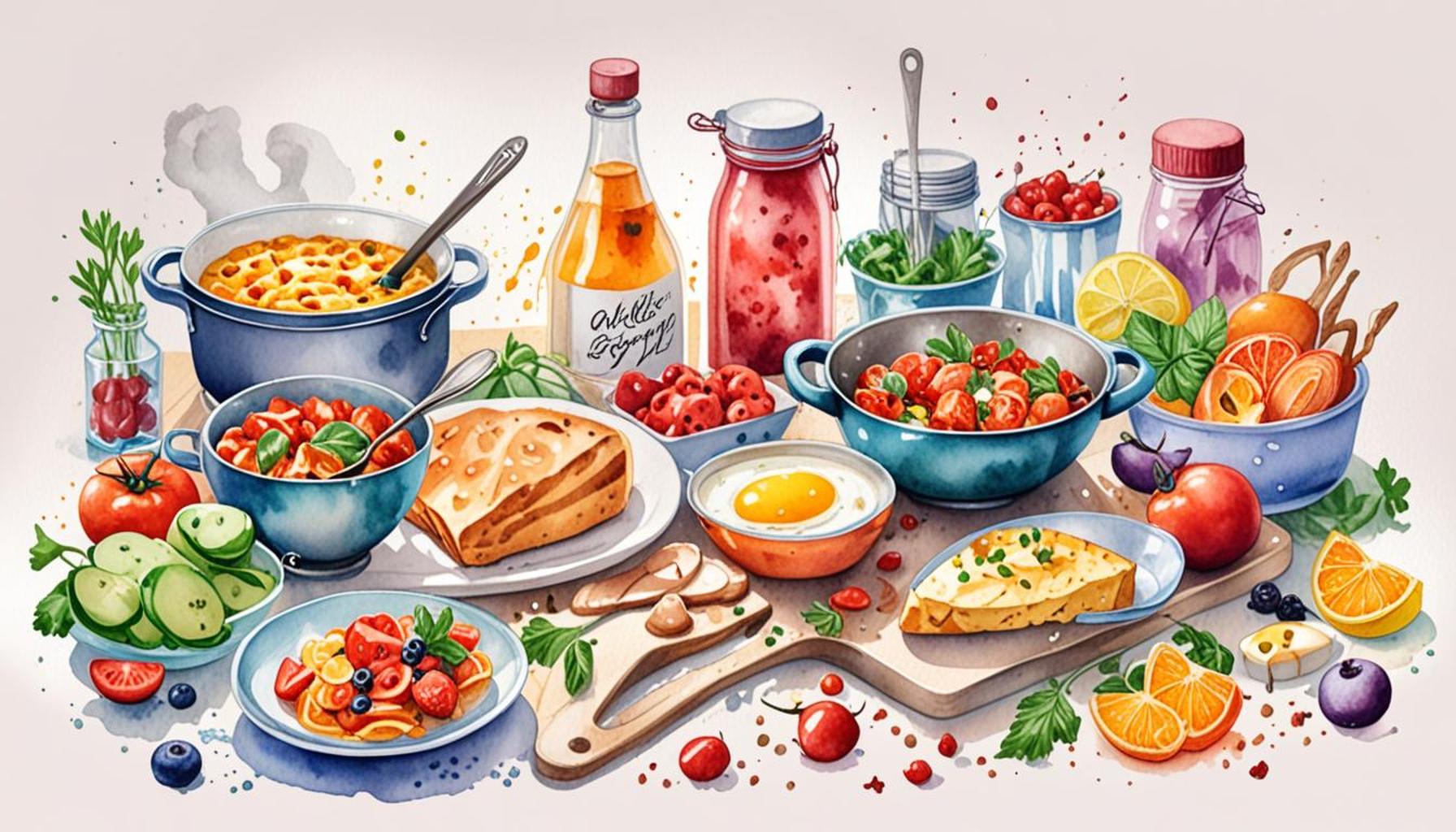
Food is not just about taste; it’s an art form that can be visually captivating. Presentation techniques can elevate any dish, transforming everyday meals into stunning creations that entice the eyes and excite the palate. Mastering these techniques can enhance your culinary experience and impress your guests. Each dish tells a story, and how it is presented adds to that narrative, evoking emotions that go beyond flavor alone.
Why Presentation Matters
When it comes to dining, first impressions count. A beautifully presented dish can:
- Enhance the appeal of the meal: The visual appeal of food can significantly impact a diner’s perception of taste. Studies have shown that people often judge flavor based on a dish’s appearance before it’s even tasted. For instance, a colorful salad served in a clear bowl can make the fresh greens and bright tomatoes pop, inviting guests to dig in immediately.
- Encourage healthier eating habits: A well-presented dish can motivate individuals to choose healthier options. Research suggests that people are more likely to savor a meal that looks appealing, which can translate to enjoying nutritious options like fruits and vegetables. A plate adorned with edible flowers and colorful garnishes can make even the simplest dishes more enticing.
- Make special occasions memorable: Presentation can elevate any meal into an experiential feast. For significant celebrations, such as weddings or anniversaries, a beautifully arranged charcuterie board or an elaborately frosted cake can create a lasting impression. When food looks exceptional, it enhances the entire dining experience, turning an ordinary meal into a cherished memory.
Consider how a simple plate of pasta can become a culinary masterpiece with just a few thoughtful touches. A drizzle of balsamic reduction, a sprinkle of freshly grated Parmesan, and a garnish of basil can transform a straightforward spaghetti dish into an alluring visual treat that captures attention.
Essential Techniques to Explore
There are various techniques that chefs and home cooks alike can utilize, with each offering unique opportunities to enhance visual appeal. Some noteworthy methods include:
- Color contrast: Using vibrant ingredients to create a striking palette can make your plate stand out. For example, a dish combining bright yellow corn, deep red tomatoes, and crisp green bell peppers creates a visual feast that is as appealing to the eyes as it is delicious to the taste.
- Plating: Arranging food in an aesthetically pleasing manner is essential for presentation. Rather than simply piling food onto a plate, consider the layout. Use techniques such as stacking or fanning out ingredients to create height and interest. For instance, try placing grilled chicken at an angle atop a bed of colorful roasted vegetables.
- Garnishing: Adding fresh herbs or edible flowers for a touch of elegance can elevate even the most mundane dishes. A sprig of rosemary atop a plate of mashed potatoes or a delicate orchid on a fruit salad can transform your meal from everyday to extraordinary.
By understanding and applying these techniques, anyone can learn to turn ordinary dishes into eye-catching works of art. Dive into the world of culinary aesthetics, experiment with flavors and colors, and discover how to make each meal a memorable masterpiece. The journey of creating a visual feast not only enhances your cooking skills but also instills a deep appreciation for the artistry involved in food preparation. Engage your senses, and watch as your dining experiences reach new heights.
DISCOVER MORE: Click here to learn how performing arts enhance self-esteem and social skills
Essential Techniques to Enhance Food Presentation
In the ever-evolving culinary landscape, presentation techniques play a pivotal role in the dining experience. The art of plating is not merely an aesthetic choice; it significantly impacts perception, flavor, and the overall satisfaction of a meal. By adopting a few essential techniques, home cooks and professional chefs alike can transform everyday dishes into captivating visual spectacles that entice and delight.
Color Contrast and Harmony
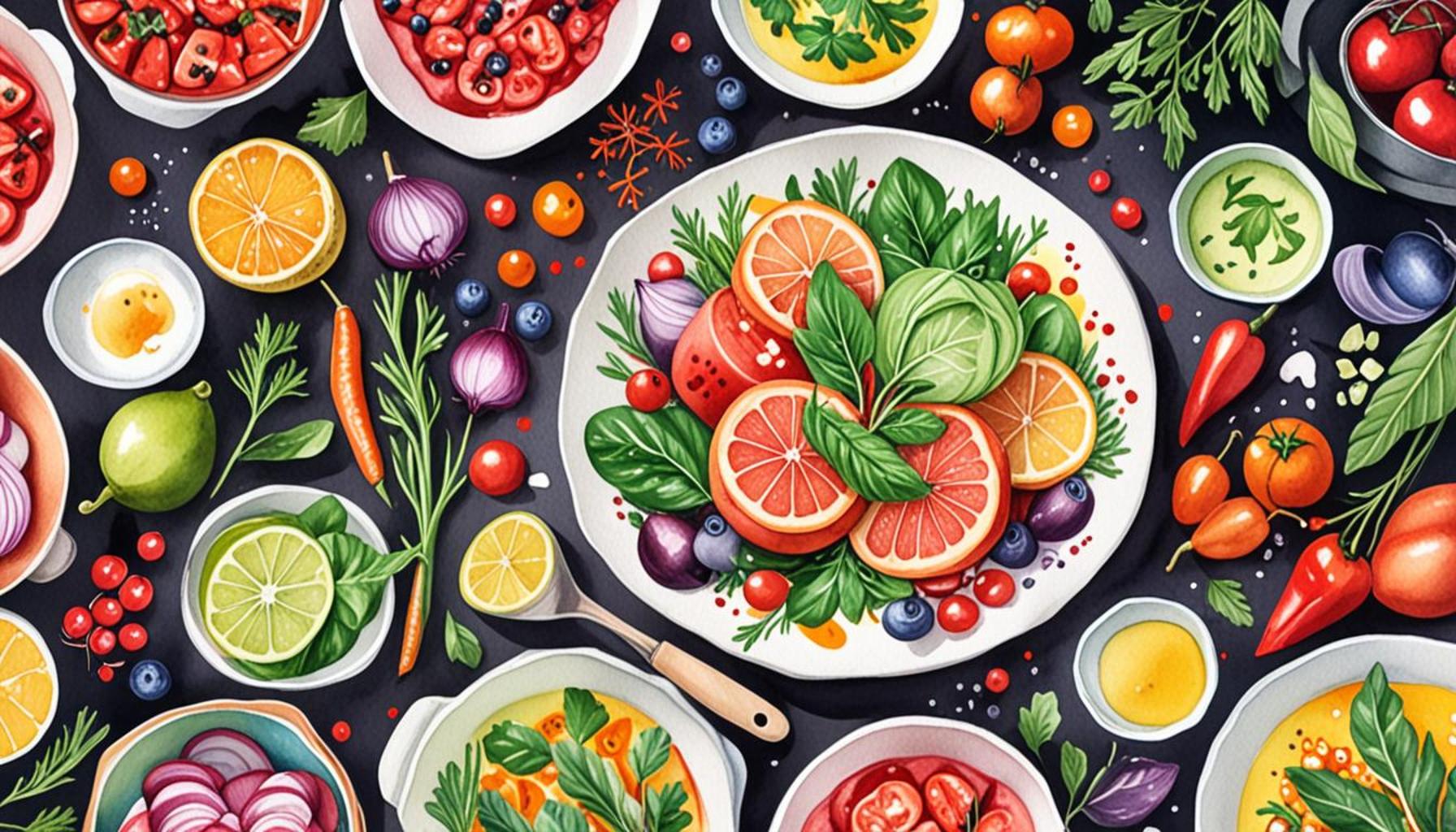
One of the most fundamental aspects of food presentation is the use of color contrast. Vibrant colors not only stimulate the appetite but also provide clues about the freshness and flavor of the ingredients. Incorporating a variety of colors on your plate invites diners to explore a spectrum of tastes. Studies suggest that meals featuring a diverse array of colors are perceived as more flavorful and nutritious. For example, pairing deep green spinach with bright orange butternut squash and ruby-red pomegranate seeds creates a stunning contrast that is both visually appealing and healthful.
Artful Plating Techniques
To truly elevate a dish, savvy cooks should embrace the art of plating. This involves thoughtful arrangement and composition on the plate rather than simply placing items haphazardly. Consider the following methods to enhance your plating skills:
- Height and Layers: Create dimension by stacking or layering ingredients. A stack of pancakes drizzled with syrup and topped with fresh berries not only looks enticing but also adds texture and depth.
- Negative Space: Leaving some areas of the plate empty can accentuate the main elements of a dish. This technique highlights your ingredients, making them the focal point without overwhelming the viewer.
- Quirky Shapes: Use molds or rings to shape foods into visually striking forms. A tower of Mediterranean quinoa salad molded in a ring creates an elegant presentation that impresses diners before they even take a bite.
The Power of Garnishing
A well-executed garnish can elevate a dish from mundane to extraordinary. Choosing the right garnish is key, as it should complement both the flavor profile and appearance of the dish. Here are a few principles to guide you:
- Fresh Herbs: The experience of tasting a dish can be enhanced by the fragrance of fresh herbs like cilantro, mint, or chives as a garnish.
- Edible Flowers: Flowers such as nasturtium or pansies not only provide a burst of color but also add an unexpected flavor dimension to salads and desserts.
- Textures: Play with textures by incorporating crispy toppings, such as toasted nuts or fried shallots, to add an element of surprise to your dish.
By exploring these techniques, any cook can experiment with their food presentation and develop a keen eye for aesthetics. When food is presented beautifully, it increases anticipation, elevating the dining experience into something memorable. As you weave these principles into your culinary repertoire, you’ll find that each dish can become a canvas waiting to be painted with flavor and creativity, ultimately transforming meals into works of art that celebrate the joy of cooking and dining.
| Category | Details |
|---|---|
| Color Usage | Utilizing vibrant colors not only enhances visual appeal but also stimulates appetite. |
| Plating Techniques | Creative plating can turn a simple dish into a culinary masterpiece and impress diners immediately. |
| Texture Contrast | Incorporating different textures can enhance the overall dining experience, making the meal more interesting. |
| Garnishing | Thoughtful garnishing adds visual flair and can also contribute flavor to the dish. |
The art of food presentation is not merely about aesthetics; it’s a profound way to elevate the dining experience. When chefs invest time in color usage, they ascertain that each dish pops with vibrancy, further enticing diners. An essential aspect of this artistry lies in plating techniques. Plates serve as canvases where simple ingredients are transformed into delightful visuals. Furthermore, the aspect of texture contrast cannot be understated—juxtaposing crispy with creamy or soft introduces layers of complexity in taste and mouthfeel.Another fundamental technique is garnishing, where delicate herbs, spices, or edible flowers add a stunning touch. Such conscious choices not only enhance the look but can also add complementary flavors. As you explore these techniques, you find that the endeavor transcends mere aesthetics; it’s about crafting a holistic dining experience that lingers in the memory and invites further exploration of gastronomic delights.
DON’T MISS OUT: Click here to elevate your plating skills
Innovative Concepts to Further Enhance Food Presentation
As the culinary world continues to evolve, chefs and home cooks are constantly seeking innovative ways to make their dishes not just meals, but visual masterpieces. Beyond traditional plating techniques, there are numerous advanced concepts that can inspire creativity in food presentation, bringing an aesthetic edge to the dining experience.
Contrast in Temperature
Another captivating presentation technique involves the use of temperature contrast. Serving a warm dish alongside a chilled component can create an intriguing duality that enhances both flavor and presentation. For instance, a rich, creamy risotto paired with a refreshing, cold tomato salsa provides a feast for the senses—visually and gastronomically. This juxtaposition showcases not only the dish’s artistry but also the chef’s skill in balancing flavors.
Plating Movement
Imagine a plate that tells a story through its dynamic layout; this is the essence of plating movement. Arranging ingredients in a sweeping or swirling fashion can emulate motion, drawing the diner’s eyes across the plate. This technique can be exemplified in dishes like a seafood linguine, where the pasta is twirled around a central point, leading to a delightful cluster of seafood garnished with fresh parsley. Such a presentation incites curiosity and invites the diner to explore every element.
Thematic Presentations
Furthermore, adopting a thematic presentation can transport diners to a specific locale or evoke a particular season. Consider a dish inspired by summer picnics; a colorful quinoa salad could be served in a mason jar, evoking a sense of nostalgia while maintaining practicality. This unexpected serving vessel not only heightens the visual appeal but also creates a memorable, shareable experience. Chefs can draw from cultural elements and seasonal ingredients to create thematic representations that resonate with diners.
The Art of Minimalism
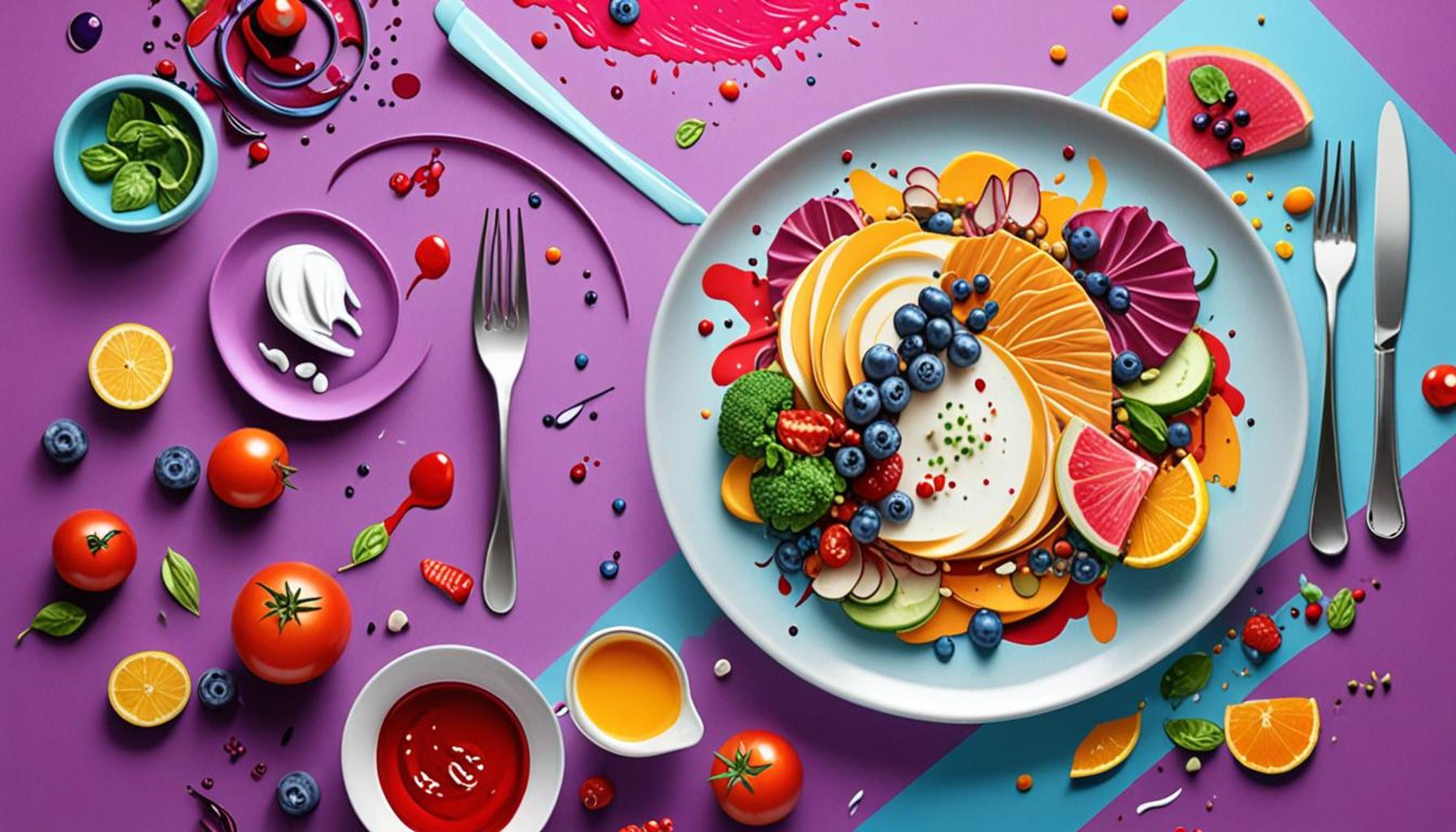
The current trend of minimalism in food presentation emphasizes simplicity and elegance. Using fewer elements can often make a stronger impact than intricate designs. An impeccably seared piece of fish placed on a stark white plate with a single swipe of vibrant sauce allows the dish’s natural beauty to shine through. This approach encourages chefs to focus on quality over quantity, highlighting the flavors of the main ingredient without unnecessary distractions.
Interactive Dining Experiences
Incorporating interactive elements in food presentation can make the dining experience not only visually appealing but also engaging. Dishes that build themselves at the table, like deconstructed tacos where diners assemble their ingredients, provide a personal touch while emphasizing the visual allure of each distinct component. By allowing diners to interact with their food, restaurants can create a sense of connection and enjoyment, transforming the act of eating into a multisensory adventure.
Incorporating these innovative concepts into food presentation opens the door to new possibilities. As chefs and home cooks explore the art of presenting their meals, the combination of creativity, technique, and storytelling can elevate dining into an unforgettable experience. The value of a well-presented dish is immeasurable, turning a simple meal into a piece of culinary art that resonates with both the palate and the eyes.
DISCOVER MORE: Click here to learn how performing arts can raise awareness
Conclusion: The Culinary Canvas Awaits
The journey through presentation techniques for dishes reveals that the artistry of cooking goes beyond flavor; it encompasses the visual allure that can captivate and engage diners. By embracing methods such as temperature contrasts, plating movement, thematic representations, minimalist designs, and interactive experiences, chefs and home cooks alike can elevate their culinary creations into stunning visual feasts.
In a world where first impressions are crucial, the importance of presentation cannot be overstated. The artful arrangement of ingredients provides an invitation to savor—and it can often dictate the initial response to a dish. Culinary experts emphasize that a thoughtfully presented meal not only enhances the dining experience but can also leave lasting memories. Each plate becomes a canvas, where the choice of colors, shapes, and layouts tells a story and engages the diner in a more profound way.
As innovative techniques continue to evolve, the possibilities for food presentation are endless. Whether aiming to evoke nostalgia with a themed dish or to astonish with modern minimalist styles, the intersection of art and food presents both a challenge and an opportunity for creativity. By discovering and applying these presentation strategies, everyone— from seasoned chefs to budding home cooks—can take their meals to new heights, ultimately transforming everyday cuisine into masterpieces worthy of admiration and discussion.
In conclusion, the culinary landscape invites you to explore the vast realm of food presentation. Experiment, discover, and indulge in the creativity that can turn any dish into a work of art, making every meal an experience to remember.