Music as a Tool for Self-Expression: Discovering Your Voice Through Personal Compositions
Unleashing Creativity Through Sound
Music is more than mere entertainment; it serves as a powerful medium for self-expression and a profound avenue for personal exploration. For many individuals, personal compositions become a channel through which they can articulate emotions, thoughts, and experiences that often elude verbal expression. From an impromptu melody whistled on a quiet evening to a meticulously crafted song shared with the world, music holds the potential to resonate deeply within both the creator and the audience.
Consider the benefits of using music as a form of expression:
- Emotional Release: Engaging with music can lead to a significant emotional release. For instance, songwriters often find that pouring their feelings into lyrics serves as a healthier coping mechanism for grief or anxiety. The late American musician, Kurt Cobain, channeled his personal struggles into powerful anthems that resonated with a generation. Creating music acts as a means to process complex emotions, transforming pain into art.
- Identity Exploration: Composing personal pieces can illuminate aspects of one’s identity. A teenager navigating the challenges of adolescence might document their journey through songs, thereby articulating their thoughts on love, acceptance, and self-discovery. Music genres, such as hip-hop, folk, and punk, often reflect cultural experiences, allowing artists to express their backgrounds and personal influences, which can help listeners find solace in shared narratives.
- Connection Building: Sharing music fosters community and social bonds among diverse groups. Collaborating on musical projects or participating in local open mic nights can help individuals forge connections. For example, community events in American cities, like Nashville’s Music City Walk of Fame, provide a platform for local artists to perform and connect with enthusiastic audiences, reinforcing the unifying power of music.
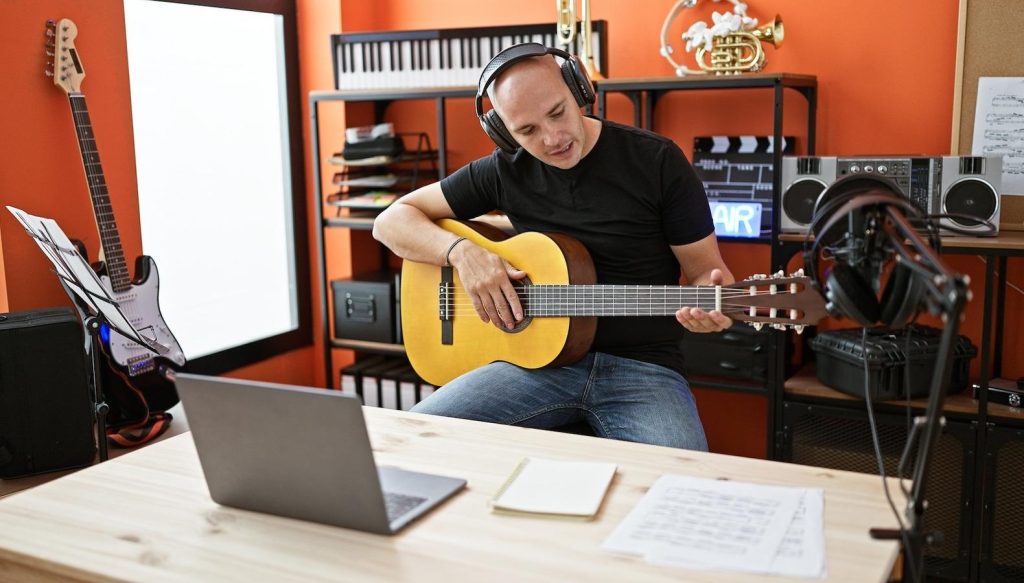
For many aspiring artists, the journey towards finding their voice often begins in their own living rooms or bedrooms. With the rise of affordable music technology, individuals can easily record and produce their sounds. Whether you strum a guitar, sit at a piano, or use cutting-edge digital tools, the possibilities for creating personal compositions are truly limitless. Platforms like SoundCloud and Bandcamp allow artists to share their creations broadly, inviting feedback and fostering growth.
In this article, we delve into how composing music can transform your self-expression and provide practical guidance on discovering your unique sound. We will explore various tools and resources—ranging from mobile apps to online courses—that can aid in your musical journey. Additionally, we will spotlight inspirational stories from musicians who started from humble beginnings. By unlocking the potential of your own voice, you can begin to weave your narrative into the world’s soundtrack.
DIVE DEEPER: Click here to discover how writing groups can boost your skills
Finding Your Unique Sound
Embarking on the journey of self-expression through personal music compositions begins with a fundamental question: What stories do you want to tell? This exploration often leads individuals to discover their unique sound—a blend of influences, emotions, and experiences that shape their musical identity. Whether you are an experienced musician or a complete novice, tapping into your creative potential can yield captivating results that reflect your true self.
The process of composing music not only invites self-reflection but also ignites the imagination. It allows artists to blend genres and stylistic elements that resonate with them personally. Here are some fundamental aspects to consider when beginning your musical experimentation:
- Embrace Your Influences: Every musician has their influences, from classic rock legends like Jimi Hendrix to contemporary pop stars like Billie Eilish. Identify the artists who inspire you and analyze why their music speaks to you. Is it their emotional lyrics? The way they play their instruments? Understanding these elements can guide you in finding your stylistic voice.
- Experiment with Different Instruments: Don’t limit yourself to just one instrument. Try playing the piano, guitar, or even digital samples. Each instrument provides a distinct voice and brings unique textures to your compositions. Experimenting can not only expand your musical skills but also open new avenues for creativity.
- Write from Experience: Personal stories are often the most powerful source of inspiration. Use your life experiences—whether they are joyful moments, heartbreak, or adventure—as the foundation for your lyrics and melodies. Reflecting on these moments through music can create a genuine connection with your audience.
- Structure and Form: Familiarize yourself with different musical structures and forms, such as verse-chorus-verse or AABA arrangements. Understanding the craft behind composition will allow you to write more cohesively. However, do not feel confined by traditional structures; feel free to break the rules and invent your own formats.
As you cultivate your artistic voice, leveraging technology can also play a significant role. Advanced software programs like Ableton Live and GarageBand allow musicians to experiment with electronic sounds, explore sampling, and create intricate layers of music—all from the comfort of home. With social media platforms increasingly prioritizing musical content, artists can share their work widely and engage with listeners instantly. Be it through TikTok’s viral trends or Instagram’s “Reels” feature, modern tools enable musicians to reach new audiences and receive immediate feedback on their compositions.
Moreover, countless online communities exist where emerging artists exchange ideas, collaborate, and support one another’s creative journeys. Platforms such as Reddit’s r/Songwriters or music forums on Discord provide spaces where you can share compositions, seek advice, or discuss challenges faced in songwriting. Engaging with others who share your passion can be incredibly motivating and transformative, amplifying the joys of creating music.
In the following sections, we will delve deeper into specific tools and resources that can help you enhance your music composition skills. Additionally, we’ll showcase inspiring narratives of individuals who found their voice through personal compositions, encouraging you to embark on or continue your own musical journey.
| Advantages | Description |
|---|---|
| Emotional Release | Composing music allows individuals to express feelings that might be difficult to articulate. This cathartic experience can lead to an overall sense of relief and self-awareness. |
| Creative Exploration | Personal compositions foster an environment for innovation, encouraging the exploration of unique styles and genres, ultimately enhancing one’s artistic skills. |
| Confidence Building | Creating and sharing music boosts confidence, as individuals step out of their comfort zones, showcasing their individuality through artistic expression. |
| Community Engagement | Music connects people; by sharing compositions, individuals form connections with like-minded enthusiasts, fostering a sense of belonging and support. |
In today’s fast-paced world, the significance of music as a tool for self-expression cannot be overstated. By understanding how personal compositions can serve as a transformative outlet, individuals not only discover their unique voices but also enrich their lives on multiple levels. Through emotional release, creative exploration, and community engagement, they tap into the profound power of music, paving their path to both personal and artistic growth. Whether it’s through penning lyrics or crafting melodies, the journey of musical composition opens up a realm of self-discovery that resonates deeply with the soul.
DON’T MISS: Click here to delve into the power of letter writing
The Joy of Collaborative Composition
While self-expression is often a solitary pursuit, collaborating with other musicians can greatly enhance your creative journey. Collaboration not only allows you to merge different perspectives, but it also fosters an environment ripe for innovation. When musicians come together, each individual brings unique experiences and artistic insights that can spur fresh ideas and inspire unexpected musical directions.
Collaboration can take many forms, from informal jam sessions with friends to more structured partnerships with fellow songwriters. The beauty of collaboration lies in the learning opportunities it presents. Working alongside other musicians can expose you to new techniques, genres, and creative workflows that you might not have encountered otherwise. This exchange can challenge your default songwriting strategies and push you to evolve as an artist.
- Form a Songwriting Group: Consider establishing a regular meeting with a group of like-minded individuals passionate about composing music. These gatherings can serve as a brainstorming hub where ideas flow freely, and constructive feedback is encouraged. The camaraderie developed through collaboration can also help combat the loneliness that sometimes accompanies the creative process.
- Attend Workshops and Retreats: Numerous music workshops and retreats cater to all skill levels, often with a focus on collaboration. These events provide opportunities to learn directly from accomplished musicians and industry professionals while connecting with peers who share similar aspirations. Engaging in such immersive experiences can inspire and reinvigorate your passion for music.
- Use Online Platforms for Collaboration: Platforms like SoundBetter, Kompoz, or Splice are tailored for musicians looking to collaborate remotely. Here, you can connect with artists from across the globe, exchange ideas, and even work on tracks together in real time. This digital shift allows for a broader range of musical exploration, as diverse cultural influences are easily accessible.
Aside from collaboration, another effective method of enhancing your self-expression through music is incorporating storytelling techniques into your compositions. Much like authors craft narratives, songwriters can weave intricate stories through their lyrics and melodies. This approach not only adds depth to your music but helps listeners connect with your experiences on a personal level.
To enrich your storytelling skills, consider exploring different literary techniques such as imagery, metaphors, and symbolism. Crafting vivid scenes or emotions within your songs can take your music to another level. For example, using imagery to describe a sunset may evoke a sense of nostalgia, while employing metaphors can reveal deeper meanings within your life experiences. By honing these skills, you’ll be able to convey the nuances of your story, engaging your audience in a more profound way.
Moreover, don’t forget to document your journey. Keeping a journal of your thoughts, feelings, and musical compositions can be an invaluable resource. This practice not only serves as a means of reflecting on your progress but can also be utilized as inspiration when you find yourself in a creative rut. Reconnecting with past ideas and emotions can reignite your passion for music and help you develop a clearer vision for your next composition.
As you delve into the world of personal compositions, remember that each piece of music you create is a unique expression of your thoughts and experiences. Embrace the process, foster connections with other artists, and always strive to further articulate your voice in the music you produce.
DON’T MISS: Click here to discover the mental health benefits of arts and crafts
Conclusion: Embracing Your Musical Journey
In conclusion, music as a tool for self-expression offers an invaluable avenue for individuals to connect with their innermost thoughts and feelings. The process of crafting personal compositions not only enables you to articulate your experiences but also creates a bridge between your emotions and your audience. Incorporating storytelling techniques can further deepen this connection, allowing you to engage listeners in a more profound, relatable manner.
Collaboration is another vital aspect that adds richness to your musical journey. By sharing ideas and embracing diverse perspectives, you can push your creative boundaries and explore new territories. Whether it’s through forming a songwriting group, participating in workshops, or leveraging online platforms, joining forces with other musicians can spark innovation and inspire growth in your artistry.
Moreover, documenting your creative process and reflecting on your evolution can serve as a powerful motivational tool. It allows you to trace your journey, recognize patterns in your creativity, and revive your passion when inspiration wanes. As you embark on your own adventure in music composition, remember that each note you write brings you closer to discovering your unique voice.
Ultimately, embrace the idiosyncrasies of your style, explore the joys of collaboration, and let your compositions resonate with authenticity. By doing so, you not only enrich your own life but also contribute to a larger tapestry of shared experiences in the realm of music. Discovering your voice through personal compositions is more than just an artistic endeavor; it’s a journey toward self-awareness and connection that unites us all through the universal language of music.