How the performing arts can serve as a tool for empowerment for youth in marginalized communities
Understanding the Transformative Power of the Performing Arts
The performing arts have the unparalleled ability to inspire and transform lives, especially for youth in marginalized communities. Through vibrant expressions in theater, dance, and music, young people can discover their unique voices, effectively articulate their emotions, and cultivate a sense of agency that is often absent in their daily lives. Beyond mere entertainment, these art forms serve as essential tools for empowerment and social change.
One of the most significant advantages of engaging in performing arts is self-expression. For many marginalized youth, traditional outlets for expression can be limited or non-existent, leading to feelings of isolation or frustration. Programs focused on creative arts provide a safe space where young individuals can share their stories, confront their struggles, and explore themes that resonate with their lived experiences. For example, youth-led theater groups often create original plays that portray their community’s stories, enabling participants to transform personal and collective challenges into compelling narratives on stage.
The community-building aspect of the performing arts cannot be overlooked. Collaborative projects foster relationships among peers who may come from different backgrounds but share common aspirations. When young people work together to create a performance, they develop not just artistic skills but also social bonds that encourage mutual support and respect. This sense of belonging is crucial, especially in cities like Chicago and Philadelphia, where arts education programs unite youth from diverse neighborhoods, nurturing friendships and collaborations that extend beyond the stage.
Skill development is another critical benefit of engaging in the performing arts. From honing public speaking abilities to learning the discipline required for mastering a dance routine, participation in these activities cultivates valuable life skills. For instance, young performers often gain confidence through practice and feedback, translating to improved academic and professional prospects. Participate in a local music ensemble or dramatic production, and individuals may emerge more prepared to face challenges and advocate for themselves in various contexts.
Research consistently indicates that combining artistic practices with community engagement can significantly enhance resilience and instill a sense of hope among at-risk youth. Initiatives, such as youth radio stations in Detroit or community-based dance studios in Atlanta, showcase the transformative potential of creative expression. By providing access to the arts, these programs not only build skills but also contribute to improved mental health and self-esteem among participants.
As we delve deeper into the intersection of performing arts and empowerment, it becomes clear that creativity is a powerful catalyst for change. Recognizing the inherent value of youth voices and the diverse narratives that surface when they take center stage is crucial. Every performance is an opportunity to amplify these voices, fostering a culture of understanding and acceptance that extends to audiences and beyond.
DISCOVER MORE: Click here to enhance your self-esteem through creative writing
Harnessing Creativity for Change
The vitality of the performing arts lies not only in their capacity to entertain but also in their profound potential to serve as a means of empowerment for youth in marginalized communities. These art forms create pathways for young individuals to reclaim their narratives and reshape their futures. This engagement fosters important changes in their self-perception and provides invaluable skills that can lead to better life outcomes.
One of the most impactful aspects of participation in performing arts programs is the acquisition of emotional intelligence. Engaging in activities such as acting, singing, or dancing encourages youth to explore and understand their emotions as well as those of others. This heightened awareness promotes empathy and the ability to articulate feelings—traits that are crucial for effective communication and personal growth. Studies suggest that youth who engage in artistic endeavors are often more adept at navigating social situations, which can significantly enhance their interactions both in their communities and later in professional environments.
Moreover, the performing arts provide a unique platform for advocacy and activism. By exploring social issues through the lens of performance, young artists can shine a light on the challenges facing their communities. These performances can address themes such as poverty, inequality, and systemic discrimination, enabling youth to express their frustrations and dreams. Initiatives like the “Theater of the Oppressed” have empowered young people to depict their societal contexts, providing them with a voice that resonates not only within their communities but also on larger stages. Such platforms allow their stories to be heard, fostering awareness and igniting change.
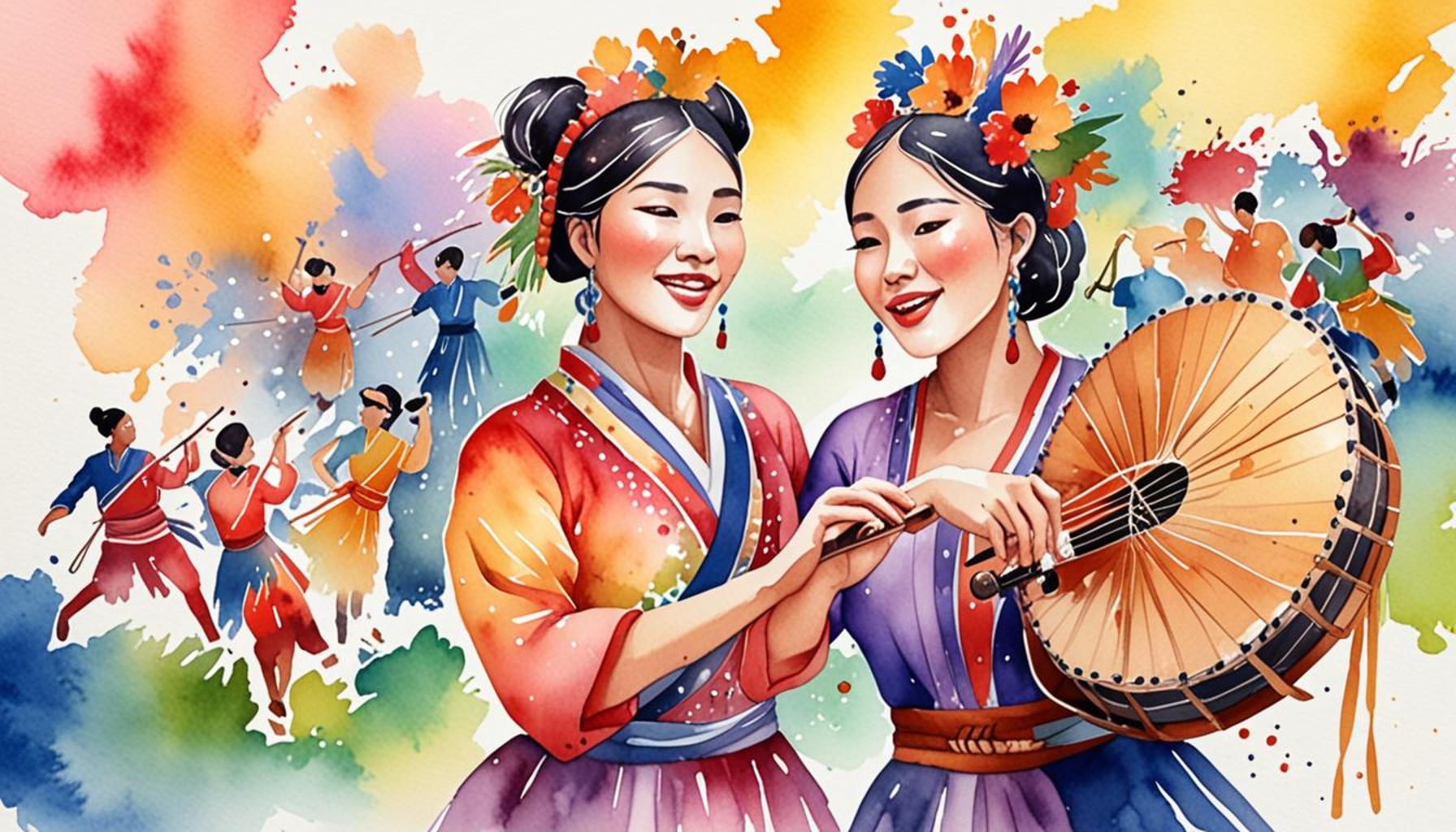
Participation in the performing arts also encourages cultural expression, which is essential for youth in diverse communities. Many programs celebrate and incorporate cultural traditions into their performances, allowing young people to connect with their heritage and instill a sense of pride in their backgrounds. This cultural representation fosters inclusivity, acceptance, and a deeper understanding of diversity among participants. When youth feel that their cultural identities are valued, they are more likely to embrace their uniqueness and contribute positively to their communities.
To further illustrate the multifaceted impact of the performing arts on youth empowerment, consider the following key benefits:
- Identity Exploration: Youth engage in discovering their personal and cultural identities, promoting self-acceptance.
- Skill Development: Participants gain vital skills such as teamwork, discipline, and reliability, which can translate to academic and career success.
- Community Engagement: By participating in performances that speak to local issues, youth strengthen their connection to their surroundings.
- Support Networks: The collaborative nature of arts projects fosters friendships and support among peers, creating a nurturing environment.
The tangible benefits of these programs underline their critical role in building resilience among youth. As we continue to explore the transformative potential of performing arts, it becomes increasingly evident that access to these creative outlets can empower marginalized youth, giving them the tools they need to dream, innovate, and lead their communities toward positive change.
The performing arts are not only a form of creative expression; they are a vital tool for empowerment, especially for youth in marginalized communities. This segment explores the mechanisms through which these art forms foster personal development, build resilience, and promote social change.
Participating in theater, dance, music, and other performing arts activities allows young people to discover their voices. Creative expression through performance enables individuals to share their stories, struggles, and aspirations, providing a platform for dialogue and healing. In communities where silencing or marginalization occurs, the performing arts become a powerful form of resistance and reclamation. Youth can articulate their narratives, confront social injustices, and foster a sense of belonging. This is particularly important as it builds the self-esteem and confidence necessary to navigate the complexities of their environments.
Moreover, engaging with the performing arts cultivates essential life skills. Young performers learn discipline, teamwork, and problem-solving while participating in shows or group projects. These skills not only prepare them for artistic careers but also equip them for various future endeavors. The ability to work collaboratively, take directions, and respond positively to feedback creates valuable citizens who can contribute to their communities effectively.
Opportunities within the performing arts sector can also lead to socio-economic advancement. Arts education programs and community theater initiatives open doors to scholarships, internships, and job prospects, creating pathways for success. As youths enhance their talents, they not only gain exposure to professional settings but also create networks of support and mentorship that can have enduring impacts on their lives.
Finally, the sense of pride and identity derived from cultural performance strengthens community bonds. When youth engage in the arts, they often celebrate their heritage and cultural narratives, fostering a collective identity that uplifts the entire community and encourages active participation in societal themes.
In summary, the performing arts play a significant role as a catalyst for empowerment among youth in marginalized communities, offering a life-changing experience that goes beyond mere entertainment.
| Category | Description |
|---|---|
| Self-Expression | Allows youth to share their stories and confront social issues through performance. |
| Skill Development | Promotes discipline, teamwork, and problem-solving, preparing youth for various careers. |
| Cultural Heritage | Strengthens identity and community bonds, celebrating heritage through artistic expression. |
DISCOVER MORE: Click here to learn about collaborative writing
Building Bridges Through Collaboration
The transformational power of performing arts extends beyond individual empowerment; it also plays a critical role in fostering collaboration and cultivating community ties among marginalized youth. Many programs now incorporate a multidisciplinary approach, merging various forms of art—such as theater, dance, music, and visual arts—allowing participants to draw from each other’s talents and perspectives. This cross-pollination not only enriches the artistic work produced but instills a strong sense of belonging, encouraging youth to engage deeply with one another.
Collaboration in the arts cultivates essential life skills, such as problem-solving and negotiation. When young individuals engage in group performances or co-create projects, they learn to navigate differing opinions, share responsibilities, and compromise on creative choices. Research has shown that these collaborative experiences enhance critical thinking abilities, which are invaluable in both academic settings and future workplace environments. For instance, students involved in collaborative performing arts programs are more likely to excel in group assignments and display enhanced leadership qualities.
The experience of performing in front of live audiences serves as another powerful aspect of empowerment. Public performance helps mitigate fears associated with self-expression and provides youth with opportunities to showcase their creativity. Events such as open mic nights or community theater productions not only celebrate the talent within marginalized communities but also create occasions for youth to be recognized and appreciated by their peers and local residents. This public affirmation can significantly uplift their self-esteem, allowing them to envision a future in which they contribute positively to society.
Moreover, performing arts initiatives often integrate a strong emphasis on mental health and well-being. Programs frequently include workshops that encourage participants to explore the therapeutic aspects of creative expression. Engaging in art allows youth to process trauma or emotional distress they may be experiencing, providing a healthy outlet for their feelings. The incorporation of mindfulness practices, such as movement therapy or guided improvisation, can offer additional support, enabling young people to cope more effectively with life’s challenges. Reports indicate that such interventions can reduce anxiety and promote resilience among participating youth.
In addition to personal development, performing arts programs also aim to create a ripple effect within the broader community. Initiatives that involve performance arts can act as a catalyst for social change, linking young artists with community organizations and local stakeholders. Partnerships with schools, cultural institutions, and non-profits can lead to greater resources and support for underserved youth. These connections can also foster conversations around pressing issues like educational disparities, access to healthcare, and community safety, which are prevalent in marginalized environments.
For example, the “Project Youth” program in Los Angeles has successfully used theater to engage youth in discussions surrounding gang violence and systemic racism. By not only performing but also engaging audiences in dialogue, participants can dissect complex social issues, generating critical awareness and advocacy within their communities.
Overall, performing arts empower youth not merely through individual expression but through community building and collective action. As they learn to voice their concerns while also collaborating on shared goals, they emerge as confident leaders, skilled negotiators, and advocates for change. By recognizing and harnessing this power, we pave the way for a generation that is more resilient, empathetic, and unified in its pursuit of social equity.
DIVE DEEPER: Click here to uncover the power of letter writing
Empowering Communities Through the Performing Arts
In conclusion, the performing arts stand as a formidable vehicle for empowerment among youth in marginalized communities. By facilitating creative expression and fostering collaboration, these programs not only nurture talent but also build essential life skills. The exposure to public performance cultivates confidence, while the integration of mental health support enhances emotional resilience, offering young people a pathway to process their experiences and aspirations.
The transformative impact of performing arts extends to entire communities, igniting discussions on critical social issues and inspiring youth to become active participants in advocating for change. Through partnerships with local organizations and community stakeholders, these initiatives create a network of support that amplifies their reach and sustainability. Programs like “Project Youth” exemplify how the arts can catalyze conversations around complex issues such as systemic racism and community violence, urging both participants and audiences to reflect and engage.
As we recognize the potential of the performing arts, it becomes clear that investing in such programs is crucial for fostering a generation that possesses not only artistic talents but also a profound sense of agency and purpose. By empowering youth to express themselves creatively while encouraging collaboration and community involvement, we help shape compassionate leaders who are motivated to drive positive change. Thus, harnessing the vibrancy of performing arts is not merely an enrichment of culture but a pivotal step forward in promoting social equity and resilience within marginalized communities.