Effective Home Decluttering A Beginners Guide to Minimalism
Introduction
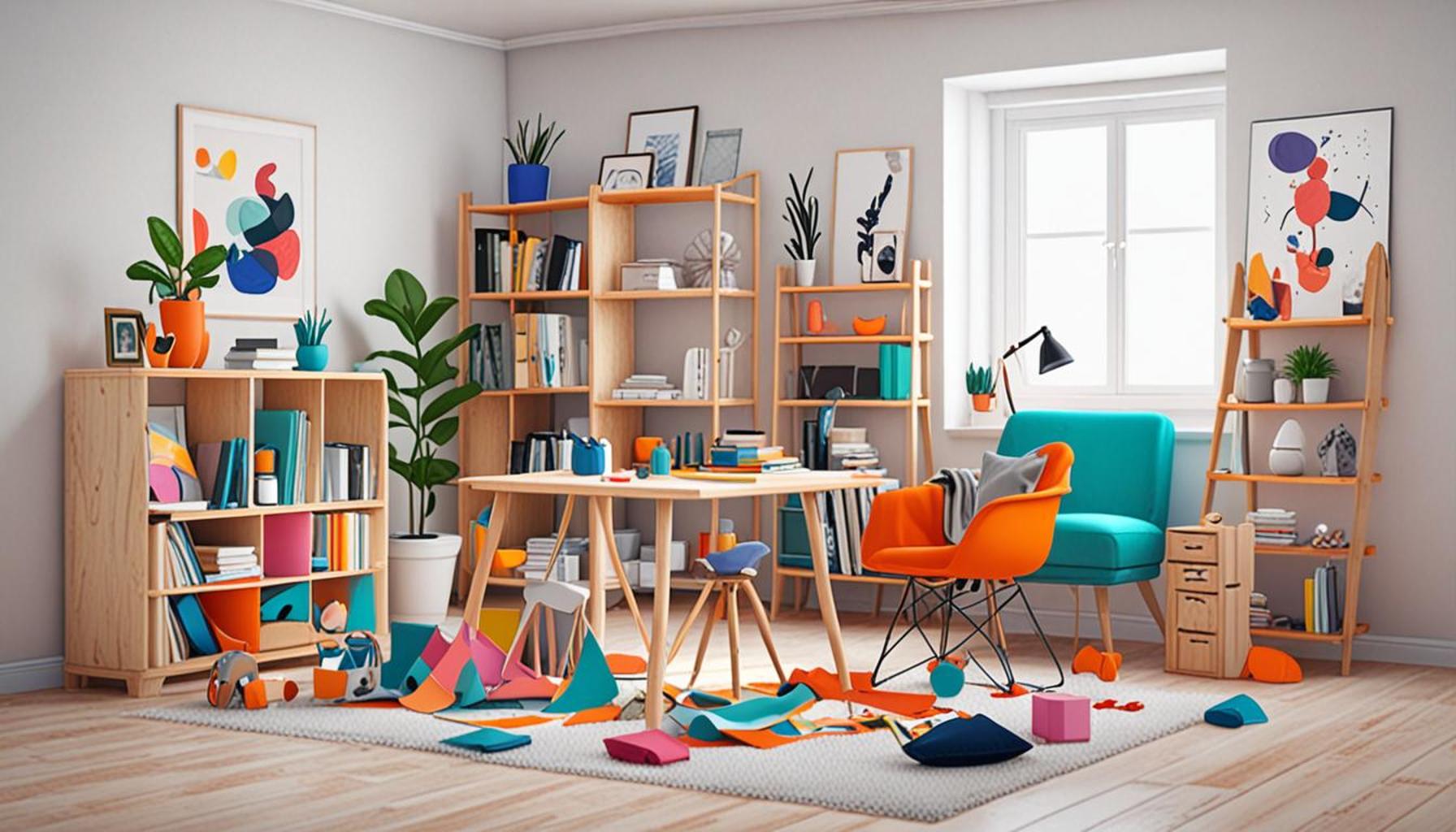
In a world increasingly filled with distractions and material possessions, the pursuit of a simplified life has become paramount for many individuals. The philosophy of minimalism encourages us to strip away the unnecessary and focus on what truly matters, not just in our living spaces but also in our minds. By effectively reducing clutter, we can enhance our overall well-being and create a more peaceful home environment.
Understanding how to declutter is an essential aspect of embracing minimalism. It serves as both a practical approach to personal organization and a transformative lifestyle change. This guide aims to equip beginners with strategies that foster a sense of calm and purpose, paving the way for a more intentional living experience.
In this article, you’ll discover our Top 5 effective strategies for reducing clutter at home, each designed to be straightforward and manageable. Let’s embark on this journey to declutter your space and, in turn, enrich your quality of life.
Top 5 Effective Strategies for Reducing Clutter at Home: A Practical Guide for Minimalism Beginners
In the modern world, where consumption often eclipses necessity, minimalism emerges as a sanctuary for those yearning for simplicity and intention. Many individuals are inspired to embark on the journey of minimalism, seeking to strip away the superfluous and embrace a life filled with meaning rather than things. Central to this lifestyle shift is the art of decluttering, a task that can seem daunting but is critical for achieving the serenity and clarity that minimalism promises.
This guide lays out the top five strategies for reducing clutter, particularly designed for those starting out in their minimalist quest. These strategies are ranked from the least effective to the most transformative, allowing beginners to ease into the process and gradually build confidence. Let’s explore these strategies, each offering its own unique approach to creating a more serene home environment.
5. The 5-Second Rule
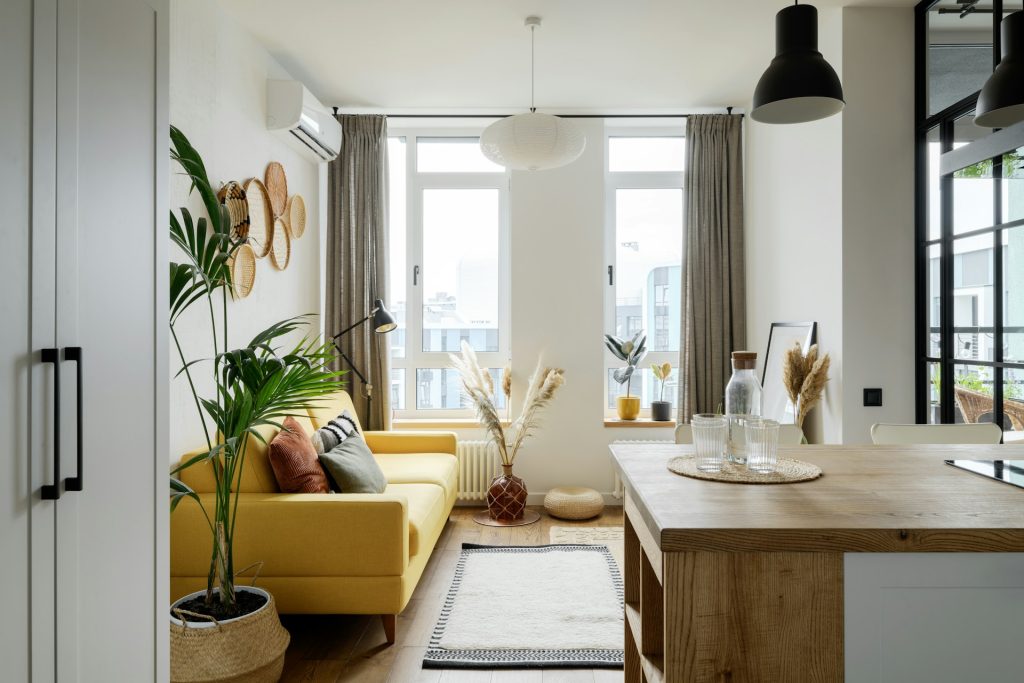
The 5-Second Rule is a powerful mind trick, leveraging the speed of decision-making to aid decluttering. This method challenges you to assess an item in just five seconds and decide: Does it bring joy or is it useful?
This rule is not about rash decisions but rather honing the ability to trust your instincts. It’s particularly effective in spaces prone to overlooked clutter, like closets and storage rooms. If you hesitate to find value or joy in an item within those five seconds, it is likely an unnecessary weight in your life. This strategy allows you to swiftly sift through belongings without overthinking or second-guessing, which can often hinder progress.
An example might be a decorative vase sitting on a shelf, rarely noticed or cleaned. If its presence lacks significance or utility, the 5-Second Rule guides you to swiftly determine its redundancy, paving the way for a clearer, more intentional space.
4. One In, One Out Principle
The One In, One Out Principle introduces an ongoing balance to your living environment. By ensuring that each new purchase is paired with the removal of an existing item, this principle sustains equilibrium and prevents accumulation.
This strategy encourages mindful shopping: Do you really need that new book or kitchen gadget? Applying this principle means every introduction into your home has to meet the value and joy of an item you are willing to part from.
For instance, before purchasing a new sweater, you’re prompted to consider which article of clothing you are ready to donate or recycle. This not only maintains physical space but ingrains a habit of conscious decision-making, ultimately shaping your consumption patterns towards minimalism.
3. Set a Timer
Embarking on the decluttering journey can feel overwhelming, but the simple action of setting a timer for 10-15 minutes can transform procrastination into action. This method chips away at clutter, one small increment at a time.
The appeal lies in its simplicity: By focusing on just one area, such as a kitchen drawer or a bookshelf, for a limited duration, the task becomes less intimidating. It plays into the psychology of productivity, wherein a defined ending time prevents endless rummaging or distractions.
With frequent short sessions, you’re more inclined to maintain a rhythm, gradually conquering even the most chaotic spaces. Over time, these bursts accumulate to substantial impact, proving that consistency can achieve more than an overhaul done sporadically.
2. The Four-Box Method
For those who thrive on organization, the Four-Box Method offers a systematic process that alleviates the paralysis of decision-making. By categorizing items into four definitive endpoints, this method facilitates clarity and action.
Imagine standing in a cluttered space with four boxes labeled “Keep,” “Donate,” “Sell,” and “Trash” at your disposal. As you sort through your belongings, you’re compelled to consciously decide each item’s fate. This strategy not only physically clears space but mentally declutters by reinforcing what holds value.
Moreover, it promotes accountability—each filled box requires follow-through, whether donating to charity shops, organizing a garage sale, or responsibly discarding trash. It’s a method that is as liberating as it is structured, driving both immediate and long-term decluttering success.
1. The 90/90 Rule
Topping the list of effective decluttering strategies is the transformative 90/90 Rule. This rule prompts a simple yet profound question: Have I used this item in the last 90 days, and will I use it in the next 90 days?
If your answer is no on both counts, it’s a clear indicator that it may no longer serve a purpose. This duality of past and future utility pushes you to prioritize not just current but forthcoming relevance, helping you keep space for what truly enhances your life.
For example, consider a kitchen appliance that hasn’t seen use in months. If you don’t foresee needing it soon, parting with it frees up valuable kitchen real estate, aligning with minimalism’s ethos of purposeful living.
Implementing the 90/90 Rule cultivates discernment, making it a daily habit to question and reassess possessions. This rule not only declutters but ingrains a lasting mindset of intentionality, helping to maintain a clutter-free environment.
Overall, these five strategies offer multiple pathways towards achieving a more minimalist lifestyle. Each strategy simplifies the complex task of decluttering, transforming spaces through small, consistent steps. Minimalism is indeed a personal journey, inviting you to reshape your surroundings into an intentional space that mirrors the clarity and peace you aspire for in life.
| Category | Description |
|---|---|
| Decluttering Process | Implementing the KonMari Method encourages individuals to assess belongings based on joy, promoting a more intentional selection of items. |
| Mindful Consumption | Practicing mindful purchasing can significantly reduce the influx of new items, enhancing your commitment to a minimalist lifestyle. |
| Space Management | Utilizing vertical storage solutions and multifunctional furniture helps maximize space, making areas feel less cluttered while serving multiple purposes. |
| Routine Maintenance | Establishing a clean-as-you-go habit promotes ongoing tidiness, significantly reducing the buildup of clutter in your home environment. |
The journey toward minimalism can be both exciting and challenging, but several strategies stand out for their effectiveness in reducing disorder at home. The decluttering process begins with the famous KonMari Method, where individuals are urged to assess their belongings based on the joy they bring. This emotional reflection not only streamlines possessions but also fosters a deeper understanding of one’s valuable items.Mindful consumption is another critical aspect. By making conscious purchasing decisions, one can mitigate unnecessary accumulation and reaffirm a commitment to simplicity. It isn’t solely about getting rid of items; it’s also about being selective about what enters your space.Space management is an art in itself, particularly in smaller homes where each square foot counts. Implementing vertical storage solutions and embracing multifunctional furniture can drastically alter the perception of space, creating an airy environment that feels liberated from excess.Routine maintenance embraces the idea of preventive care. Adopting a clean-as-you-go habit can significantly reduce clutter, ensuring that your home remains a sanctuary of order. This proactive approach keeps overwhelm at bay, allowing for a smoother path toward a minimalist lifestyle. Through these categories, the intricate tapestry of minimalism unfolds, inviting individuals to explore further the possibilities of living with less and appreciating more.
Frequently Asked Questions about Effective Strategies to Reduce Clutter and Embrace Minimalism
What is the first step to start decluttering my home for a minimalist lifestyle?
The journey towards minimalism often begins with identifying what truly adds value to your life. A practical way to start is by tackling one room or space at a time. Begin by categorizing your possessions into what you love, need, and those items that neither serve a purpose nor bring joy. This strategy helps in creating a clear vision of what you want your space to represent. Remember that minimalism is as much about the mindset as it is about the physical space. Start small, progress gradually, and you will gain momentum as you go.
How can I maintain a clutter-free home long-term?
Maintaining a clutter-free home is achievable through consistent habits and thoughtful consumption. Always weigh the real necessity of items before purchasing them. As a rule, when bringing in something new, consider removing an existing item to maintain balance. Periodic reviews of your possessions can also help—you might want to set a schedule, like every three or six months, to evaluate your belongings. Remember, continual assessment and an evolving understanding of your needs are key to sustaining minimalism.
Is it possible to practice minimalism with a family?
Indeed, minimalism can be practiced within a family setting. Though it may seem challenging, communication and shared goals play a crucial role. Involve family members in discussions about what minimalism means to each of them and discuss how to implement these principles at home. It is essential to respect personal spaces while fostering shared environments free from excess. Encouraging children or partners to focus on experiences rather than possessions can be a unifying aspect in adopting a minimalist lifestyle.
How does reducing physical clutter impact mental health?
There is a significant connection between physical clutter and mental well-being. A tidy and organized space can create an environment conducive to relaxation and productivity, reducing stress and anxiety. Studies have shown that clean, orderly spaces can promote a sense of control and peace. As you pare down your belongings, you may notice an increase in mental clarity and emotional balance, underscoring the holistic benefits of minimalism.
Can minimalism save money, and if so, how?
Embracing minimalism can lead to financial savings in several ways. With a focus on intentional consumption, you tend to purchase less, which naturally decreases expenses. Additionally, valuing quality over quantity means investing in fewer but longer-lasting items. This shift not only saves money but also supports more sustainable living. By cutting down on impulse buys and opting for essentials, many find that their financial health improves as part of their minimalist journey.
Conclusion
In wrapping up our exploration of effective strategies to reduce clutter at home, it’s clear that adopting a minimalist approach offers transformative benefits for both personal well-being and household management. This guide has walked you through several key strategies, from the importance of starting small and setting realistic goals to developing a consistent decluttering routine.
Main Takeaways
- Start Small: Tackling minor areas first can lead to significant changes over time, making the task less daunting and more manageable.
- Set Realistic Goals: By defining specific, achievable objectives, you stay motivated and on track to a more organized home.
- Consistency is Key: Establishing a regular decluttering routine, whether daily or weekly, helps maintain order and prevents future clutter accumulation.
- Adopt a Mindful Approach: Being mindful of your purchases and possessions helps foster a sustainable minimalist lifestyle.
- Embrace Change: Understanding that minimalism is a gradual process encourages flexibility and openness to discovering what truly adds value.
Minimalism is not just about reducing physical belongings; it’s about creating space, both physically and mentally, for what truly matters. These strategies provide a foundational understanding for beginners eager to embrace this lifestyle. By implementing these steps, you not only enhance the functionality and aesthetics of your home, but also cultivate a more peaceful and focused mind.
In an age of excess, the minimalist approach offers a compelling alternative worth exploring. As you embark on your decluttering journey, consider the profound impact that simplicity and intentional living can have on your everyday life. The journey of minimalism is personal and evolving, inviting continuous learning and adaptation. So, take the first step, and you might find that less truly is more.