Craftsmanship and Technology: How Digital Tools Are Transforming Hand Creation
Craftsmanship Meets Digital Innovation
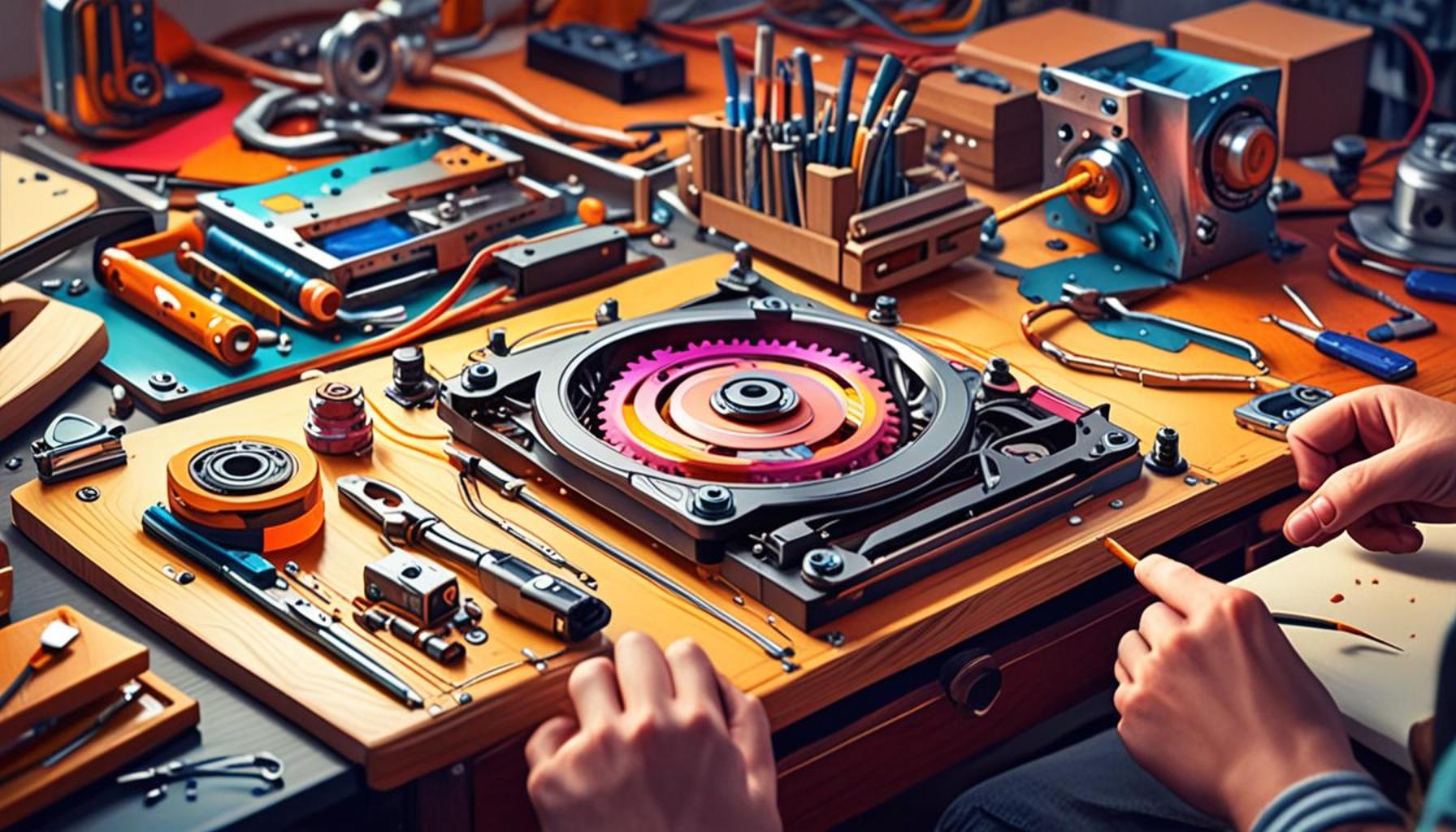
In today’s fast-paced world, the intersection of tradition and technology is reshaping the art of creation. Craftsmanship has long been revered for its focus on skill and tactile engagement, while digital tools offer new avenues for innovation and efficiency. As artisans embrace these changes, the landscape of handmade goods is evolving, presenting exciting new opportunities and challenges that redefine what it means to create.
One of the most notable advancements in this fusion is 3D printing. This technology revolutionizes the way artisans conceptualize and produce their designs. For example, a jeweler can now prototype a delicate ring design in hours rather than the days it would take to handcraft a model. The intricate lattice structures and complex geometries that can be achieved through 3D printing were often unattainable with traditional methods. This capability not only enhances creativity but also allows for personalized items that cater to specific customer desires, increasing overall satisfaction.
CNC machining offers another layer of precision that traditional crafting techniques struggle to match. By using computer-controlled machinery, artisans can create intricate cuts and engravings, seamlessly blending digital designs with traditional materials such as wood, metal, and glass. A woodworker can carve detailed patterns into furniture, giving each piece a unique aesthetic while maintaining structural integrity. This technology exemplifies how art and engineering come together, resulting in high-quality products that tell a story of both human touch and technological prowess.
Another exciting development is digital fabrication. This methodology enables craftspeople to produce items on-demand, drastically reducing waste and allowing for sustainable practices. Instead of mass-producing items that may not sell, artisans can now create and sell only what is ordered. This model not only supports environmental sustainability but also aligns with consumer desires for unique, handcrafted items which reflect individual tastes and preferences.
The rise of online platforms such as Etsy and Shopify has further revolutionized the craft landscape. Artisans from rural areas now have access to global markets, showcasing their goods to a diverse audience. The reach of social media also amplifies this effect, as craftspeople can share their stories, processes, and innovations, building a community around their work. For instance, a potter from Kansas can market their handmade ceramics to buyers in California, vastly increasing their sales potential and customer engagement.
This fusion of craftsmanship and technology not only preserves traditional techniques but also introduces new possibilities for creativity. The rising trend showcases how digital tools can enhance skills, streamline processes, and ultimately transform the approach to hand-made creations. As we explore these advancements further, we will delve into the implications for artisans, the challenges they face in integrating technology, and the exciting future that lies ahead in the realm of hand creation.
The marriage of tradition and innovation provides a dynamic landscape where artisans can thrive, adapt, and inspire. As we venture deeper into this narrative, a wealth of stories surrounding the evolution of craftsmanship unfolds, beckoning us to consider how technology continues to shape the art of creation.
DISCOVER MORE: Click here to learn how the performing arts foster inclusion
Innovative Tools: Redefining the Artisan’s Toolbox
The integration of technology into traditional craftsmanship is not merely a trend; it is a fundamental shift that is reshaping how artisans approach their work. Digital tools such as 3D modeling software, laser cutters, and augmented reality (AR)</strong) are expanding the possibilities for creativity, allowing craftspeople to experiment in ways that were previously unimaginable. For instance, a sculptor can now visualize and modify intricate designs in a virtual environment before committing to physical materials. This ability to visualize potential creations accelerates the design process, making it easier for artisans to refine their ideas and bring them to life.
Moreover, technology facilitates collaboration among artisans and designers, breaking geographical barriers and fostering innovation. Online workshops and collaborative platforms enable creators from different corners of the globe to exchange ideas, share techniques, and co-create stunning pieces that embody a fusion of cultural influences and individual artistry. This collaborative spirit is essential in a world that increasingly values diversity and authenticity in craftsmanship.
As digital tools continue to enhance the artisan’s toolbox, they simultaneously raise important questions about the future of handmade goods. Consider the following aspects:
- Quality vs. Quantity: With the ability to produce items quickly using digital manufacturing methods, there is a tension between the traditional emphasis on the meticulous nature of handwork and the speed of automated processes. Artisans must navigate this balance to maintain the integrity of their craft.
- Sustainability: The potential for reducing waste through digital fabrication techniques aligns with the growing demand for eco-friendly practices. Artisans are now able to implement on-demand production methods that minimize surplus and environmental impact.
- Market Adaptation: As consumer preferences evolve towards personalized and unique products, artisans who leverage digital tools can create bespoke offerings that resonate with individuality. This adaptability positions them favorably in a competitive market.
The challenge for many artisans lies not only in mastering new technologies but also in defining their identity in this altered landscape. As they integrate digital tools into their processes, these creators bring with them deep-rooted traditions and skills that must be honored. The narrative surrounding craftsmanship is then one of adaptation, innovation, and a continuous dialogue between the past and the present.
As we delve deeper into this transformative journey of craftsmanship and technology, it becomes increasingly clear that the future of hand creation is one shaped by collaboration and experimentation. With each new tool that artisans embrace, they enhance their craft, pushing the boundaries of what is possible, while inviting others to share in the experience of creation. This exploration of digital tools not only reflects a changing artistic environment but also poses intriguing questions about the essence of craftsmanship in the 21st century.
Exploring the Intersection of Craftsmanship and Technology
As artisans embrace digital tools, the landscape of traditional craftsmanship is undergoing a remarkable transformation. The integration of technology facilitates an unprecedented fusion of precision and creativity. Craft makers are now leveraging software that allows them to visualize their creations in 3D, pushing the boundaries of design possibilities. This not only enhances the artistic process but also streamlines production, making it more efficient. Manufacturers are witnessing an increased level of collaboration among artisans thanks to digital platforms. These platforms enable artisans to share techniques, access tutorials, and even sell their work globally, fostering a vibrant community of makers. Each digital interaction paves the way for innovative ideas, leading to new craft trends that maintain the rich heritage of hand creation while embracing modern conveniences.Moreover, automation has made its entry into workshops, where machines work alongside artisans. For example, laser cutters and CNC routers provide the ability to craft intricate designs with unparalleled accuracy, eliminating many time-consuming manual processes. However, the human touch remains irreplaceable, emphasizing the importance of hands-on craftsmanship in creating unique and personal pieces.Digital tools also enhance the ability to source sustainable materials, encouraging eco-friendly practices that align with contemporary consumer values. Tracking materials’ origin and ensuring ethical sourcing have never been easier, making responsible craftsmanship more achievable. The implications of this synergy are profound, reshaping not just the crafts themselves but also the way consumers perceive handmade goods. Many people now seek authentic stories behind the products they purchase, creating a demand for transparency that digital platforms can fulfill. As technology continues to evolve, the craft community’s adaptability to these changes will dictate the future of making, highlighting the balance of tradition and innovation. To further delve into this fascinating evolution, we can look at specific examples of artisans who have successfully blended craftsmanship with cutting-edge technology, showcasing the exciting new horizons in the world of hand creation.
| Category | Advantages |
|---|---|
| Digital Design Tools | Enable precise visualizations, expanding creative possibilities. |
| Sustainable Sourcing | Facilitates tracking and ensuring ethical use of materials. |
DISCOVER MORE: Click here to dive into the science of cooking
Personalization and Consumer Engagement: A New Era of Craft
In today’s marketplace, the value of personalization cannot be overstated. Consumers are increasingly seeking products that reflect their individual tastes and preferences, creating an opportunity for artisans to offer bespoke creations through the use of digital tools. With the advancement of customization software, artisans now have the ability to craft personalized items that cater to specific customer desires. For example, jewelry designers can incorporate client-inspired designs into their pieces, utilizing software to visualize modifications in real-time, ensuring customer satisfaction before the finishing touches are made.
This shift toward personalization is also facilitated by the rise of e-commerce platforms tailored for artisan goods. These platforms empower artisans to showcase their work globally, enabling direct communication with consumers. This interaction not only builds a community around the craft but also empowers artisans to gather feedback and make informed decisions about their creations. As a result, they can tailor their offerings and nurture lasting relationships with clients.
Additionally, the advent of social media allows artisans to share their journeys with a wider audience, showcasing the intersection of craftsmanship and technology. Platforms such as Instagram and Pinterest become vital tools for artisans to present their work, document processes, and engage with followers in real-time. Video platforms allow for the demonstration of techniques, providing insight into the craftsmanship behind each item. This level of transparency enhances consumer trust and creates a narrative that connects the artisan’s skill with the end product.
Sector-Specific Innovations
Different sectors of craftsmanship are reaping specific benefits from the adoption of digital tools. In woodworking, for instance, digital design software allows for precision and complexity that would be challenging to achieve by hand alone. Arts and crafts education has also evolved; institutions are now embracing technology-driven curriculums that blend traditional techniques with modern practices, ensuring that the next wave of artisans is well-rounded and adept in both realms.
Moreover, in the realm of textile design, digital printing technology enables designers to create intricate, multicolored patterns that can be produced on-demand. This method significantly reduces overproduction and waste, which is increasingly crucial in a consumer market that values environmental responsibility. Such innovations not only elevate the aesthetic appeal of handcrafted items but also reflect a commitment to sustainable practices.
Challenges in Integration
While the advantages of integrating technology into craftsmanship are clear, it is not without challenges. Learning to navigate new digital tools requires time and resources that some artisans may not have readily available. For example, older craftspeople may struggle with adopting new technologies, feeling a disconnect from their traditional methods. This introduces an important dialogue about how artisans can maintain their unique identities in a rapidly changing landscape.
Furthermore, as artisans increasingly utilize digital tools, there is the risk of homogenization in the market. As more creators adopt similar software and techniques, products may start to lose their unique character and personal touch, undermining the essence of what makes handcrafted goods special. Therefore, artisans must strive to balance technology’s efficiency with their individual craftsmanship to retain the soul of their creations.
Ultimately, as artisans embrace these digital tools, they are forging a new pathway that encourages both innovation and tradition. The spectrum of craftsmanship is broadening, inviting new voices and approaches while respecting the rich history of hand creation.
DISCOVER MORE: Click here to learn how handicrafts empower communities
Conclusion: Embracing a New Crafting Paradigm
As we navigate this dynamic landscape of craftsmanship intertwined with technology, it becomes clear that digital tools are not merely augmenting traditional methods but reshaping the very essence of hand creation. Artisans are harnessing the power of customization software, e-commerce platforms, and social media to create a more engaged and personalized experience for consumers. This represents a profound shift where the fusion of art and innovation cultivates a new era of craft, making unique creations accessible to a broader audience while simultaneously prioritizing environmental sustainability.
However, this evolution comes with challenges that demand attention. The risk of losing the distinctiveness of handcrafted goods looms as digital tools become more prevalent. To counteract this, artisans must remain vigilant in preserving the authenticity that defines their work. Striking a balance between adopting new technologies and nurturing traditional techniques is essential for sustaining the unique identities of crafts.
As we look toward the future, it is fascinating to envision how further advancements in digital craftsmanship will continue to blur the lines between maker and consumer. This interplay will nurture creativity, encourage innovation, and ultimately redefine the value we place on handmade items in our increasingly digitized world. By embracing change while respecting the rich heritage of craftsmanship, artisans are positioned to thrive in an era that honors both the old and the new. The craft, as we know it, is not just surviving; it is evolving, inviting all to witness the beautiful transformation at hand.