Craft Techniques from Different Cultures: A Journey Around the World
The Essence of Craft: Celebrating Global Traditions
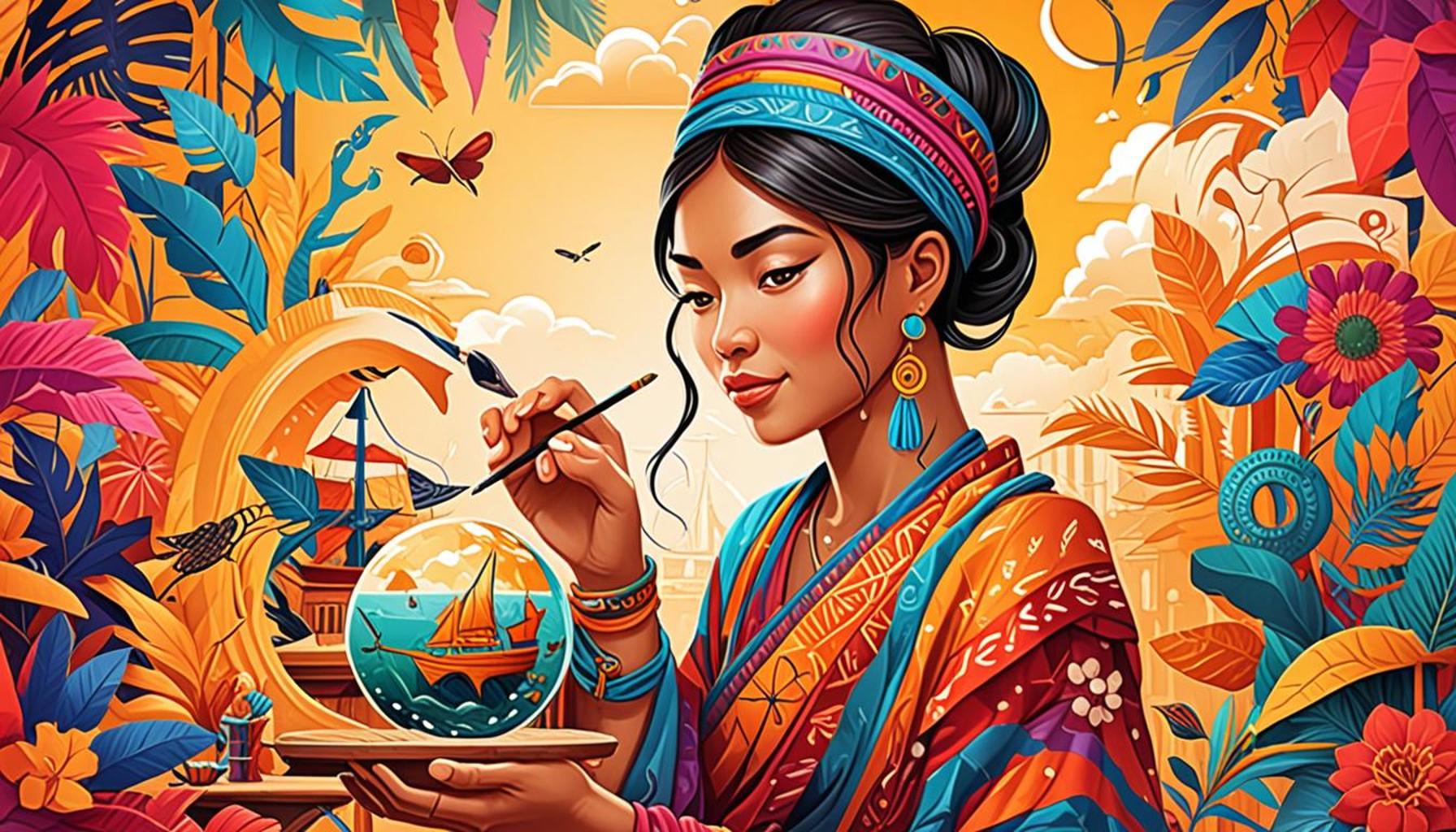
Across the globe, cultures have expressed their identities through craft techniques that tell unique stories, weaving together history, symbolism, and the spirit of a community. From ancient traditions to contemporary practices, these crafts reflect not only the resources available in their regions but also the artistry and creativity of their people. As we delve deeper into the fascinating world of craftsmanship, we uncover incredible skills honed over generations, turning simple materials into objects of beauty and meaning.
Each culture possesses distinct methods and materials, leading to a stunning array of craft forms. For instance:
- Japanese Origami: This intricate art of paper folding transforms simple sheets into beautiful designs, often mimicking natural elements like cranes and flowers. The precision and patience required highlight the profound connection between nature and art in Japanese culture. Notably, origami has also found its way into the fields of engineering and design, inspiring innovations from complex structures to even space exploration.
- Indian Pottery: Traditional techniques create vibrant, hand-painted earthenware that not only serve practical purposes but also narrate folklore through their designs. Regions like Rajasthan and Gujarat are particularly famous for their pottery, where artisans apply skills passed down through generations to produce striking works that showcase their cultural heritage.
- Mexican Textiles: The rich tapestry of vibrant weavings and embroidery is a celebration of color and pattern, often depicting stories of indigenous life and traditions. The use of natural dyes derived from local plants and minerals adds depth to these textiles, while each piece often carries distinct local identities, particularly from regions such as Oaxaca and Chiapas.
Exploring these craft techniques offers insight beyond the objects they create; it reveals the narratives interwoven into each pattern and design. For example, the symbolism behind imagery in Native American beadwork varies significantly across tribes, with each color and pattern conveying specific meanings or spiritual beliefs. Such connections underscore the importance of preserving these traditional crafts, as they serve as living archives of a community’s history and beliefs.
As we journey around the world, we will discover how these traditions endure, evolve, and inspire new generations of artisans. Today, many craftspeople are blending ancient techniques with modern design principles, breathing new life into traditional practices while making them relevant to contemporary audiences. Such innovation demonstrates the enduring appeal of craftsmanship, inviting us to appreciate the beauty and diversity of human creativity.
In conclusion, the exploration of craft techniques across various cultures allows us to glimpse the soul of the societies they originate from. By engaging with these artistic expressions, we gain a deeper understanding of the threads that bind us all, ultimately recognizing the universal language of creativity and culture that transcends borders.
DISCOVER MORE: Click here to dive deeper
Exploring Unique Craft Techniques Across Cultures
As we embark on our journey to explore the rich landscape of craft techniques from various cultures, we gain insight into how these practices shape identities and foster connections among communities. From the remote villages of Africa to bustling cities in Asia, every region showcases its unique craftsmanship, each telling stories of resilience, creativity, and the passage of time. Let’s explore some remarkable craft techniques that have become symbols of cultural heritage around the world.
African Beadwork: A Language of Color
African beadwork is more than just decoration; it is a vibrant and intricate form of communication. Artisans across the continent create stunning bead patterns that convey messages of status, identity, and cultural significance. Tribal affiliations and personal milestones are represented through colors and patterns, with each design embedded with meanings that vary from one group to another.
- Zulu Beading: Originating from South Africa, Zulu beadwork employs bright colors and geometric designs, with each color representing specific meanings. For instance, green might symbolize fertility, whereas white may signify purity.
- Masai Beadwork: The Masai people of Kenya and Tanzania are known for their intricate necklaces and bracelets made from multi-colored beads. These accessories are often used during ceremonies and celebrations, creating a visual spectacle that showcases their cultural pride.
Such beadwork not only serves as adornment but also plays a crucial role in maintaining cultural narratives, acting as a bridge between the past and present.
Scandinavian Woodcarving: Nature’s Impact on Artistic Expression
The Nordic countries have a rich history of woodcarving, deeply influenced by their relationship with the natural environment. As evergreen forests blanket the landscape, artisans have transformed wood into functional and decorative objects that echo the beauty of nature. From traditional Dala horses of Sweden to intricately carved utensils, Scandinavian woodcraft is a testament to skill and artistry.
- Norwegian Rosemaling: This decorative painting technique offers a glimpse into Norway’s cultural traditions through stylized floral designs and motifs. Objects like furniture and kitchenware are often adorned with these vibrant patterns, making everyday items into pieces of art.
- Finnish Whittling: Known as “puukko,” Finnish knives are hand-carved with great care, representing the harmony between form and function. The craftsmanship involved reflects the pride Finns take in their connection to the land and their survival skills.
As we study these examples, we recognize that the artistry involved in woodcarving reveals much about the environmental and cultural contexts from which they arise.
Through these explorations, it becomes apparent that craftsmanship is not merely about creating physical items; instead, it is a mechanism through which cultures articulate their values, histories, and aspirations. Each craft has a story to tell, and as we continue to uncover these narratives, we invite readers to appreciate the beauty and significance that exists in the diverse world of crafts.
| Craft Technique | Cultural Significance |
|---|---|
| Pottery from Japan | Represents a deep connection to nature and the use of natural materials |
| Weaving in Peru | Tells stories of ancestry and tradition through vibrant patterns |
| Wood Carving in Africa | Conveys cultural heritage and spirituality through intricate designs |
| Ceramics from Italy | Showcases local artistry, reflecting community values and craftsmanship |
| Embroidery in India | Represents rich history and diverse regional identities through stitch techniques |
Exploring the world of craft techniques introduces us to extraordinary artistic expressions that reflect a culture’s identity and history. For instance, Japanese pottery not only serves functional purposes but also embodies a philosophical approach towards nature, emphasizing the beauty found in imperfection. Meanwhile, the intricate weaving techniques of Peru are a vivid tapestry of ancestral stories—each stitch tells a tale, linking generations. In Africa, skilled artisans turn wood into expressive sculptures, where each carved piece resonates with the spirituality and traditions of their communities. Furthermore, Italian ceramics reveal the unique character of local artistry, often imbued with vibrant colors and patterns that invite admiration and intrigue. Finally, the embroidery practices in India serve as a canvas for expressing diverse cultural identities, showcasing a wealth of regional stories through elaborate stitches. Each craft technique signifies more than mere aesthetics; it is a journey that leads to the heart of its culture, inviting us to discover deeper meanings and historical contexts.
DISCOVER MORE: Click here to dive into sustainable projects
Textile Traditions: Weaving Stories Across Continents
Textiles serve as an intriguing medium for cultural expression, with techniques passed down through generations that showcase artistry and ingenuity. Whether it’s the vibrant patterns of Indian saris or the intricate weaving of Peruvian textiles, each fabric tells a tale of its origins, culture, and the skilled hands that crafted them. Let’s delve into the diverse textile traditions that highlight the craftsmanship from different regions.
Indian Textile Art: A Symphony of Weaving
India’s textile heritage is a kaleidoscope of colors and techniques, each region boasting its own specialty. The complex interactions between craftsmanship and local culture have lent Indian textiles their extraordinary significance, reinforcing social identities and traditions.
- Ikats: This ancient dyeing technique has roots in several countries, but Indonesian Ikat is particularly noted for its mesmerizing blurred patterns. Artisans use a method of tying and dyeing threads before weaving, generating intricate designs uniquely characteristic of the region.
- Saris: A quintessential garment for Indian women, saris often feature elaborate handwoven patterns and techniques like Kanchipuram silk weaving, where the silk threads are painstakingly woven into complex designs, embodying both cultural significance and aesthetic beauty.
Through these textile arts, India reveals layers of storytelling woven into its fabric, emphasizing the connection to heritage that is palpable with every piece created.
Peruvian Textiles: The Legacy of Andean Weaving
Peru is renowned for its vibrant textiles, where the ancient Inca civilization’s profound influence remains alive today. Weaving in Peru is not just a craft; it is a symbol of cultural identity. Artisans employ techniques that reflect both the stunning natural surroundings and the rich historical narratives of the Andean people.
- Backstrap Loom Weaving: This traditional technique involves a simple loom constructed with a strap attached to the back, allowing artisans to create textiles with remarkable intricacy while maintaining mobility. The woven patterns often represent the Andean landscape, drawing inspiration from mountains, rivers, and flora.
- Chullos: These knitted caps are emblematic of Andean culture, often featuring vibrant colors and designs that denote different communities. The process of knitting chullos showcases a detailed understanding of the fibers obtained from local animals, illustrating a deep respect for the environment.
The textiles produced not only serve practical purposes but also encapsulate histories, social connections, and beliefs as they are worn through generations.
Japanese Pottery: Merging Functionality and Aesthetics
In Japan, the craft of pottery has evolved over centuries, drawing on deep-rooted cultural traditions while highlighting local materials and practices. Japanese potters combine functional craftsmanship with artistic expression, creating pieces that are often celebrated in tea ceremonies, daily use, and art displays.
- Raku Pottery: Invented for the Japanese tea ceremony, Raku pottery is formed quickly and fired at lower temperatures, producing unique surfaces with rich texture. The unpredictable glaze effects capture the beauty of nature, embodying the Japanese aesthetic of wabi-sabi, which appreciates imperfection.
- Imari Porcelain: Originating from the city of Arita, Imari porcelain is renowned for its vibrant colors and detailed designs. The craftsmanship involved in creating Imari wares reflects centuries of evolution and trade, making it a symbol of Japan’s cultural footprint on the global stage.
Japanese pottery transcends mere functionality, turning everyday objects into reflections of cultural depths and artistic mastery.
As we navigate through these rich and diverse textile and pottery traditions, we see a continuous thread of creativity and significance that not only highlights the craftsmanship but also affirmatively influences identity and community across the globe. Understanding these art forms allows us to appreciate the profound narratives etched into each creation, ultimately enhancing our collective cultural tapestry.
DIVE DEEPER: Click here to discover how music articulates cultural narratives
Embarking on a Cultural Craft Journey
As we conclude our exploration of craft techniques from different cultures, it’s evident that these creative expressions transcend mere utilities. From the vibrant tapestries of India to the intricate woven textiles of Peru and the refined ceramics of Japan, each craft represents a unique narrative, steeped in history and cultural significance. The textile traditions we’ve encountered serve as visual documentation of societies, encoding emotions, values, and stories into every thread and pattern.
These time-honored techniques remind us that craftsmanship is not only about skill but also about preserving cultural identities. Every piece, whether it’s a handwoven sari or a beautifully crafted pottery item, acts as a silent ambassador, bridging past and present, and offering insight into local customs and ways of life. Moreover, the dedication shown by artisans maintains a vital connection to the environment, reiterating respect and appreciation for natural resources.
For those intrigued by the rich histories and profound meanings embedded within these crafts, further exploration awaits. Consider diving into local workshops, seducing your senses through tactile experiences, or supporting artisans by purchasing their works. By doing so, you become part of a broader tapestry, helping sustain age-old traditions while fostering a greater understanding of our world’s diverse cultures. The journey of craft techniques invites us all to recognize our shared humanity through the vibrant lens of artistry and creativity.