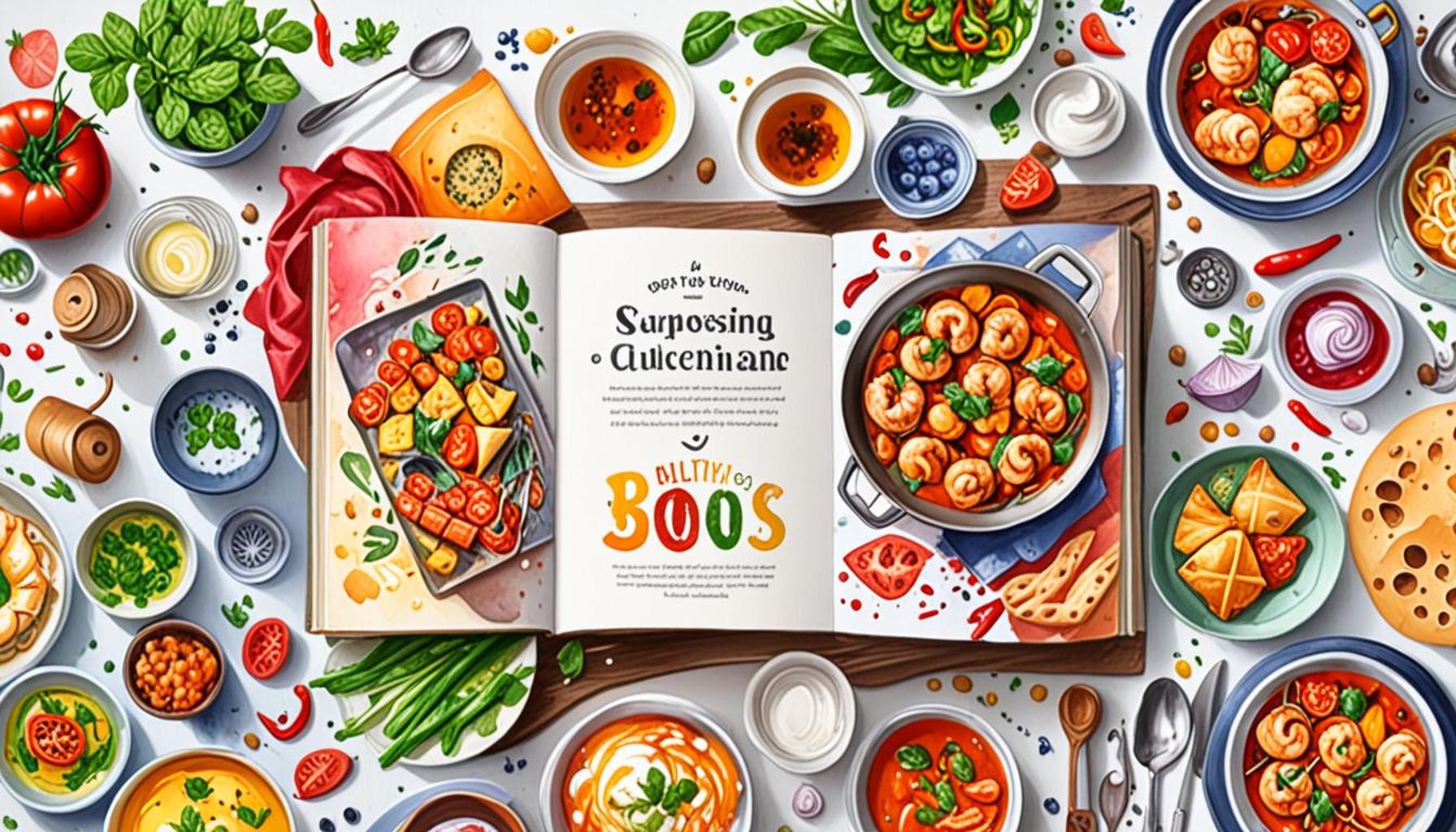
Cooking with What You Have: Creativity in the Kitchen with Limited Ingredients
Unlock Your Culinary Potential
In today’s fast-paced world, cooking with limited ingredients can be both a challenge and an opportunity for creative expression. With the right mindset and a little bit of imagination, your kitchen can transform into a hub of innovation. Here’s how you can harness what you have on hand.
The Art of Culinary Adaptation
When faced with a sparse pantry, consider the following:
- Substitutions: Can you swap out one ingredient for another? For instance, did you know that yogurt can stand in for sour cream? Using Greek yogurt not only maintains the creamy texture but also adds extra protein. This adaptability can extend to grains as well; if a recipe calls for rice but you only have quinoa, the latter can provide a nutritious base with a unique flavor.
- Fridge Finds: Take a look at your refrigerator and pantry to identify forgotten veggies or remnants of meals that can be reinvented. For instance, wilted spinach can easily be blended into a delicious smoothie or incorporated into a frittata, while leftover roasted vegetables can inspire a savory pasta dish or fresh wrap. Creativity flourishes when you give old ingredients a second chance.
- Flavor Boosters: Use spices and herbs to elevate simple dishes, turning the ordinary into extraordinary. A sprinkle of smoked paprika can add depth to a basic vegetable stir-fry, while fresh basil can transform a tomato sauce into something truly special. Consider experimenting with international seasonings: a dash of cumin might take your dish in an entirely new direction.
Overcoming ingredient constraints not only fosters creativity but also encourages resourcefulness. It’s about maximizing every available asset, whether that’s a can of beans or a handful of fresh herbs. In the kitchen, necessity often becomes the mother of invention, leading to delightful culinary surprises.
Embrace Local and Seasonal
Exploring regional produce can also fuel your culinary creativity. Think about:
- Farmers’ Markets: These are a goldmine for seasonal ingredients that inspire new recipes. Purchasing fresh produce, often picked the same day, allows you to create dishes that truly reflect the flavors of your local area. Try asking vendors for their favorite ways to use unusual vegetables, and you may stumble upon a gem of a recipe.
- Community Gardens: Local resources such as community gardens can connect you to fresh finds that make a dish exciting. Participating in a garden can also deepen your understanding of the food cycle, making every meal more meaningful. Even if gardening isn’t for you, seeking out neighbors or friends who grow their own food can provide unique and fresh ingredients.
By embracing challenges in the kitchen, you can not only create delicious meals but also embark on a journey of culinary self-discovery. Revel in the process of experimenting with flavors and techniques, and don’t shy away from innovative pairings. Every meal prepared at home is an opportunity to elevate your cooking skills while working with what you have at home. You might be surprised at what you can create by unlocking your culinary potential!

DIVE DEEPER: Click here to discover the healing power of music
Resourcefulness Breeds Innovation
Cooking with limited ingredients often pulls you into a realm of unexpected flavors and inventive dishes. The innate creativity that comes from a constrained kitchen allows you to explore alternative pathways in meal preparation. By embracing resourcefulness, you not only stave off the unappetizing monotony but also build confidence in your culinary skills.
Drawing Inspiration from Global Cuisine
One way to elevate your cooking game is to look beyond familiar recipes and delve into global culinary traditions. Different cultures have adopted effective methods for creating meals with scant resources, often relying on staple items that deliver maximum flavor with minimal ingredients. Here are a few approaches from around the world to consider:
- Mediterranean Utilization: The Mediterranean diet is a great inspiration for limited ingredient cooking. Staples like chickpeas, olive oil, and seasonal vegetables can create vibrant salads, wholesome stews, or savory dips. A simple concoction of mashed chickpeas with lemon, garlic, and olive oil—hummus—is a perfect example of a delightful dish born from pantry staples.
- Asian Fusion: Many Asian cuisines emphasize the use of a few key ingredients combined with an array of spices, allowing for maximum impact. Shrimp or tofu can serve as your protein base, while rice, soy sauce, and seasonal vegetables can come together in stir-fried creations that are both robust and satisfying. The key is to utilize unique sauces and condiments that can impart a world of flavor to simple, everyday items.
- Latin American Flare: Beans are a staple across numerous Latin American cuisines, praised not just for their protein content but also for their adaptability. Black beans, pinto beans, or lentils can be combined with rice, tortillas, or steamed vegetables to create everything from burritos to simple bean salads. Spice it up with lime juice, cilantro, and avocado for a refreshing twist.
By broadening your culinary perspective, you discover how various cuisines empower creativity, allowing you to craft a meal even when your pantry feels bare. Incorporating these cultural insights forms a vital bridge between limited ingredients and unique, successful meals.
Exploring the World of One-Pot Meals
Another practical approach to cooking with what you have is the art of one-pot meals. By consolidating ingredients into a single dish, you can save on preparation time and clean-up—while also ensuring that no ingredient goes to waste. Here are some tips for creating satisfying one-pot meals:
- Start with a Base: Choose hearty grains such as rice, quinoa, or couscous as your base. These grains will absorb flavors from other ingredients, resulting in a cohesive dish.
- Layer in Proteins and Veggies: Add whatever proteins and vegetables are available. Whether it’s chicken, canned beans, or seasonal veggies, their individual flavors meld into one enriching experience.
- Finish with Stock or Sauce: Enhance your dish with broth, tomato sauce, or a homemade dressing. This not only brings everything together but also ensures that each bite is savory and satisfying.
One-pot meals exemplify how creative cooking can evolve from limited ingredients without the fuss of an extensive preparation process. Simplifying meal preparation can lead you to delightful culinary inventions that both satisfy and surprise.
| Advantage | Description |
|---|---|
| Cost Savings | Cooking with limited ingredients encourages resourcefulness, which can reduce food waste and help you save money. |
| Nutritional Creativity | By exploring ingredients you already have, you may discover new flavor combinations and healthier cooking methods. |
| Less Pressure | Limiting your options can alleviate decision fatigue and make meal preparation more enjoyable and less daunting. |
| Skill Development | Experimenting with limited ingredients can sharpen your cooking skills and boost your confidence in the kitchen. |
In the realm of culinary exploration, the theme “Cooking with What You Have: Creativity in the Kitchen with Limited Ingredients” not only challenges the status quo but ignites a wave of innovation in everyday cooking. As we navigate through kitchen scarcity, we unlock the potential for delightful creations that are both satisfying and cost-effective. Each ingredient becomes an opportunity to craft a unique dish, guiding our culinary journey with practicality and imagination. Embracing such limitations often leads to surprising gastronomic treasures, revealing that the heart of cooking lies not in abundance but in the spirit of invention. As individuals, we are encouraged to unite our resources and creativity, transforming the mundane into the magnificent without ever overstretching our budgets or wasting precious food. This approach redefines our relationship with food and empowers us to make the most of our kitchen staples.
DISCOVER MORE: Click here to learn about the therapeutic benefits of music
Transformative Techniques for Limited Ingredients
In the endeavor of cooking with what you have, embracing transformative techniques can make all the difference. These methods help elevate the remaining elements in your kitchen, revealing flavors and textures you may not have anticipated. By adopting a few transformative cooking techniques, you can tailor your meals to suit your taste buds while making the most of limited resources.
Fermentation: A Flavor Revolution
One particularly exciting technique to incorporate into your cooking repertoire is fermentation. This ancient method not only extends the shelf life of ingredients but also enhances their flavor profiles, often with minimal effort. For example, if you have leftover vegetables, consider making quick pickles. Just slice your veggies, steep them in a mixture of vinegar, water, sugar, and salt, and allow them to marinate for a few hours. The result is a tangy accompaniment that can elevate any dish.
Similarly, you can ferment fruits to make refreshing toppings for breakfast or desserts. Using just a bit of sugar and salt, you can create deliciously tangy fruit preserves that breathe new life into dishes like oatmeal or yogurt. This approach not only adds depth to your meals but also introduces beneficial probiotics into your diet, supporting gut health.
Emphasizing Flavors Through Spices and Seasonings
With limited ingredients, you might find that the right spices and seasonings can work wonders to transform a basic dish into a flavorful masterpiece. Consider utilizing herbs and spices that are often overlooked in typical cooking routines. Dried herbs like oregano, thyme, and basil can be game-changers, especially in pasta and grain dishes. Meanwhile, spices such as cumin, paprika, or chili powder can impart warmth and complexity, turning simple sautéed vegetables into exciting main courses.
Creating a homemade spice blend is another avenue worth exploring. By combining pantry staples, you can develop your own mix that highlights your preferences. A blend of smoked paprika, garlic powder, and cayenne can bring a smoky heat to dishes, while cinnamon, nutmeg, and sugar can elevate sweet dishes and baked goods, showcasing the versatility of spices when faced with limited ingredients.
Repurposing Leftovers Into New Dishes
What truly sparks creativity in the kitchen is the ability to repurpose leftovers. It’s an art form that not only prevents food waste but also encourages innovative thinking. If you had roasted chicken for dinner, why not shred it and mix it with some mayo and mustard for a quick chicken salad? Alternatively, leftover rice can easily be transformed into fried rice by adding a few fresh vegetables and a scrambled egg.
Another novel idea is to create soups or stews out of unexpected ingredients. Tossing leftover vegetables into broth can yield delicious, hearty meals that feel entirely new. For instance, overripe tomatoes, wilting greens, or even cornered cheese can be blended into robust soups that deliver flavor and nutrition in every bowl.
Employing these transformative techniques can genuinely enhance your cooking experience. Whether it’s through fermentation, flavorful seasoning, or the creative use of leftovers, the art of cooking with limited ingredients opens up a world of possibilities that tells a story through each dish crafted.
DISCOVER MORE: Click here to dive deeper
Conclusion: Embracing Creativity in the Kitchen
In a world where culinary possibilities often seem boundless, the ability to innovate with limited ingredients truly shines as a testament to the power of creativity in the kitchen. As we’ve explored, transformative techniques such as fermentation, smart seasoning with spices, and the repurposing of leftovers not only breathe new life into existing ingredients but also showcase the art of cooking in its purest form. By embracing these methods, you can elevate your meals while reducing food waste and making the most out of what you have.
Think of your kitchen as a creative canvas where the limitations of ingredients invite experimentation rather than discourage it. Each dish tells a story of resourcefulness, enabling cooks from all walks of life to discover flavors that are uniquely their own. Consider taking this opportunity to challenge yourself, explore unconventional combinations, or even join a community dedicated to cooking creatively. In doing so, you’ll not only nourish your body but also enrich your culinary skills.
Ultimately, cooking with limited ingredients fosters a deeper connection to the food we prepare and consume. It encourages us to appreciate the versatility of each component and to use our imagination to transform simplicity into delight. So next time you find yourself with an empty fridge, take a moment to relish in the challenge—it may just lead to your best meal yet.