Menu

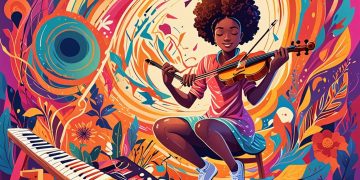
Music and self-care: how playing an instrument can be a form of meditation

Engaging in music through playing an instrument serves as a transformative self-care practice, offering meditation-like benefits. It promotes emotional healing, stress relief, and mindfulness, enhancing overall well-being. This creative outlet allows individuals to connect with themselves, fostering personal growth and tranquility amidst life's chaos.

The intersection of music and technology: how apps and software are transforming music creation

Technology is revolutionizing music creation by integrating apps and software that enhance accessibility and collaboration. Digital Audio Workstations, mobile applications, and AI-driven tools empower artists, fostering innovative compositions and redefining the music industry. This transformation invites both creators and audiences to explore new avenues of artistic expression.

Exploring Music as a Form of Cultural Expression: How Different Communities Use Music to Tell Their Stories

Music is a vital form of cultural expression, transcending boundaries to convey communities' stories, identities, and struggles. Through diverse genres like folk, hip-hop, and Indigenous music, it encapsulates shared experiences and fosters understanding. Engaging with these musical narratives enriches our appreciation of the human experience.

The therapeutic benefits of music: how playing an instrument can improve mental health

Exploring the therapeutic benefits of music reveals how playing an instrument can significantly enhance mental health. This engaging practice promotes emotional well-being, reduces stress, and encourages social connections, making it a powerful tool for personal growth and emotional regulation in daily life. Embrace music for its profound healing effects.

The importance of improvisation in music and how to cultivate it as a creative hobby

Improvisation is a crucial aspect of music, offering musicians a unique avenue for creative expression and personal growth. By exploring various genres and practicing techniques, performers can enhance their musical abilities, build confidence, and forge emotional connections with their audience, making improvisation a fulfilling creative hobby.

The role of online communities in instrument learning: how virtual groups are shaping amateur musicians

Online communities are revolutionizing instrument learning for amateur musicians by fostering collaboration, inclusivity, and access to resources. These virtual groups provide a supportive environment where musicians can connect, share experiences, participate in challenges, and receive valuable feedback, ultimately enhancing their skills and creativity.

Exploring Different Musical Genres: How Sound Diversity Can Enrich Your Skills as an Amateur Musician

Discover how exploring different musical genres can greatly enhance your skills as an amateur musician. Embracing sound diversity fosters creativity, improves technical abilities, and opens doors for collaboration. This journey enriches your artistic identity, connects you with diverse audiences, and transforms your musical experience into a multifaceted adventure.

Exploring Music Composition: Techniques for Beginners Who Want to Create Their Own Songs

This guide offers essential music composition techniques for beginners eager to create their own songs. It covers melody, harmony, rhythm, lyrics, and structure, providing practical tips to unleash creativity and express emotions through music. Engage with these strategies to develop your unique musical voice.

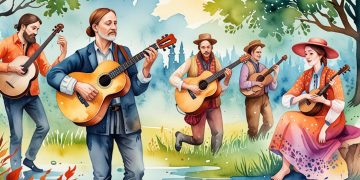
The influence of folk music on contemporary musical practices: reclaiming traditions

Folk music is reshaping contemporary musical practices by intertwining traditional elements with modern narratives. This revival fosters cultural identity and innovation, allowing artists to address social issues through storytelling. As techniques evolve and cross-genre collaborations thrive, the influence of folk music remains vital in today's diverse soundscapes.

How the performing arts can serve as a tool for empowerment for youth in marginalized communities

The performing arts empower youth in marginalized communities by fostering self-expression, emotional intelligence, and collaboration. These creative outlets cultivate essential life skills, build resilience, and promote social change, enabling young individuals to reclaim their narratives and become advocates for their communities while enhancing their cultural identity and sense of belonging.