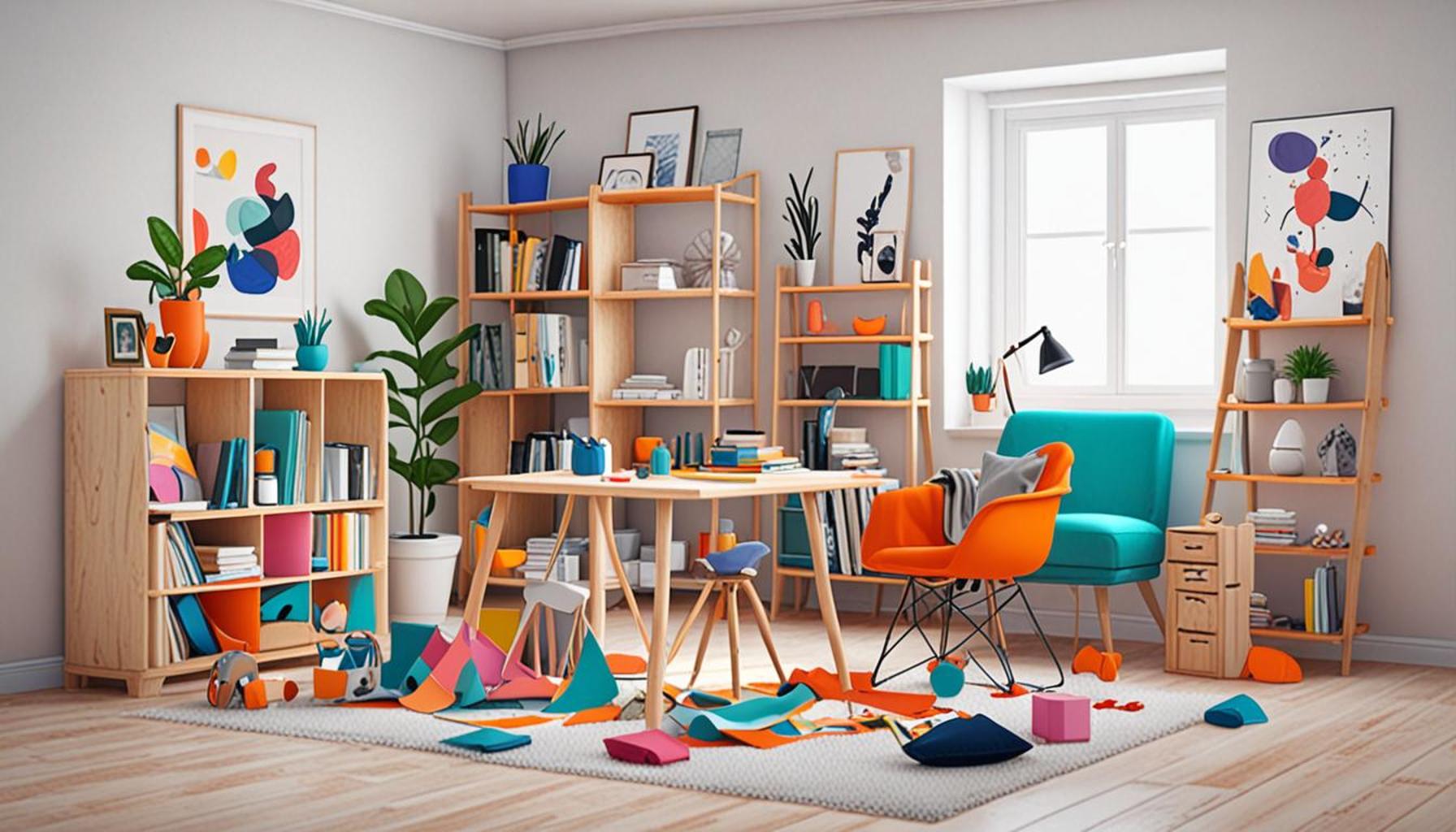
Practical Strategies to Reduce Clutter at Home: Transforming Your Space with Minimalism
The Beauty of a Clutter-Free Life
In a fast-paced world inundated with material possessions, the pursuit of a serene and orderly environment is becoming increasingly important. This cultural shift towards minimalism is not merely a trend; it symbolizes a deeper desire for freedom from clutter and the attainment of mental clarity. By consciously choosing to simplify our surroundings, we can transform our homes into sanctuaries that radiate peace and functionality, supporting our busy lifestyles.
Statistics underscore the impact clutter can have on our daily lives. For instance, approximately 80% of the clutter we keep is rarely used, which implies that a significant portion of our belongings is superfluous. In practical terms, this means many households are filled with items that don’t truly serve a purpose, contributing to a disorganized environment. Furthermore, research indicates that Americans spend an average of 55 minutes a day searching for items, leading to frustration and wasted time that could otherwise be spent on more fulfilling activities. Most critically, studies have shown that clutter can significantly increase stress levels and decrease productivity, detracting from our overall quality of life.
Practical Steps to Embrace Minimalism
Adopting a minimalist approach does not necessarily require drastic measures but can be initiated through manageable strategies that promote a more organized life. Consider incorporating these practical tips into your decluttering routine:
- Practice the one-in, one-out rule: For every new item you introduce into your home, make it a habit to let go of one existing item. This practice not only curtails unnecessary accumulation but also encourages mindful consumption.
- Set time limits: Dedicating just 15-30 minutes a day to sort through your belongings can yield significant results over time. This bite-sized approach makes the daunting task of decluttering feel more achievable and less overwhelming.
- Use storage solutions: Investing in multifunctional furniture can maximize space efficiency. For example, an ottoman that doubles as storage or a coffee table with drawers can help keep your living areas tidy without sacrificing style.
As you embark on the journey towards minimalism, remember that your home can become a true reflection of tranquility and efficiency. With each small change, you will likely discover how a clutter-free living space not only enhances your physical environment but also lifts your spirit and sharpens your focus. Embrace the process, and you may find that this newfound simplicity leads to profound and lasting transformation in your life.
DIVE DEEPER: Click here to enhance your productivity
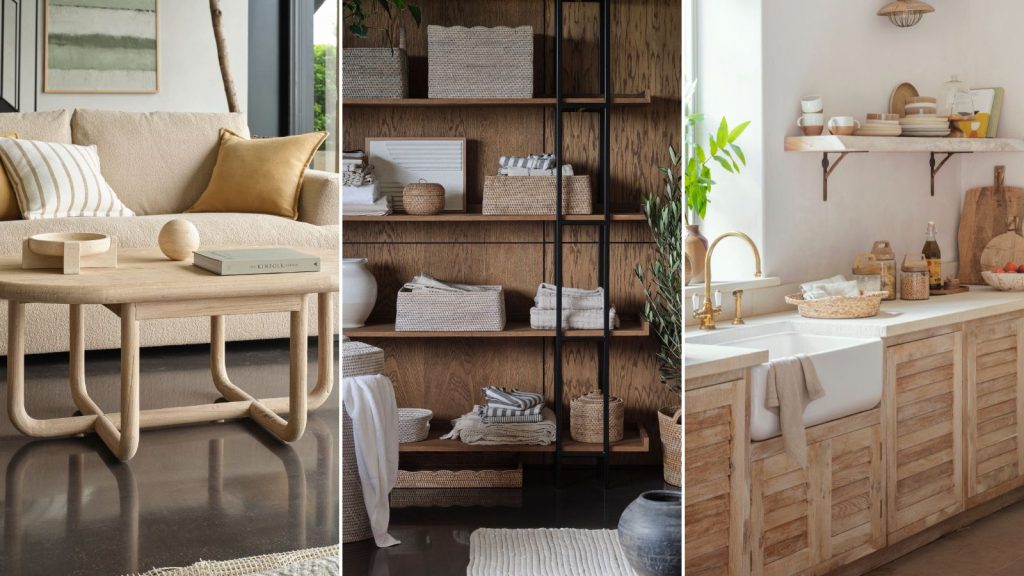
Creating a Strategic Decluttering Plan
Decluttering often feels like a formidable task, but by implementing a well-thought-out plan, you can break it down into digestible steps that render it less daunting. One of the primary strategies to reduce clutter is developing an actionable roadmap that aligns with your unique circumstances. This roadmap will not only guide you but also keep you motivated as you witness tangible changes in your living space.
Begin by identifying the areas of your home that are most cluttered. Focus on one space at a time—perhaps start with a small area like a drawer or a single room. The concept of “horizontal surfaces” can be a useful tool here. Flat surfaces like countertops, shelves, and tables tend to accumulate items, becoming mini dumping grounds for miscellaneous belongings. Aim to clear these areas first, creating a more serene view in your immediate surroundings.
- Establish a sorting system: When working through your belongings, categorize items into four distinct groups: “keep,” “donate,” “recycle,” and “discard.” This method provides clarity on what stays in your home and what can be released back into the community, transformed, or thrown away.
- Adopt a seasonal evaluation: Periodically revisit your belongings—perhaps every season—allowing you to remain conscious of what you own. This practice not only promotes ongoing decluttering but also prevents the slow creep of new items into your space.
- Digitize when possible: In an increasingly digital age, consider converting physical documents and media into digital formats. This not only conserves physical space but ensures that important items are preserved without the clutter.
As you progress, it is crucial to recognize the emotional attachments we often have to our possessions—an obstacle that can complicate decluttering efforts. Taking a reflective approach to understand why you keep certain items can aid in letting go. Ask yourself if an item brings joy or serves a purpose in your current life. If the answer is no, it may be time to bid farewell to that item.
A common fear during the decluttering process is the worry of needing an item later on. To alleviate this concern, visualize the space you aspire to achieve. Remember, the ultimate goal is to create a peaceful, organized environment that enhances your quality of life. Each decision to remove items that no longer fit into this vision paves the way to a more fulfilled existence.
By developing a structured plan and approaching the decluttering process with intention, you will not only see the physical transformation of your home but also experience a profound shift in your mental state. This evolution towards minimalism is not just about reducing physical possessions; it’s about cultivating a lifestyle that cherishes what truly matters, delivering clarity and peace in an otherwise chaotic world.
| Category | Details |
|---|---|
| Decluttering Techniques | Discover strategies like the 4-Box Method and the One In, One Out rule to maintain an organized space. |
| Mental Benefits | Embrace clarity and peace of mind, fostering improved focus and reduced stress in your living environment. |
The journey towards simplifying your home through the lens of minimalism invites a deeper understanding of how keeping your surroundings clutter-free extends beyond physical space. By opting for innovative decluttering techniques, such as the 4-Box Method, you begin to categorize your items into keep, donate, trash, and recycle. This direct approach promotes a swift decision-making process that minimizes procrastination and enhances your commitment to the cause.In addressing the mental benefits associated with minimalism, research consistently shows a correlation between organized spaces and mental well-being. With each item you remove, you cultivate a sense of accomplishment, paving the way toward a more mindful lifestyle where distractions diminish. Invest in learning these practical strategies to unlock the transformative potential of your home environment. Through these methods, you don’t just create space; you nurture a sanctuary that supports your emotional and mental health, guiding you to lasting peace and tranquility.
DISCOVER MORE: Click here to dive into decluttering tips
Implementing Mindful Minimalism in Daily Life
Once you’ve laid the groundwork for decluttering, the next phase involves the mindful practice of minimalism in your daily life. It’s essential to integrate strategies that sustain your clutter-free environment and promote a lifestyle of intentional living. This ongoing process goes beyond mere organization; it involves reshaping your relationship with material possessions.
One effective strategy is to adopt the “One In, One Out” rule. This principle stipulates that for every new item brought into the home, an old item must be removed. Implementing this practice encourages purposeful consumption and helps maintain a balanced inventory of your belongings. For instance, when purchasing a new piece of clothing, consider donating a similar item. This practice isn’t just limited to clothing; it can be applied to kitchen gadgets, books, and even décor items, reinforcing a disciplined mindset that prioritizes necessity over desire.
- Practice conscious shopping: Before making purchases, ask yourself if the item aligns with your goals for minimalism. Does it add value to your life? Is it truly needed, or is it an impulse buy? Keeping a shopping list can guide you toward mindful decisions, reducing the likelihood of regretful acquisitions.
- Utilize digital tools: Applications designed for decluttering and organizing can be your best friends. Various mobile apps allow you to catalogue items, set reminders for evaluation, and even facilitate donations. These digital tools help maintain a clear inventory without adding physical clutter.
- Participate in community swap events: Engaging with local decluttering initiatives, such as clothing swaps or community giveaways, can help you part with belongings while acquiring ‘new-to-you’ items. These exchanges reinforce the value of sharing and prevent items from ending up in a landfill.
Another critical aspect of practicing minimalism is reassessing your emotional attachments to belongings. It’s not uncommon for people to hold on to items due to nostalgia or sentimentality. To counteract this, consider the 30-Day Minimalism Game. The concept is simple: for every day of the month, remove one item on day one, two items on day two, and so forth. By the end of the month, you’ll have eliminated 465 items! This playful challenge not only clears your space but also fosters a healthier mindset surrounding material possessions.
Additionally, the concept of “living with less” can translate into areas beyond physical possessions. It may involve simplifying your schedule by saying no to excessive commitments or priming your home environment to remove distractions. Fostering a more tranquil and less cluttered atmosphere can greatly enhance mental clarity, creativity, and emotional well-being.
Moreover, engaging with like-minded individuals can provide motivation and support on your minimalist journey. Join online forums, attend local workshops, or connect with friends who share your interest in creating a minimalist lifestyle. These connections can inspire you, offering fresh ideas and strategies while reinforcing a sense of community.
As you continue to integrate mindful minimalism into your life, remember that the goal is not to adhere to a strict set of rules but rather to cultivate a lifestyle that reflects your values and priorities. With perseverance, creativity, and a shift in mindset, transforming your home into a clutter-free sanctuary can become a fulfilling endeavor—one that enhances both your physical space and overall quality of life.
DISCOVER MORE: Click here to dive deeper
Conclusion: Embracing Minimalism for a Clutter-Free Life
In a world increasingly defined by excess, embracing minimalism provides a pathway to reclaiming our spaces and, ultimately, our lives. The journey to reduce clutter at home does not merely conclude with a single decluttering session; it is a continuous commitment to intentionality and mindfulness in our interactions with material possessions. By implementing practical strategies like the “One In, One Out” rule and practicing conscious shopping, we can significantly alter our consumer habits and cultivate a space that reflects our true values.
The benefits of minimalism extend far beyond the aesthetic appeal of a neat and organized home. Engaging in local community events for swapping items or utilizing digital tools fosters connections and encourages sustainability, making our efforts not just personal, but communal as well. As we adopt a more minimalist lifestyle, we often find that living with less brings a sense of clarity and mental peace that swells beyond our homes and into our daily lives.
Finally, maintaining an active dialogue with like-minded individuals can provide ongoing inspiration and accountability. Seek out new perspectives, join groups, and share experiences to navigate this transformative journey together. As you actively work towards a clutter-free existence, remember that true minimalism is about balancing your personal needs with a lifestyle that prioritizes experiences, relationships, and mental well-being over material accumulation. Embrace the challenge and watch as both your physical space and your quality of life blossom in ways you never thought possible.