Exploring the Intersection of Technology and Live Performances: The Future of the Performing Arts
Transformative Technologies in Live Performances
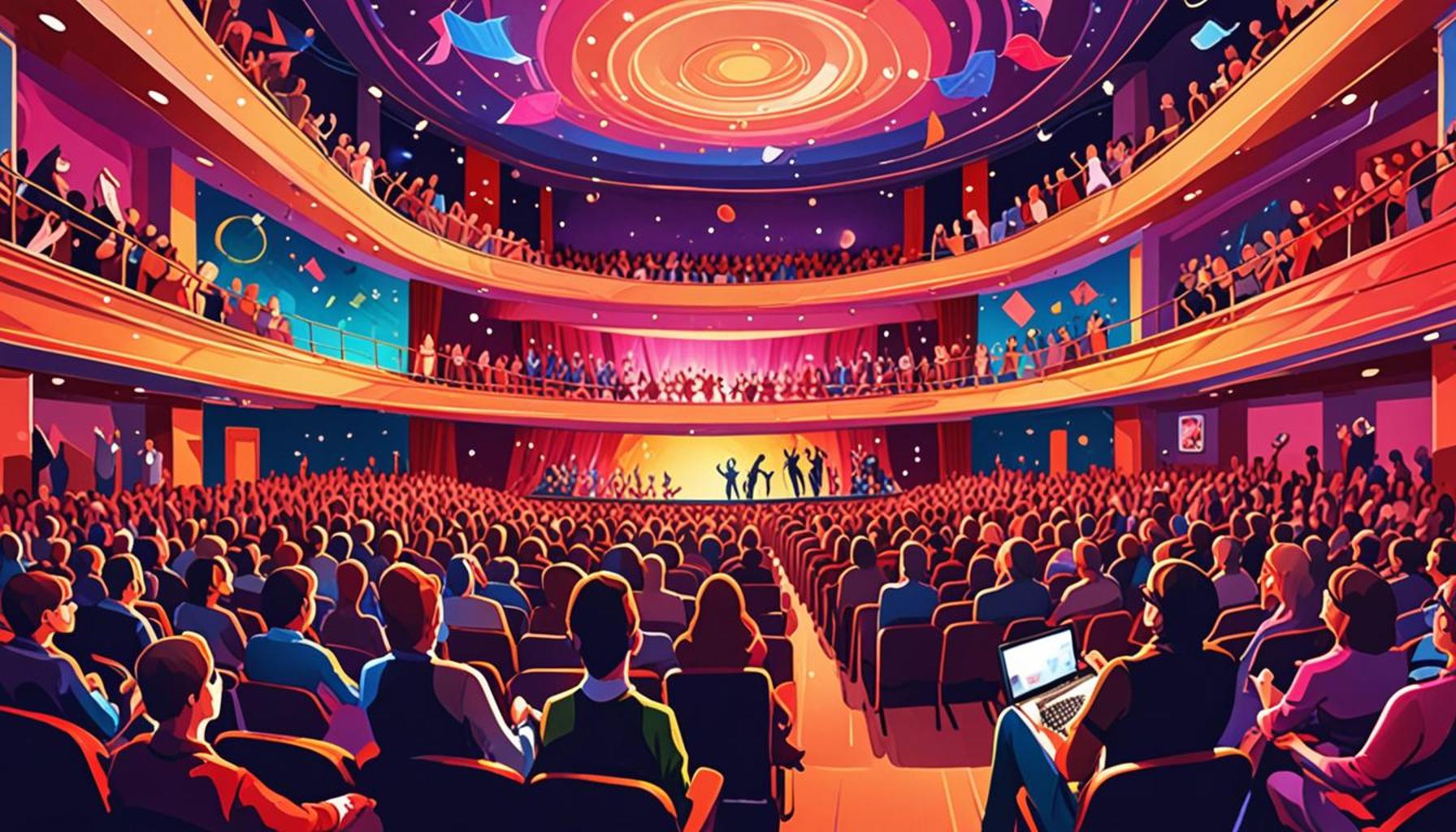
As technology continues to advance at an unprecedented pace, the world of live performances is undergoing a remarkable transformation. This fusion of technology and the performing arts has opened up a new realm of possibilities that captivates audiences like never before. Consider how these innovations are reshaping the very fabric of theatre, concerts, and even dance performances.
Today, we observe various innovative trends that are redefining the performing arts landscape:
- Virtual Reality (VR): Immersive experiences that allow audiences to engage with performances in a 3D environment. For example, VR concerts can transport enthusiasts to a front-row seat at a live music festival from the comfort of their homes, thereby increasing accessibility for fans unable to attend in person.
- Augmented Reality (AR): Enhancing live shows with digital elements enriches storytelling. Imagine attending a theatre production where on-stage actions are accompanied by holographic visuals that appear to leap off the stage, providing viewers with a multi-layered narrative experience.
- Live Streaming: Expanding reach by bringing performances directly to viewers’ homes on platforms like Twitch and YouTube. This trend became extraordinarily prominent during the COVID-19 pandemic, allowing performers to maintain connection with audiences, while providing a new model for monetization through virtual tip jars and subscriptions.
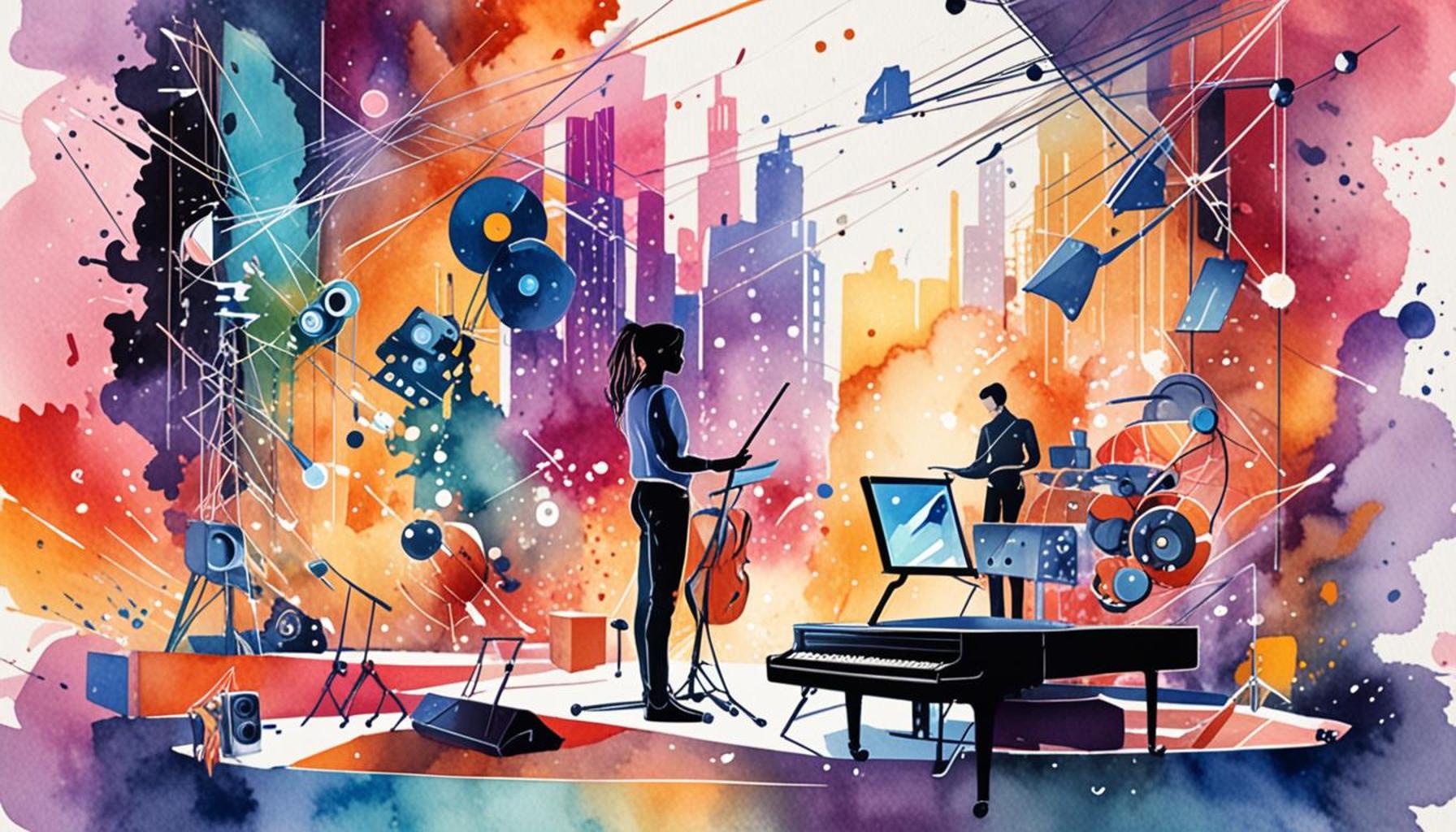
- Projection Mapping: Transforming physical spaces into dynamic visual displays creates enhanced atmospheres. This technique has been successfully utilized in concerts and public art shows, offering a captivating backdrop that can change with the beat of the music or the mood of the performance.
The integration of these technologies is not just about modernizing the traditional stage but also about enhancing audience engagement. Various performers and companies are experimenting with interactive elements that allow audiences to shape their experiences. For instance, some theatre productions now incorporate audience voting to influence the direction of the story, creating an evolving narrative that changes each night based on audience preference.
This shifting paradigm raises critical questions about the future of the performing arts: how will this dynamic evolve in the long term? Will technology become the mainstay of performing arts, or will it coexist with traditional practices? The COVID-19 pandemic has illustrated that many audiences crave both the shared experience of live performance and the convenience of digital access. As new technologies emerge, the possibilities are virtually limitless, opening doors for artists to innovate and explore uncharted territories.
As we delve into this fascinating intersection of technology and live performances, the path forward appears rich with opportunity and innovation. Those involved in the arts are urged to embrace these advancements, as they promise to define the next chapter of performance art in an ever-evolving digital landscape.
DISCOVER MORE: Click here to delve deeper
Revolutionizing Audience Experience
The integration of technology into live performances is rapidly revolutionizing not just how artists create, but also how audiences interact with performances. One of the most exciting aspects of this evolution is the enhanced audience experience. With audiences now given opportunities to actively participate, the curtain is rising on a new form of engagement that was previously unimaginable.
Interactive elements powered by technology are enabling audiences to become co-creators in the performance narrative. For example, numerous productions have started utilizing smartphone apps that allow viewers to vote in real-time, influencing plot choices or character decisions. This makes for a distinctive evening where no two performances are ever the same; rather, they are a unique manifestation of collective audience input. Additionally, audiences can be involved in immersive experiences that blur the lines between spectator and performer, such as productions that take place in non-traditional venues, allowing spectators to move through the performance space, engaging with the storyline in a tangible way.
Data analytics is another technology transforming the audience experience. By harnessing data from ticket sales, online interactions, and social media trends, producers can gain invaluable insights into audience preferences. This analytical approach allows them to tailor performances and marketing strategies to specific demographics, enhancing both attendance and satisfaction. For example, Broadway shows are now analyzing audience feedback to curate promotional content that speaks directly to the preferences of potential ticket buyers, thereby crafting a more individualized outreach.
- Wearable Technology: Devices like VR headsets and smart glasses are altering the viewing landscape. These gadgets grant users access to supplementary content—behind-the-scenes footage, character backstories, or 360-degree views of the performance—right from their seats. The move towards wearable tech could transform how theatre and concerts are approached, inviting a deeper level of interaction.
- Social Media Integration: The use of platforms like Instagram and Twitter during performances is becoming a norm. Artists are encouraging audience members to share their experiences live, creating a digital dialogue around the event—this not only enhances community building but also provides immediate feedback to performers.
- Artificial Intelligence (AI): From generating music and choreography to creating adaptive set designs that react to audience energy, AI is increasingly making its mark on the performing arts. AI algorithms can analyze large datasets to predict what performance elements resonate best with audiences, tailoring experiences that are not just memorable but highly engaging.
The confluence of these technologies is not without its challenges, as concerns arise regarding the authenticity of live performances in an ever-digitalized world. Critics often debate whether incorporating technology undermines the traditional essence of theatre and live shows. However, as performers embrace these advancements, the conversation shifts to how technology can coexist with traditional practices to enhance the richness of live art forms.
In this evolving landscape, it becomes essential for artists and cultural institutions to adopt a forward-thinking mindset. Embracing innovative technologies while respecting the roots of performing arts could pave the way for exciting new forms of artistic expression, ultimately enriching the audience’s experience and ensuring the endurance of live performances in the digital age.
As we delve deeper into the captivating realm of live performances enhanced by technology, it becomes increasingly evident that we are on the brink of a transformative era. Innovations such as virtual reality (VR) and augmented reality (AR) are reshaping audience experiences, offering immersive elements that were previously unimaginable. For instance, VR can transport audiences to unique environments, allowing them to interact with performances in a way that transcends traditional viewing methods. This level of engagement not only enhances the emotional connection to the piece being presented but also opens doors for audiences who may not physically attend a performance due to geographical or physical limitations.
Moreover, advancements in streaming technologies have revolutionized accessibility. Artists and institutions are now able to reach global audiences, breaking down barriers and redefining what it means to participate in the performing arts. This democratization of access can lead to a broader appreciation of diverse artistic expressions, fostering inclusivity and cultural exchange.
Technology is also playing a pivotal role in the creative process itself. The integration of AI and machine learning tools within choreography, scriptwriting, and set design gives artists new avenues for expression. For instance, AI can analyze vast quantities of data to predict audience preferences, thereby helping creators tailor their work to resonate more deeply with viewers. This symbiotic relationship between technology and creativity not only enriches the performance landscape but can streamline production processes, allowing artists to focus on their craft.
As we continue to explore these innovations, the performing arts are undergoing a renaissance, where traditional artistry meets cutting-edge technology. The unique blend of human performance and technological enhancement ignites discussions about the future of art, challenging us to envision a world where performance is not only a form of expression but also a fully immersive experience that captivates and engages.
| Category | Advantages |
|---|---|
| Immersive Experience | Utilization of VR and AR to create engaging environments that elevate audience interaction. |
| Global Accessibility | Streaming technology broadens the reach of performances, allowing a global audience to experience live art. |
| Enhanced Creativity | AI tools assist artists in scripting, choreographing, and designing sets, fostering new artistic possibilities. |
| Cultural Exchange | Bridging communities through shared virtual experiences, promoting inclusivity in the arts. |
DISCOVER MORE: Click here to learn about the impact of performing arts
Transforming Production Techniques
The intersection of technology and live performances goes beyond enhancing audience experience; it also significantly transforms production techniques. Innovations in stagecraft and production methodologies are redefining the boundaries of storytelling and performance art. Notable advancements in this space include digital set design, live streaming, and creative lighting technologies, which allow for a new array of possibilities in how stories are told on stage.
One remarkable technology at the forefront of this transformation is projection mapping. This technique utilizes digital projections to turn any surface into a dynamic canvas, allowing designers to create immersive visual landscapes that interact with live performers. For instance, a traditional theatre production may employ projection mapping to depict scenery that changes in real-time, responding to the live action and enhancing the narrative atmosphere. This not only streamlines set changes but also enables productions to create stunning visuals that captivate audiences and amplify the emotional resonance of performances.
Moreover, the rise of live streaming has opened new frontiers for performing arts accessibility. The COVID-19 pandemic highlighted the potential of live streaming when many physical venues closed their doors. Productions like Broadway shows and opera performances were streamed directly into homes, enabling audiences who might not typically have access—due to geographic or financial constraints—to experience the arts. As a result, many companies are now exploring how to blend in-person and virtual formats, maximizing reach and including diverse audience demographics. Some productions are even creating hybrid performances where select in-person audience members share the experience with virtual viewers, exemplifying a new era of interconnected performances.
- Virtual Reality (VR) and Augmented Reality (AR): These technologies are making waves in creating fully immersive performance experiences. For example, companies are experimenting with VR to allow viewers to step inside a performance, experiencing it from multiple perspectives, thereby creating a deeply personal connection to the art. AR can enhance live performances as well, allowing audiences to view magical effects that coexist with real-world environments, enriching the storytelling through technology.
- 3D Sound Engineering: Advancements in audio technology are redefining how sound interacts with spaces and audiences. 3D sound systems, capable of positioning sounds in a three-dimensional space, offer a truly immersive auditory experience that matches the visual spectacle. Performances can envelop the audience in soundscapes that change according to their movements and interactions within the performance area.
- Remote Collaboration Tools: The production landscape is also being reshaped by software designed for remote collaboration. Artists, choreographers, and technical designers can work together from anywhere in the world, sharing ideas and revisions in real-time. This democratizes creative input and allows more diverse global perspectives to contribute to productions, fostering innovation and fresh artistic approaches.
As production techniques evolve, the need for artists and technicians to continuously adapt and learn is pivotal. Workshops and training programs are emerging, focusing on integrating technological skills with artistic vision. By embracing these evolving tools, performers are discovering new methods of storytelling that respect tradition while pushing artistic boundaries. These developments illustrate the potential for technology not merely as an add-on but as a crucial element in the evolution of live performance arts.
DISCOVER MORE: Click here to dive deeper
Conclusion
As we navigate through this exciting intersection of technology and live performances, it becomes clear that the future of the performing arts is a vibrant tapestry woven from tradition and innovation. The transformations in production techniques—ranging from projection mapping to immersive sound engineering—not only broaden the creative horizons for artists but also enhance audiences’ engagement on levels previously thought unimaginable. The pandemic era underscored the necessity for adaptability, prompting a surge in live streaming and hybrid performances that democratize access to the arts.
Furthermore, technology like Virtual Reality (VR) and Augmented Reality (AR) has started to redefine how stories are experienced, inviting audiences to step into the narratives and participate in unique, interactive ways. As these innovations unfold, they also pose fresh challenges and questions surrounding the essence of live performance. Will technology overshadow the authenticity of live interaction, or will it enhance our appreciation of human connection?
The journey ahead is not just about incorporating high-tech tools, but about understanding how to meld them with the timeless principles of artistry. In fostering training programs that blend technical prowess with artistic vision, we stand to cultivate a new generation of artists who are not only storytellers but also innovative visionaries. As we embrace these evolving opportunities, the future of the performing arts promises to be not merely about what is being performed but how it is experienced—transforming not just the stage, but the very heart of our cultural landscape.