Maximize Efficient Spaces Personal Organizations Key Role
Understanding Personal Organization in a Minimalist Framework
The growing trend of minimalism has transformed how individuals perceive their living and working environments. With the increasing clutter in modern life, the significance of personal organization has never been more pronounced. Efficiently maximizing spaces not only creates a more pleasant atmosphere but also enhances productivity and mental clarity.
The Relevance of Personal Organization
Well-organized spaces allow individuals to:
- Reduce stress by minimizing distractions.
- Enhance creativity through uncluttered environments.
- Boost efficiency with easy access to essential items.
By embracing personal organization within a minimalist approach, individuals can take control of their surroundings and foster a lifestyle that prioritizes simplicity and intention.
What to Expect
In this article, we will explore the top five strategies for maximizing efficient spaces through effective personal organization. Each strategy will provide insights into not only what to do but also how these changes can impact your daily life.
The Importance of Personal Organization in Maximizing Efficient Spaces
In an era dominated by rapid technological advancements and accelerated lifestyles, personal organization is becoming increasingly essential. Individuals are shifting their focus towards minimalism and efficiency, craving environments that foster productivity, tranquility, and functionality. Yet, the road to achieving such spaces is steeped in the art of organization. This comprehensive exploration delves into the top five reasons why personal organization is indispensable for maximizing efficient spaces. As we unravel these benefits, readers are encouraged to reflect on their personal habits and explore ways to enhance their environments.
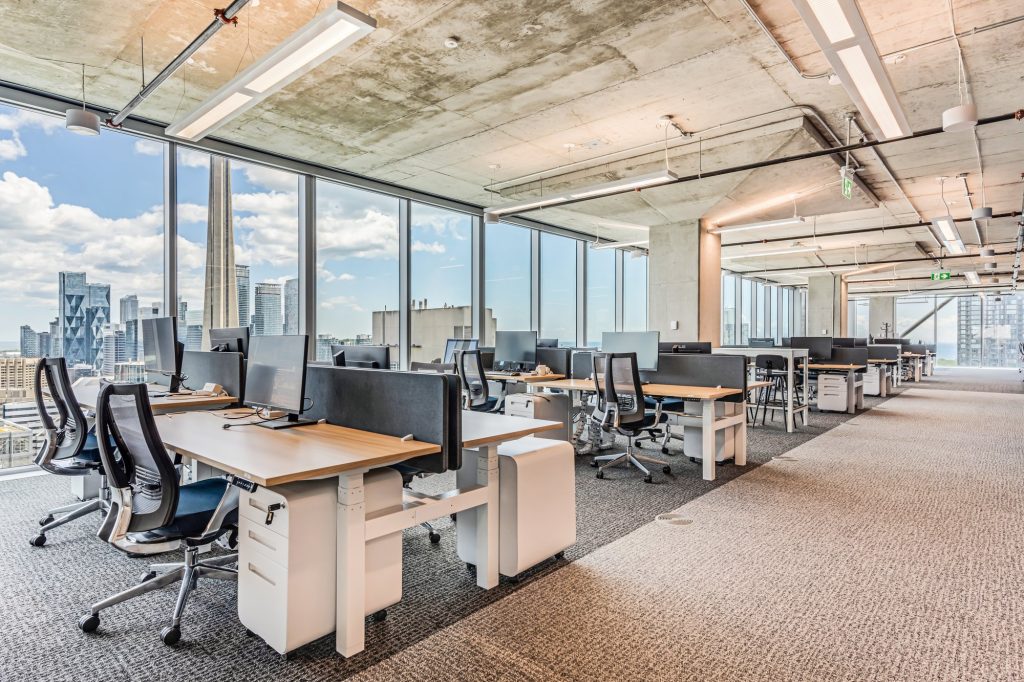
5. Enhances Focus and Productivity
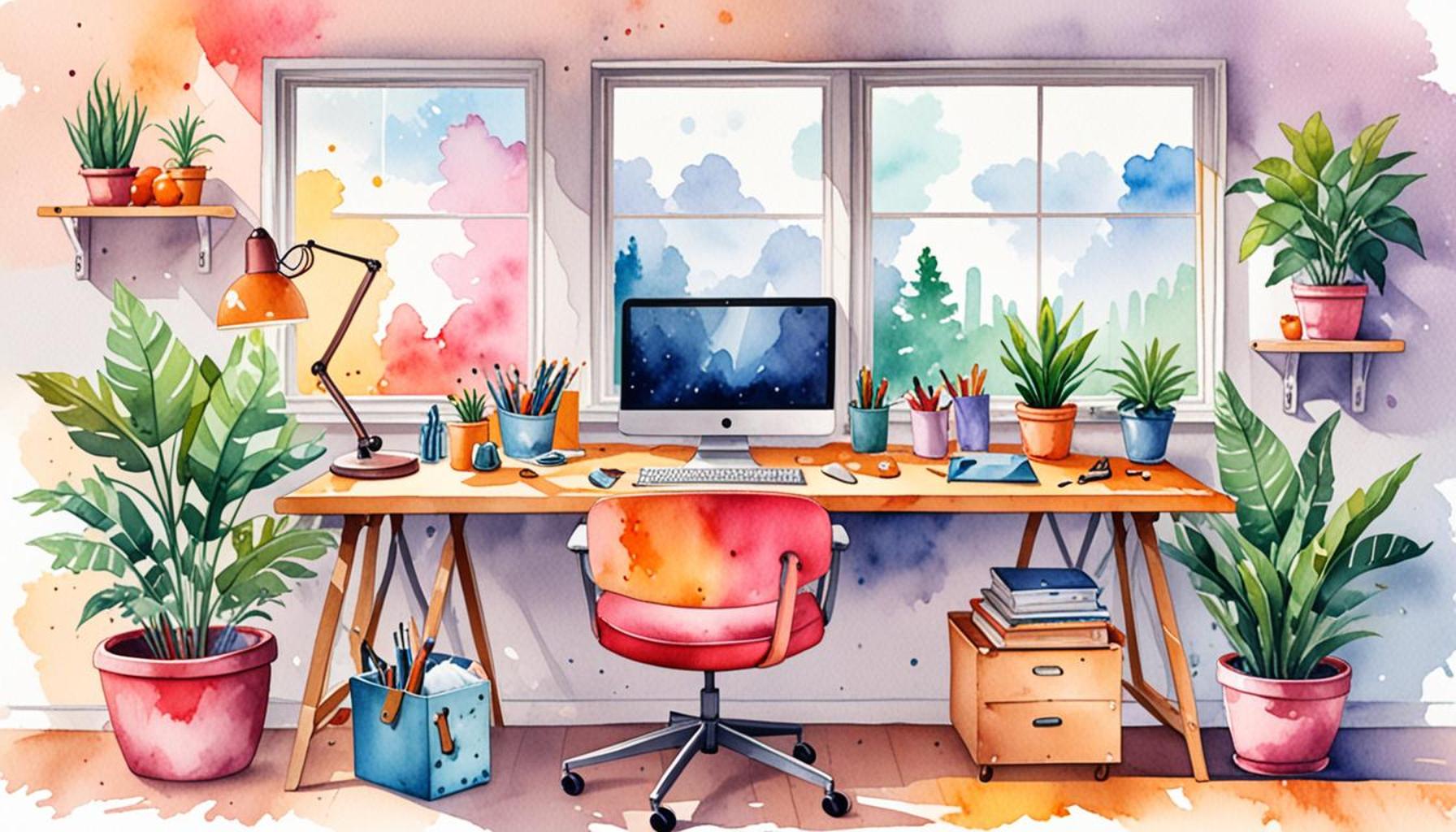
The correlation between a clutter-free environment and one’s ability to concentrate is well-documented. Consider the average office worker or student; a chaotic desk littered with papers, gadgets, and unnecessary knickknacks can lead to constant distractions. This clutter not only interrupts workflow but also induces cognitive overload, making task execution substantially more laborious. When organization is prioritized, the workspace is transformed into a streamlined haven.
- Clear Workspaces: Simplicity in design promotes mental clarity. By minimizing clutter and maintaining only the essentials, individuals can hone their focus and boost their cognitive output.
- Time Management: An organized environment saves time. With defined spaces for every item—from stationery to digital devices—the time lost searching for misplaced objects is drastically reduced, enhancing overall productivity.
This advantage becomes especially pronounced for remote workers. Trapped in a home environment abundant with potential distractions, creating a dedicated, organized workspace becomes crucial, serving as a beacon of focus amidst the chaos of daily life.
4. Reduces Stress and Anxiety
Chaotic surroundings can have a profound impact on mental health. Experiencing a disordered physical space often translates into mental clutter, leading to heightened stress and anxiety. Numerous psychological studies connote that individuals inhabiting organized spaces report reduced stress levels, increased feelings of control, and overall mental stability. By investing time in decluttering and arranging possessions, individuals craft not just an organized room, but a sanctuary.
- Psychological Benefits: Tidy spaces offer a visual peace that fosters a sense of stability and calm. This, in turn, contributes to improved mental states.
- Emotional Stability: The act of organizing can be therapeutic, inspiring a wave of accomplishment and tranquility. By clearing physical clutter, one simultaneously clears mental clutter, paving the way for emotional well-being.
Hence, adopting personal organization can be instrumental in mitigating feelings of overwhelm, transforming spaces into inviting haven’s for both work and relaxation.
3. Maximizes Available Space
Space is a precious resource, particularly in urban environments where living areas are becoming increasingly compact. The crux of organization lies not just in tidiness but in maximizing usage of every available inch. Through organization, even the most constrained spaces can be converted into efficient domains replete with purpose and function.
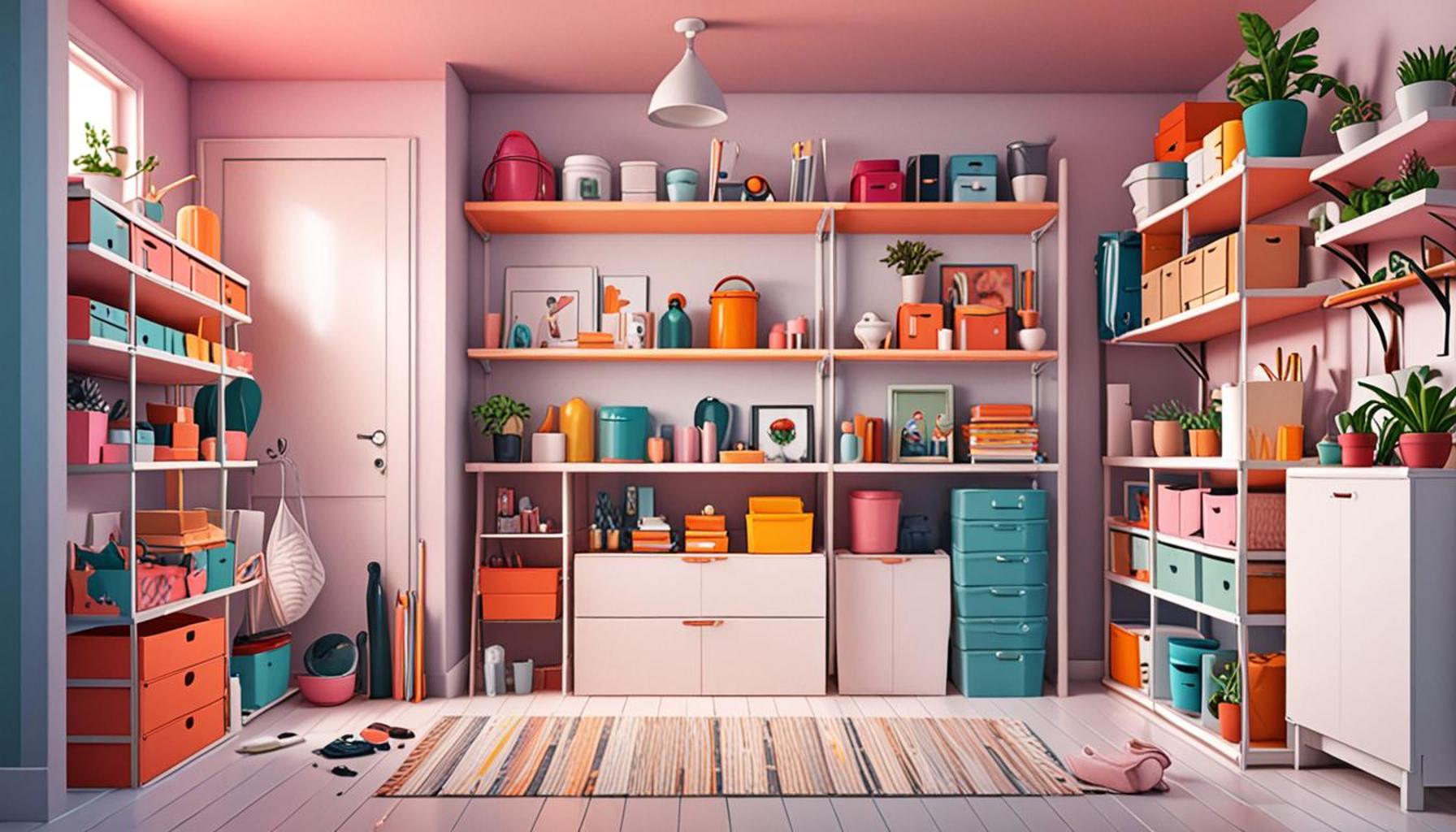
- Smart Storage Solutions: Incorporating creative storage options, such as vertical shelving or stackable boxes, can transform previously unusable spaces into functional areas.
- Multi-Functional Furniture: Furniture that doubles as storage, like ottomans with hidden compartments or beds with drawers, revolutionizes small-space living by optimizing every available corner.
By taking stock of essential items and systematically arranging them, individuals unveil the hidden potential of their environments, cultivating spaces that inspire rather than overwhelm.
2. Encourages Minimalism
Personal organization and minimalism share an intrinsic bond, each reinforcing the other. Through effective organization, individuals begin adopting the principles of minimalism, transitioning from accumulation to intentional living. With each organizational endeavor, the realization emerges that less is often more.
- Intentional Living: Organization prompts a thoughtful curation of items, ensuring that all possessions hold value or purpose, thus reducing clutter.
- Quality Over Quantity: A shift from quantity to quality enhances both form and function. Prized items are selected not just for aesthetics but for their utility, contributing positively to the ambiance of the space.
This journey towards minimalism does not merely declutter physical spaces but also simplifies one’s life, inviting harmony and elegance into their living environments.
1. Fosters Sustainable Habits
The ultimate reward of personal organization lies in its capacity to cultivate sustainable habits. Organization is not a one-time endeavor; it is an ongoing practice that necessitates maintaining a balanced environment. Establishing organized routines paves the way for long-lasting habits that transform mere organization into a lifestyle.
- Daily Routines: Engaging in consistent organization practices fosters improved time management and emphasizes discipline.
- Long-Term Benefits: The advantages of adopting sustainable organizational habits extend into the future, facilitating a lifestyle marked by efficiency, ease, and productivity.
Through personal organization, individuals do not just tidy their current environments; they lay the groundwork for an enduring lifestyle that remains consistent with their values and aspirations.
By understanding the vast array of benefits associated with personal organization, individuals are prompted to take actionable steps toward creating harmonious spaces. A conscious decision to integrate these habits can lead to transformative change, fostering environments that nurture mental clarity and enhance productivity. Whether driven by the allure of minimalism or the need for a focused workspace, embracing personal organization empowers individuals to unlock their innate potential, enabling them to thrive in today’s complex world.
| Category | Description |
|---|---|
| Time Management | Effective organization allows individuals to allocate time to tasks efficiently, avoiding procrastination and enhancing productivity. |
| Clutter Reduction | Organizing personal spaces reduces clutter, creating a more pleasant environment conducive to focus and creativity. |
| Resource Utilization | Maximized spaces encourage efficient resource utilization, ensuring that tools and materials are easily accessible when needed. |
| Mental Clarity | An organized environment promotes mental clarity, leading to better decision-making and problem-solving abilities. |
Frequently Asked Questions About Personal Organization and Space Efficiency
How does personal organization contribute to space efficiency?
Personal organization is crucial for maximizing space efficiency because it allows individuals to utilize their environment in the most effective way possible. By implementing systematic organization methods, such as decluttering and using storage solutions, people can transform chaotic spaces into orderly ones. This not only creates more physical space but also enhances productivity and mental clarity. Research indicates that organized environments can lead to improved focus and reduced stress levels, making space efficiency a valuable component of personal and professional success.
Is there a psychological benefit to organizing personal spaces?
Yes, there are significant psychological benefits to organizing personal spaces. An orderly environment can lead to a reduction in anxiety and stress, promoting a sense of control and accomplishment. Studies have shown that individuals in well-organized spaces experience higher levels of happiness and satisfaction, as they reduce the mental burden of clutter. This relationship between physical space and mental state underscores the importance of personal organization in fostering a positive atmosphere.
What are some practical tips for maintaining an organized personal space?
Maintaining an organized personal space requires consistent effort and strategic planning. Start by conducting regular decluttering sessions to eliminate unnecessary items. Utilize smart storage solutions like multi-functional furniture and vertical shelving to maximize space. Additionally, adopting the habit of returning items to their designated places immediately after use can prevent clutter from accumulating. Lastly, consider labeling storage containers to ensure that everything has a specific location, making it easier to maintain order over time.
Can digital tools assist in the organization of physical spaces?
Indeed, digital tools can play an instrumental role in organizing physical spaces. Applications designed for inventory management can help track possessions, while others focus on task management to ensure regular upkeep of organized spaces. Virtual planners and reminders can assist in scheduling decluttering sessions and routine cleaning tasks. By integrating digital solutions, individuals can streamline their organization efforts and maintain a high level of space efficiency.
What common mistakes do people make when attempting to organize their spaces?
One common mistake is focusing solely on immediate appearances rather than long-term sustainability. People often make the error of hiding clutter rather than addressing its root cause with strategic solutions. Another misstep is underestimating the amount of time required to maintain organization. Incorporating organization into daily routines is essential to prevent spaces from regressing into disorder. Lastly, failing to personalize organizing systems may lead to them being ineffective, as they don’t cater to individual habits and needs, undermining long-term efficiency.
Conclusion
The journey towards achieving efficient spaces through personal organization is not merely about decluttering; it is about fostering a lifestyle that values simplicity and purpose. In today’s fast-paced world, the importance of personal organization cannot be overstated. It serves as a foundational principle for minimalism, enabling individuals to create environments that support their daily activities, enhance productivity, and bring about a sense of calm.
Throughout this article, we explored key takeaways that emphasize how personal organization plays a crucial role in maximizing space. The five main points included the benefits of decluttering for mental clarity, the art of categorizing belongings to enhance accessibility, the strategic use of storage solutions, the importance of routine in maintaining order, and the positive impact of organized spaces on creativity and efficiency. Each of these facets underscores the broader significance of organization in our lives. By embracing these principles, individuals can transform their living and working spaces into havens of efficiency and serenity.
A New Perspective
Looking beyond the surface, the practices highlighted in this article invite us to reconsider our relationship with possessions and their role in our well-being. Minimalism and personal organization are not just trends; they are mindsets that encourage intentional living and sustainable consumption. By prioritizing only what is essential and functional, we can align our environments with our values and aspirations.
As we continue to seek harmony in our surroundings, the insights shared here provide a roadmap for not only maximizing physical spaces but also optimizing our mental and emotional landscapes. Embracing personal organization leads to a more harmonious, efficient, and fulfilling life, inviting us all to explore new ways to integrate these practices into our daily routines.