Create Efficient Home Spaces with Minimalist Principles A Guide
Introduction
In a world overflowing with possessions and distractions, the quest for an efficient home highlights the significance of minimalism. This philosophy encourages individuals to simplify their environments, focusing on essentials that enhance their quality of life. Adopting minimalist principles not only streamlines your space but also fosters a sense of tranquility and order.
As many seek to conquer clutter, understanding how to implement these principles becomes increasingly relevant. Creating efficient spaces involves more than just decluttering; it encompasses thoughtful organization, intentional design, and mindful consumption. Here are some key factors to consider:
- Intentionality: Choosing meaningful items that serve a purpose.
- Functionality: Designing spaces that support everyday activities effectively.
- Flexibility: Adapting areas for multiple uses to maximize their potential.
In this article, we will explore the Top 5 ways to create efficient home spaces using minimalist principles. This guide is designed to inspire you to rethink your living environment and embrace a simpler, more organized approach to your home life.
Top 5: How to Create Efficient Spaces at Home with Minimalist Principles
In an era where information overload and consumer culture thrive, minimalism emerges as a counteractive force. It champions the removal of distractions and excess, allowing individuals to focus on what truly matters. When these principles are applied to home design, they pave the way for efficient, serene, and productive living spaces. This article delves into the top five strategies for cultivating a minimalist home, ensuring not only an aesthetic transformation but also a practical one.
5. Prioritize Multi-Functional Furniture
In the pursuit of efficiency, multi-functional furniture stands as a cornerstone of minimalist home design. The core idea is to make the most of every piece of furniture, especially in smaller living spaces. Multi-functional furniture not only saves space but also minimizes expenses by fulfilling multiple roles. Consider the following examples:
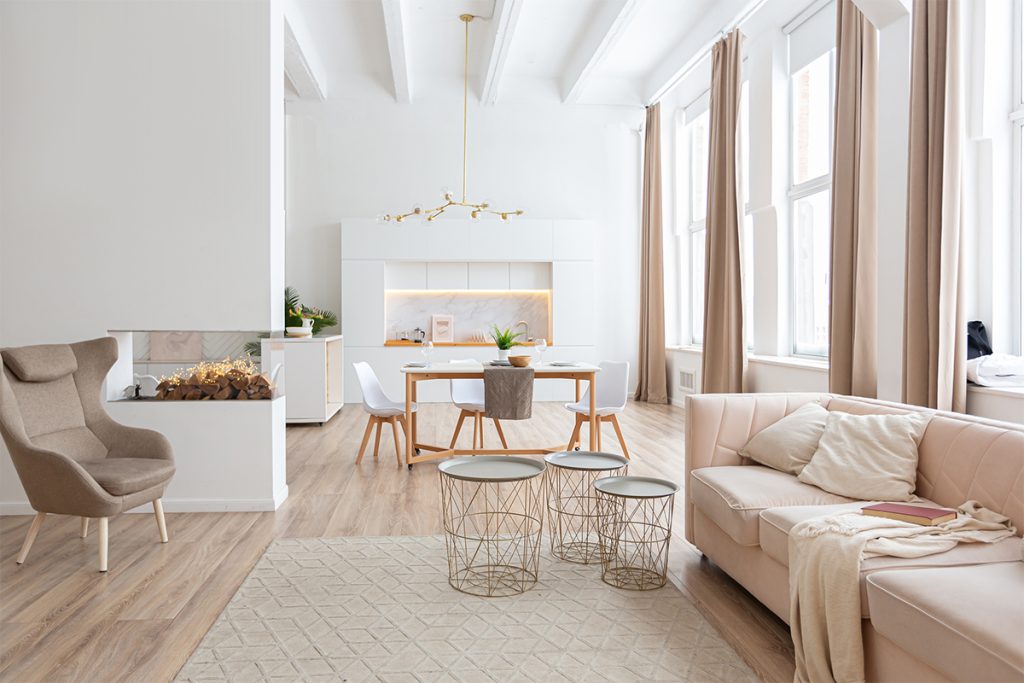
- Sofa beds: These provide comfortable seating by day and transform into a bed by night, making them ideal for compact urban apartments or guest rooms.
- Storage ottomans: Beyond their utility as seating or footstools, these pieces often come with hidden storage compartments, perfect for stashing away blankets, magazines, or children’s toys.
- Drop-leaf tables: These tables are versatile enough to function as small desks for work and expand into dining tables when hosting family or friends.
When selecting these items, ensure they complement your home’s aesthetic to maintain a cohesive look. This approach to furniture allows for personal expression without sacrificing practicality.
4. Embrace Open Shelving
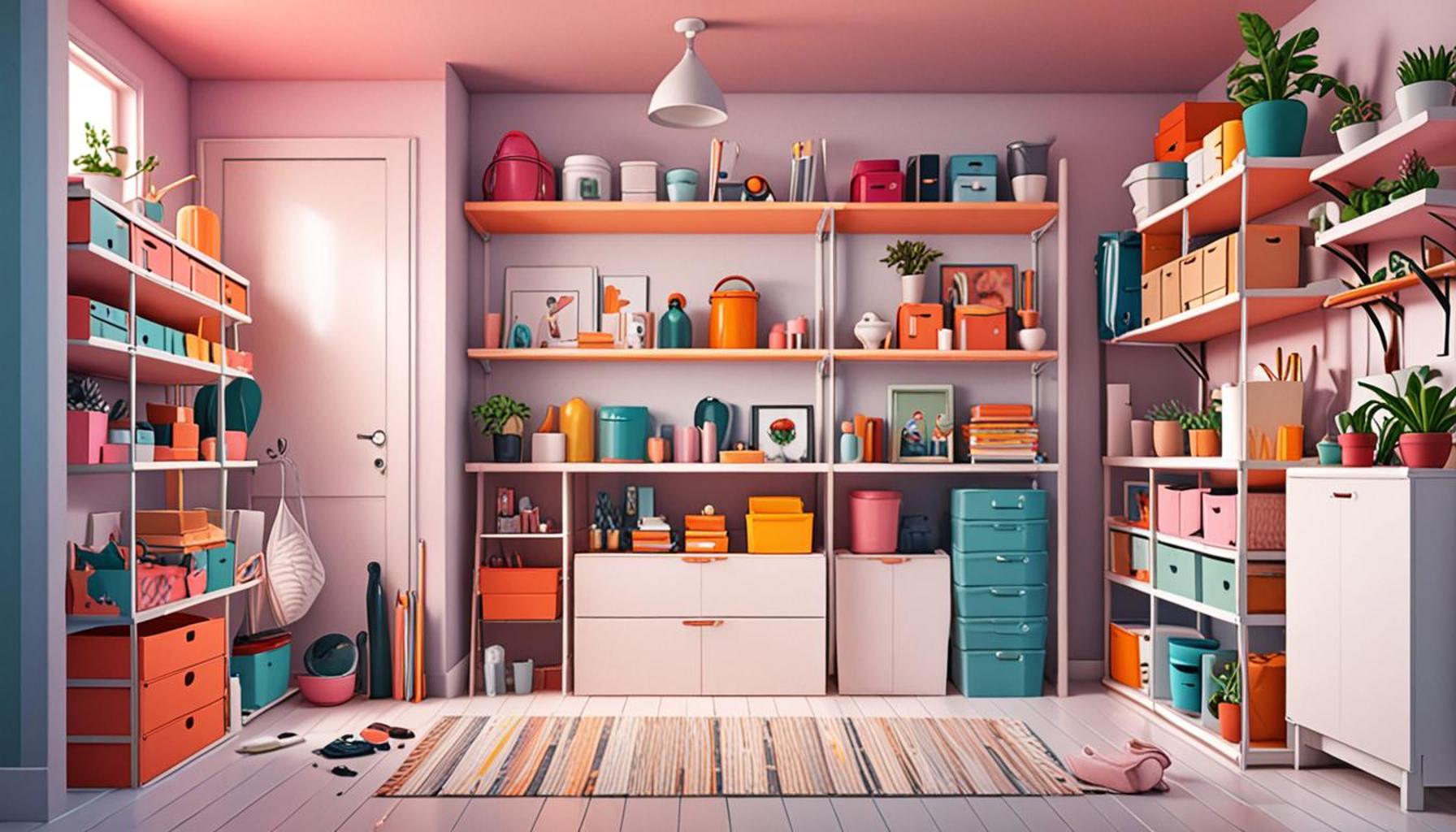
Another pivotal strategy is the implementation of open shelving. Unlike bulky closed cabinets, open shelves offer a visually lighter and more accessible way to organize items. They provide the opportunity to turn everyday objects into part of your home’s decor by displaying only what matters most.
However, open shelving requires thoughtful curation. It encourages you to select a few quality items rather than filling shelves to overflow. Use baskets or boxes to group similar items for a uniform and tidy look. This method not only improves visual appeal but also encourages regular tidying, reinforcing a minimalist lifestyle that is both orderly and pleasing.
3. Organize with Clear Containers
Minimalism also endorses efficient organization, with clear containers being a practical solution. These containers allow you to instantly identify the contents, eliminating the need for time-consuming searches through cluttered drawers or cupboards. This transparency also reduces the tendency to buy duplicates, promoting a culture of thoughtful purchasing and use.
- Labeling: Clear labels add another layer of organization, helping you quickly find exactly what you need.
- Sizes: Utilize an array of container sizes to accommodate different items, from large for bedding to small for stationery.
- Stacking: Leverage vertical space by stacking containers, which maximizes storage potential in closets or pantries.
The use of clear containers cultivates a structured environment where every item has a designated, easily accessible spot, supporting a clutter-free lifestyle.
2. Incorporate Natural Light
The importance of natural light in a minimalist home cannot be overstated. It has the remarkable ability to make spaces appear larger and more inviting, aligning with the minimalist goal of maintaining an airy, open atmosphere.
Enhancing natural light can be achieved through a few strategic implementations:
- Mirrors: Placed strategically, mirrors can reflect natural light, amplifying its reach and making rooms feel more spacious.
- Light colors: Employing a palette of whites and soft neutrals on walls and furnishings enhances the reflection of light, brightening spaces more effectively.
- Window treatments: Opting for sheer curtains or light-filtering blinds allows natural light to penetrate the home without sacrificing privacy.
The infusion of natural light enriches the home environment, fostering a sense of calm and well-being while supporting an energy-efficient lifestyle.
1. Declutter Regularly
At the heart of minimalism lies the practice of regular decluttering. This process is as much about a shift in mindset as it is about physical organization. By adopting an attitude of intentionality, you value space and functionality over the accumulation of belongings.
Here are some approaches to make decluttering a habitual practice:
- One in, one out: This method encourages balance; for every new purchase, remove an existing item from your home.
- Seasonal declutters: Use seasonal changes as a natural opportunity to review possessions and shed the unnecessary.
- Emotional attachment: Commit to keeping only items that truly bring joy or serve a purpose. This often involves letting go of the sentimentally cluttered pieces.
By continuously refining what you own, you pave the way for a minimalist lifestyle that enhances both mental clarity and physical space, ultimately leading to a more fulfilling home experience.
The adoption of these five minimalist principles can revolutionize your home environment, turning it into a sanctuary of simplicity and efficiency. Each strategy contributes to a home that is not only functional but also refreshing and harmonized, reflecting a lifestyle that values quality over quantity and presence over possession.
| Advantages | Details |
|---|---|
| Enhanced Focus | By implementing minimalist principles, you reduce clutter in your space, which can significantly improve concentration and productivity. |
| Increased Functionality | Optimized use of space is a hallmark of minimalism. Every item has its place, contributing to a more functional environment that supports your daily activities. |
| Stress Reduction | A well-organized space promotes a sense of calm. Minimalist design can alleviate feelings of overwhelm caused by excess possessions. |
| Sustainability | Adopting a minimalist lifestyle often encourages sustainable choices, as it prompts individuals to buy less and choose quality, thereby reducing their carbon footprint. |
When applied effectively, these minimalist principles can transform even the most chaotic spaces into serene havens, offering opportunities for functionality and mental clarity. The essence of minimalism isn’t merely about reducing items but enhancing one’s experience within a space. Incorporating multifunctional furniture, such as a desk that doubles as a dining table, is a practical approach. This dual-purpose design not only maximizes space but also infuses creativity into everyday living, thus nurturing an environment that prioritizes both aesthetics and utility.Moreover, minimalism emphasizes the idea of purposeful possessions. Each item you choose to retain should serve a clear function or evoke joy. This philosophy can lead to a more curated collection of belongings that support a thoughtful lifestyle, encouraging you to appreciate what you truly own. Engaging with this perspective invites individuals to reassess their consumer habits, often leading to more conscious purchases that align with their values.As the principles of minimalist living gain traction globally, they herald a paradigm shift in how we perceive our environments. Embracing the minimalistic approach can lead to profound benefits, from mental well-being to a more sustainable way of living. By prioritizing efficiency and intentionality in our homes, we pave the path towards a fulfilling and enriched experience in our daily lives.
Frequently Asked Questions about Creating Efficient Spaces at Home with Minimalist Principles
What are the fundamental principles of minimalism in home design?
The core of minimalist home design lies in its emphasis on simplicity and functionality. It involves decluttering and selecting essential elements that serve a clear purpose. Minimalism advocates for clean lines, open spaces, and a neutral color palette to create a serene and focused environment. By reducing distractions, minimalism enhances both visual clarity and mental tranquility, making living areas efficient and harmonious.
How can minimalism help achieve more efficient use of space at home?
Minimalism aids in maximizing space by encouraging the elimination of superfluous items. This approach fosters creativity in utilizing available space, often employing multifunctional furniture and smart storage solutions. For instance, transformable furniture—such as a sofa bed or an extendable dining table—can significantly enhance the functionality of a room. The goal is to ensure that every piece not only looks good but also serves a purposeful role, thus optimizing the overall use of space.
Is it expensive to adopt a minimalist approach to home design?
Contrary to popular belief, adopting a minimalist approach does not necessarily mean incurring high costs. In fact, minimalism often emphasizes quality over quantity, meaning you might invest in fewer, but better-made items that last longer. A key aspect involves repurposing existing furniture and focusing on DIY organization solutions. By being intentional about purchases and prioritizing essential needs, minimalism can be economical and environmentally friendly.
Can a minimalist home be cozy and inviting?
Absolutely! A common misconception is that minimalist homes are cold and sterile. However, minimalism can indeed be warm and welcoming. Incorporating textures, soft lighting, and natural elements like plants can add depth and comfort to minimalist spaces. The absence of clutter allows for focus on curated pieces and personal touches that reflect individual tastes, making these homes not only efficient but also uniquely inviting.
Conclusion: Embracing Minimalism for Efficient Home Spaces
Through exploring the principles of minimalism, it’s evident that creating efficient spaces at home is not only achievable but also immensely rewarding. By focusing on reducing clutter, embracing functional design, favoring quality over quantity, and fostering an environment that supports mental clarity, we can transform our living spaces into true sanctuaries.
The journey begins with a conscious decision to simplify one’s environment. This involves a careful curation process where meaningful possessions are retained, and superfluous items are eliminated. The benefits of this approach are manifold, including easier maintenance, increased space, and a sense of peace that comes from fewer distractions.
Rethinking Organization and Aesthetic
Another key takeaway is the importance of integrating efficient storage solutions that complement a minimalist aesthetic. These solutions help maintain order and allow for quick access to essentials, proving that organization is not just practical but also part of the beauty of minimalist living.
Moreover, the minimalist design encourages us to adopt intentional consumption habits, helping us to reduce waste and to live in a more environmentally conscious manner. As we curate our surroundings with intention, we find that our homes become more reflective of our values and ideals.
In essence, creating spaces that align with minimalist principles is about more than just removing physical clutter; it’s about embracing a lifestyle shift that prioritizes clarity, functionality, and tranquility. As we continue to refine these spaces, they in turn refine us, leading to enhanced well-being and personal growth. For those intrigued, further exploration in the field of minimalism can unveil countless opportunities to enhance not only our homes but also our lives.