The impact of performing arts on early childhood education: Fostering creativity from an early age
Importance of Performing Arts in Early Education
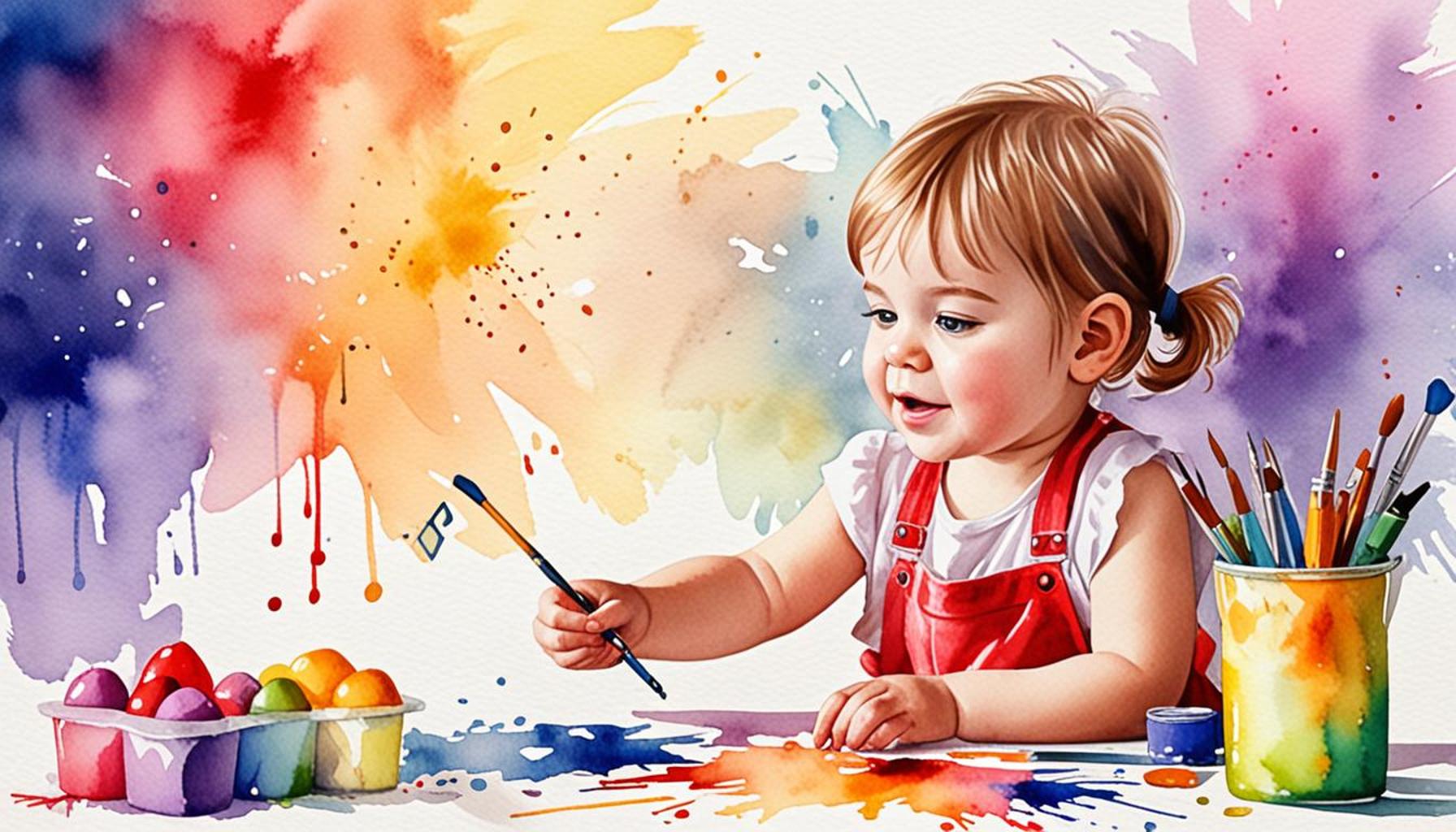
The realm of performing arts offers a vibrant platform for expression, engaging young minds and nurturing their creativity. As educators and parents seek ways to enhance early childhood education, the inclusion of arts in learning environments has become increasingly significant. Studies show that children immersed in performing arts cultivate essential skills that are invaluable throughout their lives.
Key Benefits of Performing Arts
Research highlights several key benefits of integrating performing arts into early education, which can lead to profound long-term effects on children’s development.
- Enhanced Creativity: Engaging in drama, music, and dance helps children explore their imagination. For instance, activities like role-playing or improvisational theater allow kids to generate ideas and visualize scenarios, fostering a sense of creativity that can spill over into academic subjects like writing and science.
- Improved Social Skills: Collaborating in performances fosters teamwork and communication. Whether children are participating in group dance routines or orchestrating a play, they learn to listen to others, negotiate their ideas, and build relationships. This teamwork is crucial for their future interactions in school and beyond.
- Boosted Confidence: Performing in front of others empowers children and encourages self-expression. Many children experience stage fright, but with practice, they often overcome this fear, which can lead to greater self-esteem and public speaking skills essential for their personal and professional lives.
- Critical Thinking Development: Analyzing roles and narratives promotes problem-solving skills. In theater, for example, children must decipher character motivations and plot developments, fostering their ability to think critically and consider multiple perspectives.
Real-life Examples and Programs
In the United States, programs such as Arts for All demonstrate the profound impact of performing arts in schools. Based in California, this initiative strives to provide equitable access to quality arts education, helping schools integrate arts into their curricula. Research following the program has shown significant increases in student engagement and academic performance, illustrating how arts education contributes to a holistic learning experience.
Furthermore, schools across the country that have adopted performing arts curricula report improvements not only in arts-related skills but also in standardized test scores. For instance, schools on the East Coast have implemented theater programs, resulting in a 15% increase in literacy rates among participants compared to their peers who did not participate in the arts.
Conclusion
By weaving the arts into the fabric of education, we can sow the seeds of creativity in our youngest learners, preparing them for a world that increasingly values innovation. As we explore and support the role of performing arts in education, it becomes clear that investing in these programs lays the groundwork for future generations to thrive both personally and professionally.
DIVE DEEPER: Click here to discover more
Cultivating Imagination Through Artistic Expression
Integrating performing arts into early childhood education serves as a powerful means of cultivating children’s imagination and unlocking their creative potential. By participating in activities such as music, dance, and theater, children are encouraged to express their thoughts and emotions, enhancing their ability to visualize and conceptualize ideas. This early exposure to the arts not only stimulates creativity but also lays the foundation for critical cognitive skills.
Engagement and Exploration
The performing arts provide a dynamic platform where children can engage, explore, and experiment. Through the rhythms of music or the movements of dance, kids learn to appreciate the nuanced communication that lies beyond words. Here are a few ways performing arts contribute to their growth:
- Emotional Expression: Performing arts help children identify and articulate their feelings. By engaging in creative activities, they learn to channel their emotions into a performative medium, which aids in emotional regulation.
- Physical Coordination: Dance and theater require a level of physicality that aids in developing motor skills. Through movement, children enhance their coordination and balance, which can translate to better physical health and activity participation later in life.
- Language Development: Singing and dialogue in drama enhance children’s vocabulary and pronunciation. The incorporation of songs and storytelling encourages verbal skills that are crucial for literacy development.
- Cultural Awareness: Performing arts often showcase diverse perspectives and cultural histories. Through exposure to different forms of expression, children gain a deeper understanding and appreciation for the richness of various cultures.
The Science Behind the Arts and Learning
Numerous studies support the link between engaging with performing arts and academic achievement. A report by the Arts Education Partnership indicates that students involved in arts programs perform better academically than their peers. Notably, the National Endowment for the Arts found that children engaged in music and drama are often more successful in subjects like math and reading. These findings suggest that the arts are not merely supplemental but integral to a child’s overall education.
Furthermore, neuroplasticity plays a crucial role here; the brain is remarkably adaptable during early childhood. Engaging in creative arts activates numerous areas of the brain associated with problem-solving, critical thinking, and emotional intelligence. Thus, providing young learners with opportunities to interact with the arts fosters pathways that stimulate cognitive growth and enhance their overall learning experience.
As we examine the landscape of early childhood education, the performing arts emerge not just as an enrichment activity but as a vital component that nurtures the holistic development of young minds. By embracing the arts in educational settings, we create environments that spark curiosity and propel children toward a future full of possibilities.
| Advantages | Impact |
|---|---|
| Enhanced Communication Skills | Engaging in performing arts activities hones children’s verbal and non-verbal communication, allowing them to express ideas and emotions effectively. |
| Boosted Confidence | Participation in performances encourages children to showcase their talents, building self-esteem and encouraging them to take risks creatively. |
The profound influence of performing arts on early childhood education is evidenced through an array of benefits. One notable advantage is the enhanced communication skills that arise from involvement in drama, dance, and music. Children learn to articulate their thoughts and feelings, further strengthening their understanding of social interactions and emotional intelligence.Moreover, engaging in performing arts can lead to an increase in boosted confidence. As children participate in various performances, they not only gain the experience of being in front of an audience but also foster a sense of achievement. This journey of self-expression and risk-taking lays the groundwork for a lifetime of creative exploration. By nurturing these essential skills early on, educators can help children unlock their fullest potential, preparing them to navigate the increasingly complex world. Ultimately, these early experiences in the performing arts significantly contribute to a child’s overall development, promoting cognitive growth and social cohesion, aspects that play a crucial role in their lifelong learning journey. Through this engaging medium, creativity flourishes, ensuring that children become innovative thinkers and empathetic individuals, ready to explore various paths in life.
DISCOVER MORE: Click here for inspiration
Building Social Skills Through Collaborative Performance
The benefits of performing arts in early childhood education extend beyond individual creativity; they also play a significant role in developing social skills. When children engage in group activities such as drama classes or musical ensembles, they learn to collaborate, communicate, and negotiate with their peers. These interactions provide a vital opportunity for kids to practice teamwork and experience the joys and challenges of working with others.
Teamwork and Cooperation
Participating in performing arts creates a community-oriented environment where children learn the importance of teamwork. In a theater production, for example, each child has a role to play. They must listen to one another, share ideas, and support their peers to create a successful performance. This process cultivates a sense of belonging, as students work together towards a common goal, laying the groundwork for strong relationships both inside and outside of the classroom.
Fostering Empathy and Understanding
Engaging in performing arts also helps children develop empathy by stepping into various characters and narratives. When children portray different roles, they gain insights into the emotions and experiences of others. This ability to understand diverse perspectives is crucial, as research indicates that fostering empathy in early childhood can lead to more compassionate and inclusive behavior later in life. The role of empathy extends not only to interactions among peers but also to their understanding of different cultures, fostering a more harmonious society as they grow.
Boosting Confidence Through Performance
Performing in front of an audience presents a unique challenge that helps build a child’s self-esteem. Whether it’s a solo singing performance or a group dance routine, these experiences require children to engage in public speaking and performing—skills that translate into improved confidence in various aspects of life. According to a study conducted by the Arts Education Partnership, students involved in performing arts programs report higher levels of confidence and self-worth compared to their peers not engaged in similar activities.
Setting the Stage for Future Success
The skills acquired through performing arts in early childhood education prepare children for future educational settings and social interactions. As they learn to embrace constructive feedback during rehearsals and performances, they become more resilient and open to learning from their mistakes. In an educational landscape that increasingly values creativity and innovation, the ability to take risks and adapt will serve them well throughout their academic and professional lives.
Encouraging Lifelong Learning
Introducing performing arts at a young age can instill a love for creativity that extends long beyond the classroom. Children exposed to the arts are more likely to continue exploring various creative avenues as they progress through their education. This passion for artistic expression nurtures critical thinking and problem-solving abilities, encouraging children to pursue interests in multiple fields, from the sciences to humanities, all while maintaining a creative approach.
As we delve into the broader implications of teaching performing arts within early childhood education, it becomes evident that the integration of these creative outlets shapes not just individual outcomes but also cultivates a more innovative and empathetic society. The dynamic interaction between creativity and education fosters a generation of thinkers and creators who can navigate life’s complexities with both heart and intellect.
DISCOVER MORE: Click here to dive deeper
Conclusion: The Transformative Power of Performing Arts in Early Childhood Education
The potential of performing arts as a cornerstone of early childhood education cannot be overstated. By integrating creative disciplines such as theater, dance, and music into educational curricula, we empower children to develop vital skills that extend far beyond the stage. The collaboration inherent in performing arts cultivates essential social skills, fostering teamwork, communication, and empathy. These experiences help children navigate their emotions and understand others’ perspectives, paving the way for a more compassionate society.
Moreover, the confidence gained through performing encourages children to express themselves boldly, preparing them to face future challenges with resilience. As they learn to accept and grow from feedback, they are equipped to tackle both academic and personal endeavors with creativity and a problem-solving mindset. Early exposure to the arts instills a lifelong love for creative exploration, encouraging children to remain engaged learners throughout their lives.
The implications of these findings prompt a call to action for educators, policymakers, and families alike. Investing in performing arts education can serve as a catalyst for nurturing active, innovative, and empathetic future leaders. As our society increasingly values creativity in all fields, it is paramount that we prioritize the arts in early education. By doing so, we not only enrich individual lives but also cultivate a generation capable of meeting the complexities of our world with imagination and heart.