How Performing Arts Can Promote Awareness of Social and Political Issues
The Power of the Performing Arts in Social Commentary
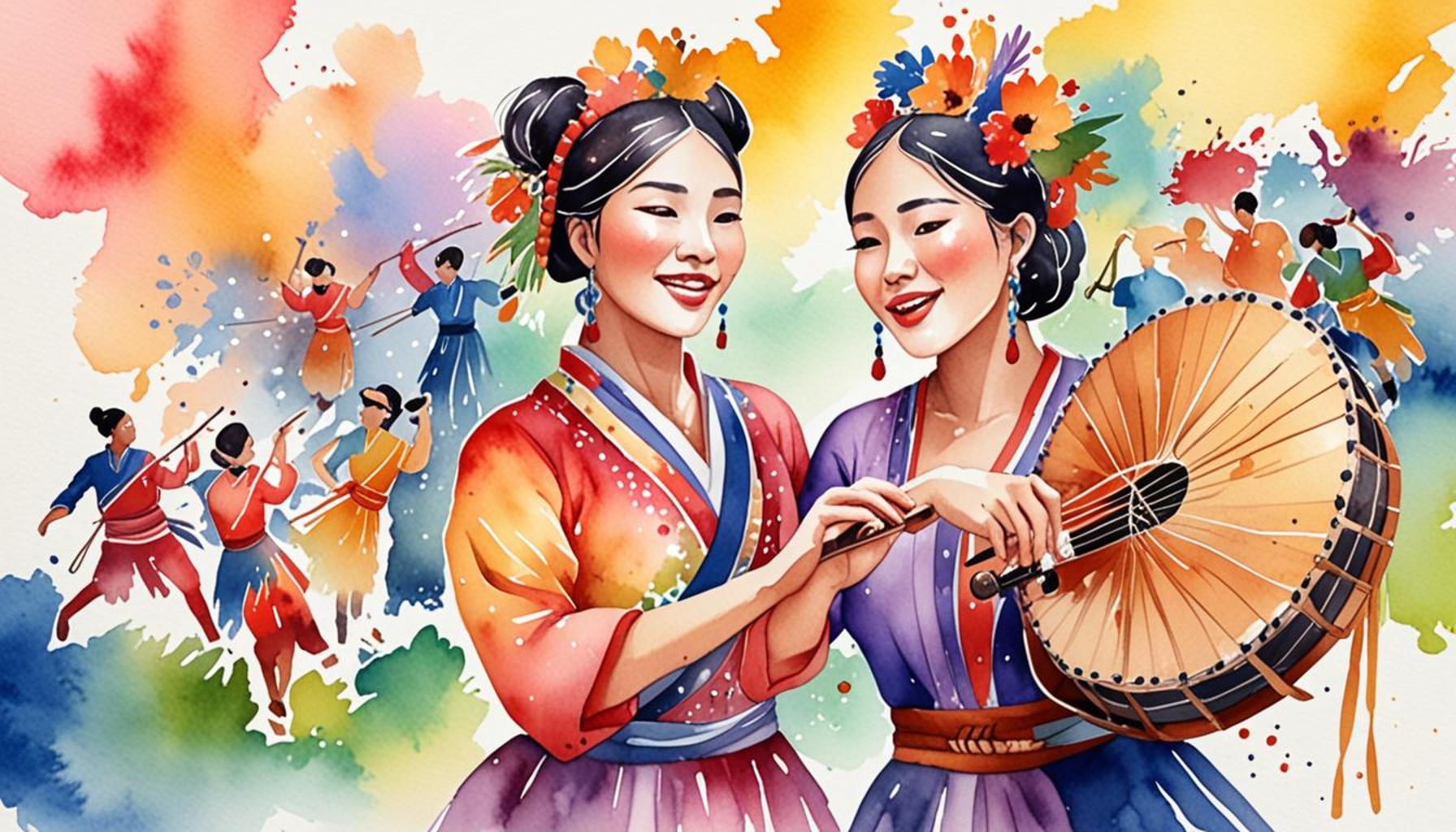
The performing arts have long served as a powerful medium for expression, transcending mere entertainment. They foster conversations around critical social and political issues that shape our communities. From theater to dance, this dynamic field not only mirrors society but also ignites change.
Consider how these art forms can:
- Raise consciousness about social injustices.
- Encourage public dialogue on political matters.
- Empower marginalized voices through storytelling.
Art as a Mirror of Society
The reflection of society in the performing arts has a deep roots in history. For instance, during the civil rights movement, artists like playwright Lorraine Hansberry, through her work A Raisin in the Sun, highlighted the struggles and aspirations of African Americans. This not only provided audiences insight into the realities of racial discrimination but also inspired many to engage in advocacy and activism themselves.
Modern Examples of Activism Through Performance
In the United States, artists have leveraged their talents to address pressing concerns. Works like Lin-Manuel Miranda’s Hamilton break the mold by reimagining American history through a multicultural lens, addressing topics of race, immigration, and economic disparity. This innovative approach not only entertains but also educates audiences on the complexities of America’s founding and the ongoing struggles surrounding these issues.
Furthermore, the performances associated with the Black Lives Matter movement serve as a powerful testament to the nexus of art and activism. Be it through protest performances, street theater, or social media, artists have utilized their platforms to draw attention to systemic racism and police violence. These creative expressions create an emotional resonance, making the issues more relatable and igniting public discourse.
Engaging the Audience: More Than Just Entertainment
By engaging audiences emotionally and intellectually, the performing arts can provoke a deeper understanding of complex issues. They stimulate critical thinking and inspire individuals to consider their roles within societal structures. When a piece of theater or dance challenges the status quo, it has the potential to shift perspectives, spur conversations at dinner tables, and even influence policy decisions.
This article explores how these creative endeavors illuminate pathways for awareness and action, inviting reflection on how we can engage with our social world more thoughtfully. As we see the intersection of creativity and activism continually evolve, it prompts a vital question: how can we, as consumers of these narratives, leverage the insights gained from arts to advocate for positive change within our communities?
Ultimately, the performing arts are not just about performance; they serve as a powerful tool for understanding, engagement, and transformation within society, making vital contributions to social progress and political discourse.
DISCOVER MORE: Click here to dive deeper
Driving Change Through Storytelling in the Arts
At the heart of the performing arts lies a unique ability to tell stories that reflect the experiences of diverse communities. This narrative power goes beyond entertainment; it serves as a vital conduit for raising awareness about social and political issues. Artists have the capacity to encapsulate complex themes in relatable ways, allowing audiences to experience the realities of others, often leading to greater empathy and understanding.
The importance of storytelling in this context is profound. By presenting experiences often marginalized or silenced, performing arts can:
- Illuminate historical injustices, connecting past and present struggles.
- Foster empathy for those different from ourselves.
- Challenge stereotypes, reshaping perceptions within society.
- Encourage active participation in dialogues aimed at social change.
Theatre as a Tool for Social Change
The theater has historically been a stage for critical discourse. Productions like The Laramie Project, which chronicles the response to the hate crime against Matthew Shepard, serve to confront homophobia and advocate for LGBTQ+ rights. Through its dramatization of real events, the play not only heightened awareness but also spurred discussions about acceptance, inclusivity, and policy reform to protect marginalized communities.
Moreover, community theater initiatives around the country often engage local residents in creating performances based on their experiences. This grassroots approach nurtures a space for dialogue on pressing issues such as poverty, race relations, and educational inequities. When local artists and community members collaborate, they provide audiences with narratives that may challenge their preconceived notions and inspire collective action.
Dance as a Catalyst for Change
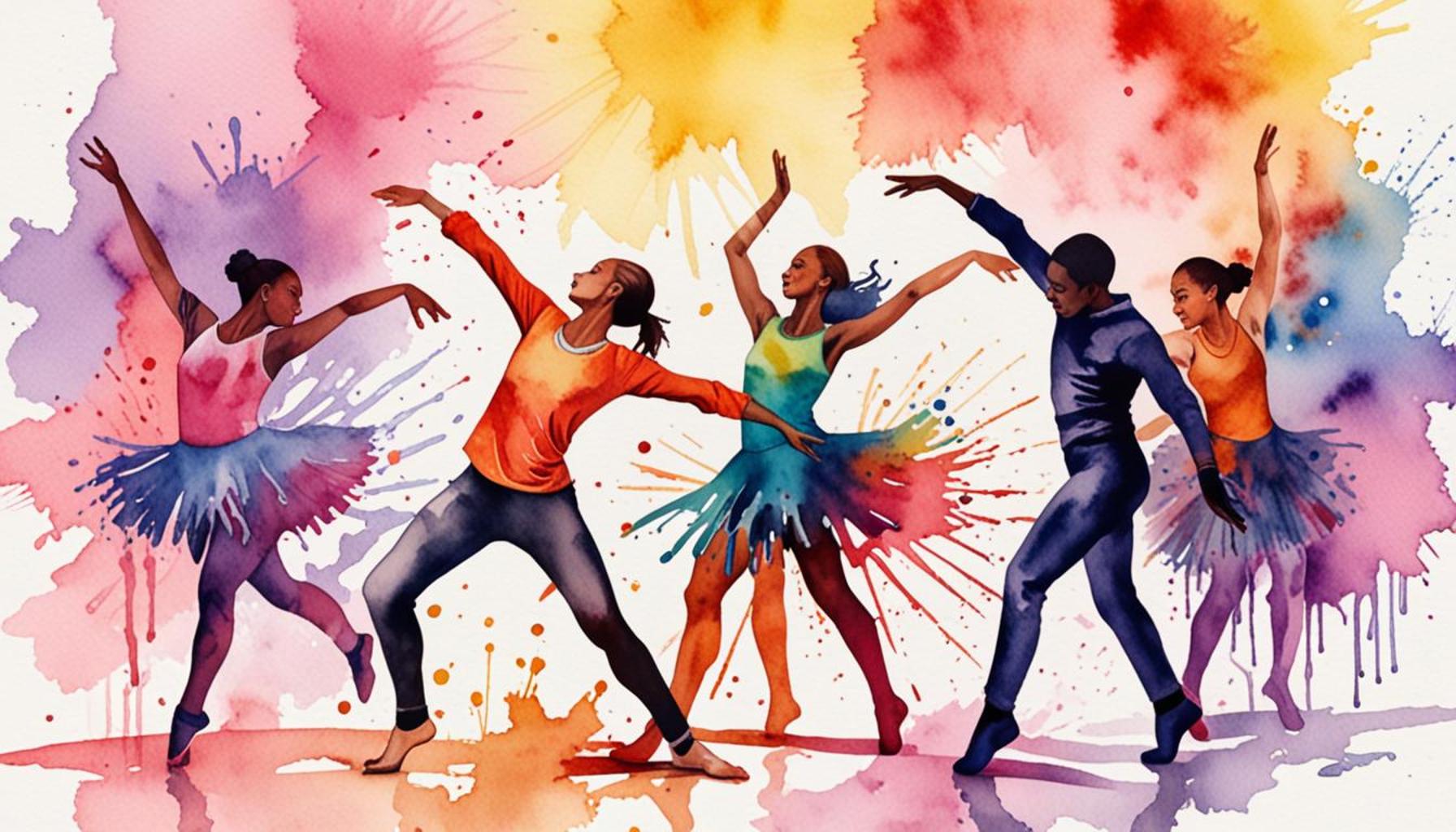
Dance, another expressive form of performing arts, is equally potent in conveying messages of social justice. Contemporary choreographers tackle themes such as identity, gender inequality, and systemic oppression through movement. For instance, Alvin Ailey American Dance Theater has been a pioneering force in celebrating the African American experience, engaging audiences with works that reflect cultural heritage and the ongoing fight for equality.
Furthermore, dance can transcend language barriers, making it a universal medium for communication. Performers can express emotions and experiences that resonate across different cultures and societies, thus fostering a global conversation about shared struggles and triumphs.
Through these forms of storytelling, the performing arts create immersive experiences that encourage viewers to confront uncomfortable truths about societal norms and injustices. As audiences engage with these narratives, they are invited to reflect on their own beliefs and actions, propelling them toward civic engagement and activism.
Ultimately, the symbiotic relationship between the performing arts and social consciousness is undeniable. As we explore these powerful connections, it becomes increasingly clear that art not only captures the essence of human experience but also serves as a beacon for change, urging us to question, learn, and act in pursuit of justice.
| Categories of Impact | Description |
|---|---|
| Social Awareness | Performing arts can highlight key social issues such as inequality, racism, and climate change, engaging audiences emotionally and intellectually. |
| Political Engagement | The arts can act as a platform for political expression, inspiring activism and encouraging discourse on governance and policy changes. |
Through various forms of expression, including theater, dance, and music, performers can capture the essence of societal challenges, making the complex simple and relatable. For instance, plays that depict the struggles of marginalized communities serve not only as entertainment but also as an educational tool, fostering empathy and understanding. This approach allows audiences to connect on a personal level while also stimulating critical conversations surrounding urgent matters.Moreover, the theatrical arts often attract diverse audiences, amplifying the reach of vital messages across different demographics. By invoking powerful emotions, artists can incite reflection and motivate individuals to take action. Collaborative performances and community initiatives are particularly effective, as they not only entertain but also unite participants in a shared mission for awareness. As societal conditions evolve, so too will the themes explored through performance, ensuring that the dialogue surrounding social and political issues remains vibrant and relevant.
DIVE DEEPER: Click here to discover more
Music’s Role in Advocacy and Awareness
Music has long been a vehicle for social commentary and can effectively raise awareness about social and political issues. From the protest songs of the Civil Rights Movement to contemporary musicians addressing climate change and inequality, music resonates with audiences on a deeper emotional level. Through lyrics, melodies, and rhythms, artists can articulate sentiments that inspire unity and provoke thought.
For instance, artists like Beyoncé and Kendrick Lamar have woven activism into their art, using their platforms to discuss race relations, police brutality, and gender equality. They not only highlight pertinent issues but also resonate with younger audiences, fostering a culture of activism that transcends traditional media. Collaborative initiatives like “Black Lives Matter” concerts unite audiences around shared causes, transforming enjoyment of music into a springboard for advocacy.
Musicals That Illuminate Social Justice
Broadway has also capitalized on the power of music and drama to address serious societal issues. Notable productions like “In the Heights” and “Hamilton” highlight the immigrant experience and the complexities of American history, respectively. These shows not only entertain but also provide an educational lens through which audiences can reflect on their views regarding identity and heritage.
Moreover, the engagement doesn’t stop at the stage. Such productions often inspire discussions and workshops that allow audiences to delve deeper into the intertwined histories and sociopolitical structures represented in the narratives. This multi-dimensional approach serves to unlock conversations around discrimination, acceptance, and resilience, further cultivating a community informed about its social landscape.
Interdisciplinary Approaches in Performing Arts
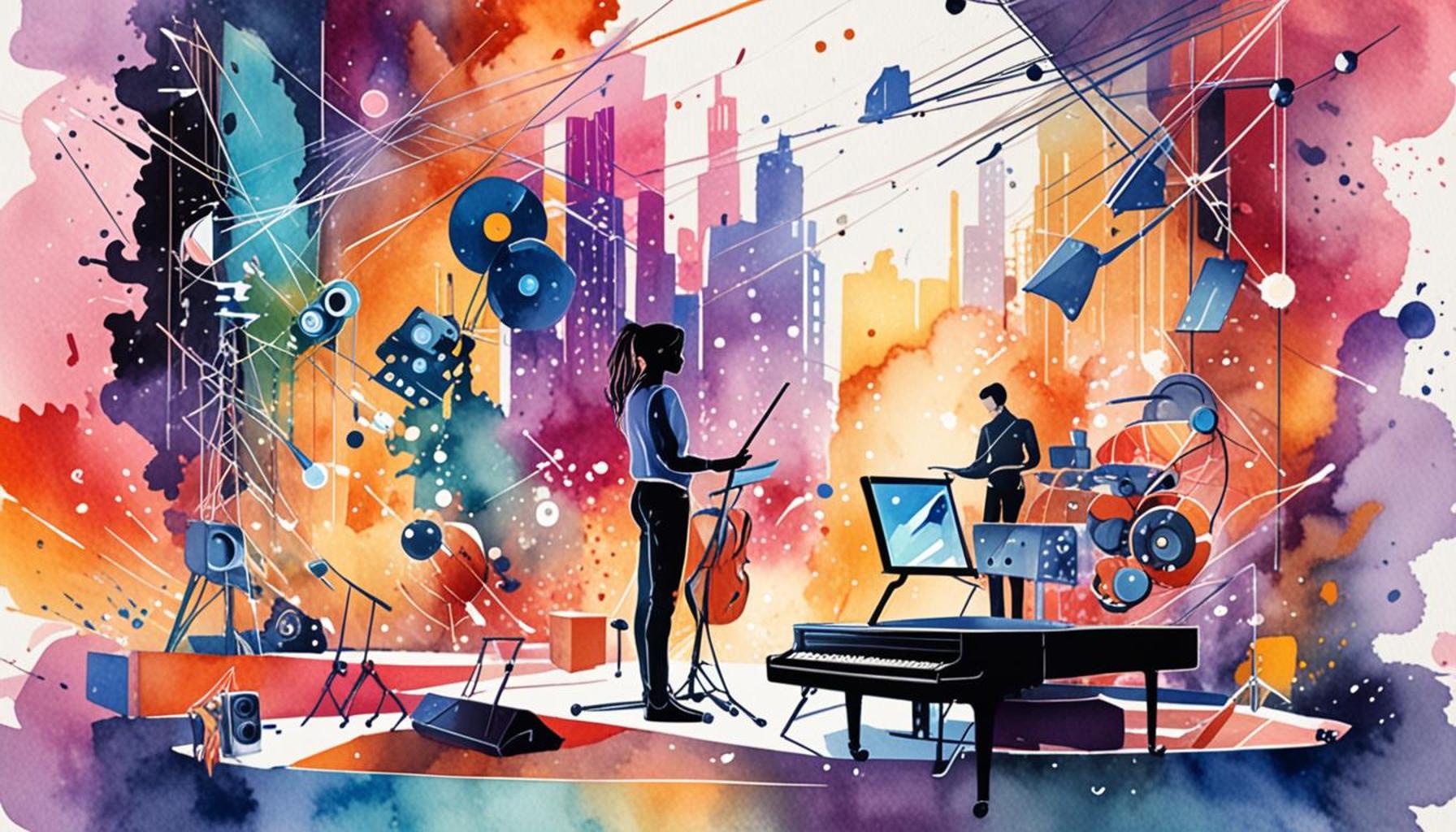
The merging of various artistic forms can enhance the impact of performance in conveying critical messages. For example, theatrical performances combined with visual arts and multimedia elements can create immersive experiences that captivate audiences and foster discussions around pivotal topics. An example can be seen in performances that involve visual projections that bring historical events to life, transforming a simple act into a fully realized narrative that challenges perceptions.
Additionally, organizations like Creative Time have successfully launched public art generated by performances that address specific social and political themes, such as immigration policy and housing inequality. Such projects invite members of the community to become part of the dialogue, facilitating arts-led movements for change that resonate beyond the performance itself.
The Global Influence of Performing Arts
The power of the performing arts to raise social consciousness extends well beyond the United States. Around the globe, artists utilize their crafts to spotlight local issues relevant to their specific contexts. For example, theatre troupes in South Africa use performance to address the legacies of apartheid, allowing communities to engage in healing and dialogue. In Brazil, samba music has been pivotal in narrating the stories of marginalized communities, rebelling against political oppression and economic injustice.
This global perspective showcases the universal nature of art as a tool for advocacy. It highlights how differently localized issues resonate on a broader scale, inviting intercultural reflection and solidarity among global audiences. Through performances that transcend borders, we witness the remarkable capacity of the arts to forge connections and inspire movements toward justice, ultimately leading to a more informed and engaged public.
DISCOVER MORE: Click here to delve deeper
Conclusion
In an ever-evolving landscape of social and political discourse, the performing arts emerge as a transformative medium capable of igniting awareness and inspiring change. With their unique ability to convey complex narratives and evoke emotional responses, art forms such as theater, music, and dance not only entertain but also educate and mobilize communities around pressing issues. By integrating social commentary into their work, artists from different backgrounds challenge audiences to reflect on their values and take action in the face of injustice.
The examples of celebrated figures like Beyoncé and Kendrick Lamar highlight how music can serve as a powerful tool for advocacy, while the long-standing tradition of thought-provoking musicals underscores the potential of theater to foster discussions about identity, history, and justice. Moreover, interdisciplinary collaborations and global perspectives illustrate the universality of art as a means to address localized issues that resonate on a broader scale.
Ultimately, the engaging nature of performing arts offers a platform for dialogue and reflection, inviting individuals to recognize their roles in shaping societal narratives. As audiences continue to connect with performances that both challenge and celebrate their experiences, the potential for arts-led movements to stimulate change remains vast. The question we must ask ourselves is: how can we leverage the power of the performing arts to not only understand but also shape our collective future? By remaining attentive to the voices within the arts, we may find pathways to solidarity, awareness, and ultimately, profound societal transformation.