The Role of Music in Education: How Learning to Play an Instrument Can Enrich Child Development
Understanding the Role of Music in Child Development
Music serves as a vibrant and multifaceted form of expression that extends far beyond mere entertainment. Its integration into educational environments can ignite profound changes in a child’s cognitive, emotional, and social development. When children learn to play an instrument, they embark on a journey that can yield benefits spanning their academic and personal lives. Research shows that musical training can enhance various aspects of development, igniting a passion for creativity that can influence a child’s future.
- Cognitive Development: Engaging with music can significantly sharpen a child’s memory and enhance their spatial-temporal skills. For example, studies have demonstrated that students involved in music education perform better in math and science-related subjects due to the complex understanding of patterns and spatial relationships that music requires. A well-known study from the University of California, Irvine found that children who received piano lessons showed marked improvements in their ability to solve complex problems compared to their peers without musical training.
- Emotional Growth: The process of learning to play an instrument is an intimate form of self-expression that can substantially boost a child’s self-esteem. As children overcome challenges related to learning music, they experience a sense of accomplishment, leading to increased confidence. For instance, a child who struggles with anxiety may find solace in playing the guitar, using music as a means of expressing their emotions and navigating feelings they may find difficult to articulate verbally.
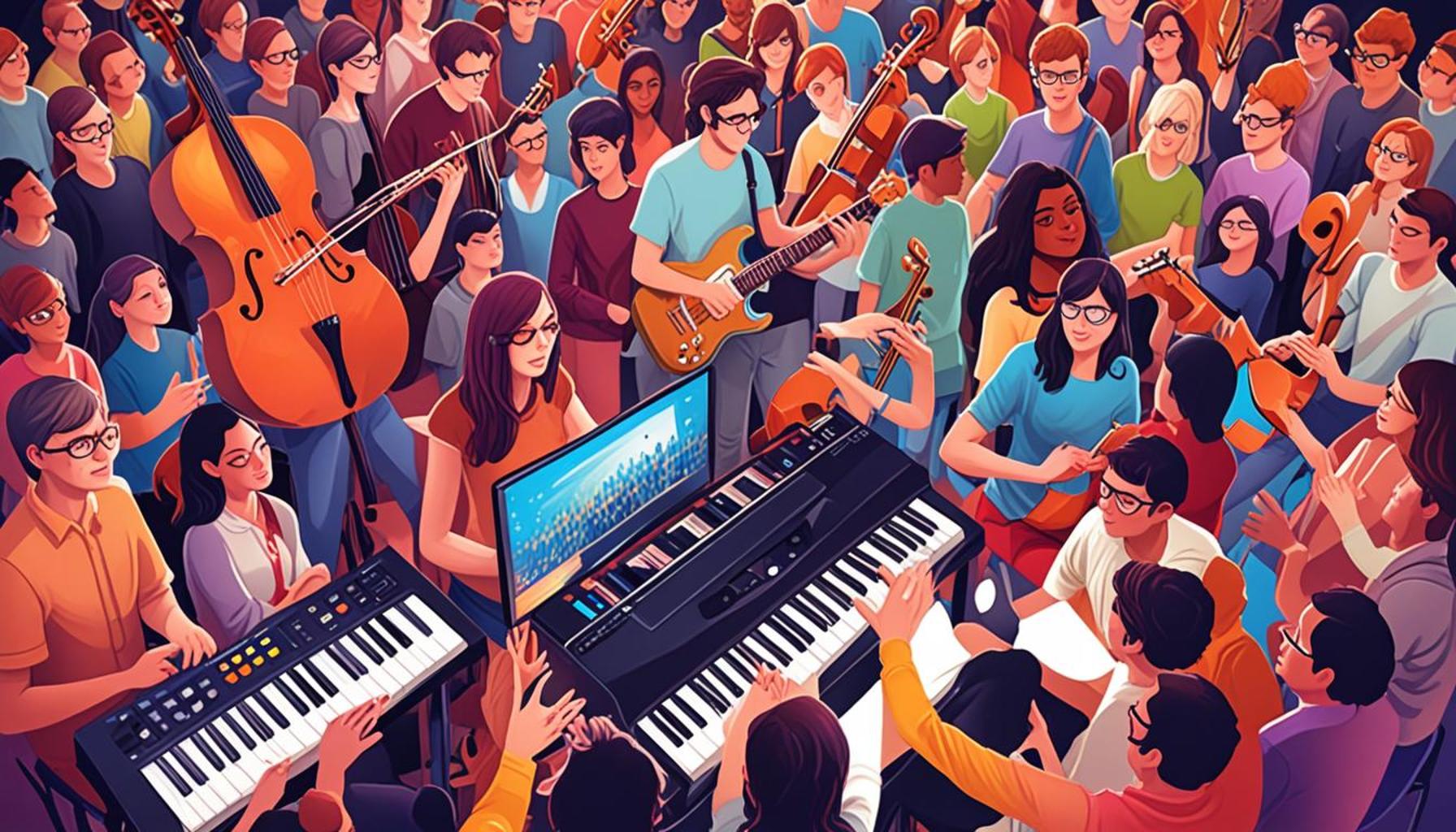
- Social Skills: Participating in group lessons or ensemble performance creates opportunities for children to enhance their teamwork and communication skills. Through playing music with others, children learn vital lessons in cooperation, patience, and understanding perspectives different from their own. Programs like school bands or orchestras not only foster friendships but also cultivate a sense of belonging and community among peers.
Despite the clear benefits of music education, its availability in the United States remains inconsistent. While some school districts invest in robust music programs that provide a variety of instruments and genres for students to explore, others face budgetary limitations that lead to the gradual elimination of arts education. This discrepancy highlights the need for advocacy and appreciation of music in educational frameworks—a reminder that music can be a cornerstone of holistic child development.
As we delve deeper into how music intersects with education, it is essential for both parents and educators to consider not just the skillset a child gains from learning an instrument, but also the broader implications for their emotional and social development. By prioritizing music in childhood education, we can lay a solid foundation for nurturing well-rounded, innovative individuals who are prepared to face the complexities of the future.
DISCOVER MORE: Click here to learn how historical fiction can illuminate our understanding of the past
Musical Training and Cognitive Skills
When children engage in musical training, they are not merely learning to play an instrument; they are honing a series of cognitive skills that permeate various aspects of their education. Music education requires the development of complex brain functions, intertwining memory, attention, and reasoning abilities. Notably, studies have demonstrated that children who receive formal training in music often exhibit enhanced problem-solving skills and improved mathematical capabilities.
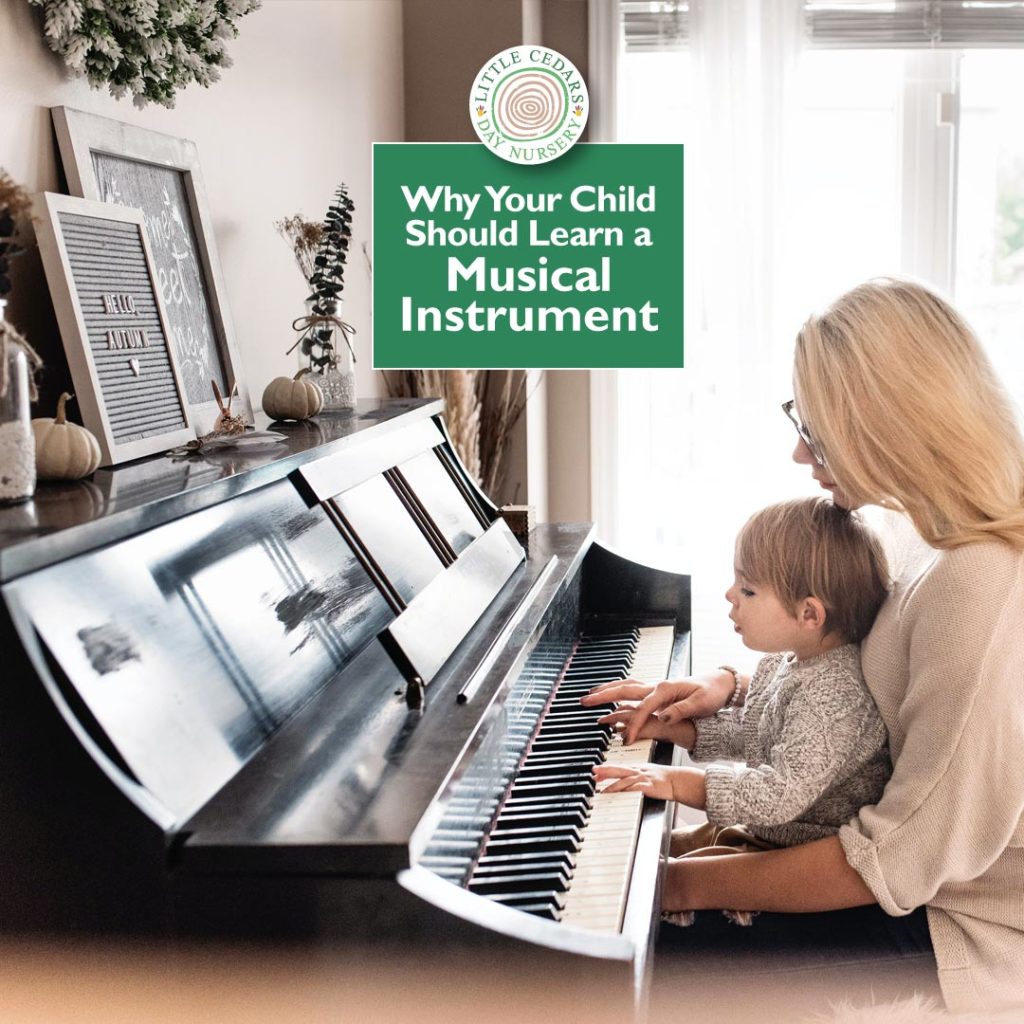
The process of learning to read music, for instance, involves decoding symbols and translating them into actions, which engages the brain in a manner similar to solving intricate puzzles. Researchers from the University of Texas found that children involved in music education scored significantly higher on standardized tests, including those assessing mathematical skills. This correlation suggests that the mental exercise involved in understanding musical concepts can lead to improved academic performance across subjects.
Language Development Through Music
Learning an instrument also plays a crucial role in language acquisition and literacy. As children practice their musical skills, they develop enhanced auditory discrimination—allowing them to hear subtle differences in tone and pitch. This heightened awareness translates into a greater ability to understand phonetics and sound patterns, which are foundational for effective reading and language skills. Research published in the journal Frontiers in Psychology indicates that children with music training exhibit greater proficiency in navigating the intricacies of language, including grammar and vocabulary comprehension.
Neuroscience of Music Education
The impact of music education on the developing brain is both profound and biologically compelling. Neurological studies show that children who participate in music programs can experience increased connectivity in areas of the brain associated with executive functions, emotional regulation, and resilience. These findings align with the observations that musically trained children often display significant improvements in concentration and discipline—a reflection of the commitment required to master an instrument.
- Enhanced Memory: Musical training boosts both short-term and long-term memory, assisting children in recalling information more efficiently.
- Improved Attention Span: The focus required to learn music translates into better attention spans during regular classroom activities.
- Critical Thinking Skills: Learning to improvise or compose music fosters creative thinking and analytical skills.
- Discipline and Time Management: Regular practice instills a strong sense of discipline, enhancing children’s ability to manage their time effectively.
With such compelling evidence supporting the cognitive benefits of music education, it is clear that integrating music into the curriculum not only enhances children’s artistic experiences but also enriches their academic journeys. As we continue to unravel the multifaceted relationship between music and education, it becomes vital to advocate for a more inclusive approach that prioritizes arts education as a cornerstone of child development.
As the relationship between music and education deepens, research continues to highlight the myriad ways in which learning to play an instrument affects a child’s overall development. This exploration unveils not only cognitive benefits but also social, emotional, and physical impacts that contribute to well-rounded growth.
The Cognitive Benefits of Learning Music
Engaging with music stimulates various brain functions, enhancing memory, attention, and problem-solving skills. For instance, learning musical notes and rhythms necessitates concentration and memorization, which can translate into improved academic performance. Studies have found that children involved in music education often excel in subjects such as math and science, due to the shared skills of pattern recognition and spatial-temporal understanding.
Social and Emotional Growth Through Music
Playing an instrument fosters crucial social skills in children. As they learn to collaborate with others in ensembles, they develop teamwork and communication skills, often forming lifelong friendships in the process. Furthermore, engaging with music offers expressive outlets for emotions, aiding in self-regulation and providing a sense of accomplishment that builds self-esteem.
Physical Development Linked to Instrument Learning
Interestingly, mastering an instrument involves physical coordination and fine motor skills. This activity necessitates the synchronization of hand and finger movements, enhancing children’s hand-eye coordination and dexterity. Additionally, the physical aspect of music—timing, rhythm, and body movement—supports overall physical health and awareness.
| Category | Key Features |
|---|---|
| Cognitive Development | Enhances memory, attention, and problem-solving skills. |
| Social Skills | Promotes teamwork, communication, and self-esteem through collaborative music-making. |
| Physical Development | Improves coordination and fine motor skills. |
These facets of musical education indicate that the act of learning an instrument extends far beyond music itself; it builds a foundation for lifelong skills that enrich a child’s development. As educators and parents recognize these advantages, they are increasingly integrating music into learning environments to nurture future generations more holistically.
DIVE DEEPER: Click here to discover how writing groups can transform your skills
The Emotional and Social Advantages of Musical Education
In addition to cognitive skills, music education offers significant emotional and social benefits for children. Engaging in the learning process of an instrument fosters self-expression and personal satisfaction. As children navigate the challenges of mastering a musical piece, they experience a range of emotions—from frustration to joy—ultimately enhancing their emotional intelligence. This emotional engagement is critical as it equips children with the ability to understand and manage their feelings, a skill vital for personal and social development.
Building Social Skills Through Group Activities
Participating in musical activities such as band or orchestra is not just about producing harmonious sounds; it also offers a rich environment for developing social skills. Collaborative musical experiences require children to work together, listen actively, and communicate effectively with their peers. For instance, in a school choir, students must harmonize their voices, which necessitates attentiveness to others and the ability to provide constructive feedback. According to a study conducted by the University of Maryland, children involved in group music activities reported stronger friendships and stronger community ties, indicating that music serves as a powerful medium for social bonding.
Music as a Tool for Cultural Awareness
One of the unique aspects of music education is its ability to introduce children to various cultures and histories, broadening their worldview. Learning to play instruments typically associated with different cultures, such as the sitar from India or the djembe from West Africa, invites children to explore and appreciate diversity. This cultural exposure is crucial in a multicultural society like the United States, as it fosters empathy and global awareness among young learners. For instance, programs that incorporate world music into the curriculum not only enrich children’s musical repertoire but also encourage discussions about cultural heritage and traditions, promoting inclusivity.
The Psychological Benefits of Music Learning
Research indicates that learning an instrument can have positive psychological effects, helping to combat issues such as anxiety and depression in children. Engaging with music can serve as a form of therapy, allowing children to express emotions that they might struggle to articulate verbally. A recent study published in the journal Psychology of Music concluded that children who engage in musical activities exhibit lower levels of anxiety and improved mood. This therapeutic aspect of music education not only enhances academic motivation but also contributes to overall mental well-being.
- Promoting Teamwork: Collaborative music projects teach children how to work effectively with others, fostering a sense of belonging.
- Increasing Confidence: Performing in front of others boosts self-esteem, helping children to overcome stage fright and embrace public speaking.
- Encouraging Emotional Regulation: Through musical expression, children learn to convey and control their emotions, enhancing their emotional resilience.
- Cultural Empathy: Exposure to diverse musical styles cultivates respect and understanding for different cultures, promoting harmony in diverse communities.
The multitude of emotional and social advantages stemming from music education underscores its essential role in holistic child development. As educators and parents alike recognize the transformative power of music in shaping well-rounded individuals, it becomes increasingly important to support programs that cultivate the musical talents of children across America.
DISCOVER MORE: Click here to deepen your connections
Conclusion: Unlocking Potential Through Music Education
In summary, the role of music in education is profoundly significant, contributing to the holistic development of children in multiple ways. By learning to play an instrument, children not only enhance their cognitive capabilities but also reap emotional and social benefits that can guide them in their formative years. Engaging with music fosters a sense of self-expression and emotional intelligence, equipping children with crucial tools to navigate their feelings and relationship dynamics.
The collaborative nature of music-making—be it in a school band, choir, or small group—cultivates essential social skills such as teamwork and communication. These experiences promote healthy friendships and a deeper sense of community, allowing children to bond over shared creative pursuits. Furthermore, learning to appreciate diverse musical styles enhances cultural awareness, preparing children to thrive in our increasingly globalized society. As children encounter different traditions and histories through music, they develop empathy and an appreciation for the richness of cultural diversity.
Moreover, the psychological advantages of music education cannot be ignored, as playing an instrument can serve as a powerful tool for emotional regulation and well-being. With studies indicating improved mood and lower anxiety levels among musically engaged children, it becomes clear that music education is not merely an enrichment activity—it is a vital component of fostering resilient and adaptable individuals.
As we champion the importance of music in education, it is imperative that parents, educators, and policymakers recognize the transformative potential of musical training. By supporting music programs in schools and communities, we pave the way for future generations to thrive creatively, emotionally, and socially. Ultimately, empowering children through music lays a foundation that extends far beyond their formative educational experiences, enriching their lives in ways that resonate for years to come.