The Impact of Music on Pop Culture: How Musical Trends Shape Creative Hobbies
Exploring the Interplay Between Music and Pop Culture
Music has long been regarded as more than just a source of entertainment; it orchestrates our cultural landscape, weaving itself into the fabric of our everyday lives. Whether it is through fashion, social media phenomena, or artistic collaborations, the influential role of music in shaping pop culture cannot be overstated. This dynamic exchange between music and societal trends creates a dialogue that resonates with fans and trendsetters alike, illustrating how integral music is to personal and collective identity.
One striking example of this relationship is evident in fashion trends. Musicians and their distinctive styles often become trendsetters, influencing how fans dress. For instance, the oversized streetwear popularized by artists like Kanye West has profoundly impacted youth fashion, leading to a rise in casual, comfortable clothing that reflects urban culture. Similarly, the vibrant, eclectic style of artists from the K-pop genre, such as BTS, has captivated audiences, inspiring fans to emulate their looks with bold colors and unique accessories.
Social media platforms like TikTok have emerged as powerful amplifiers of music, allowing songs to go viral in ways previously unimaginable. A perfect illustration is how snippets of songs from rising artists can lead to trending dance challenges, propelling the songs up music charts. For example, the dance challenge associated with the song “Savage Love” by Jawsh 685 and Jason Derulo not only heightened its popularity but also encouraged listeners to engage with music in a fun, interactive manner, often leading to the creation of new dance communities.
Moreover, the artistic collaboration between musicians and various creative fields has become increasingly prevalent. Musicians often collaborate with visual artists, filmmakers, and even choreographers to produce multimedia spectacles. The music video for “This Is America” by Childish Gambino, for instance, melds gripping visuals with powerful social commentary, demonstrating how music expands beyond auditory experiences into the realm of visual art.
The ripple effect of musical influencia extends to creative hobbies that flourish across the U.S. DIY crafts inspired by artists’ lyrics or music videos allow fans to express their devotion creatively. For instance, during album launches, fans often recreate iconic outfits or contexts from their favorite music videos, showcasing their dedication. Dance styles, particularly those rooted in genres such as hip-hop and K-pop, are not only pursued in classes but also serve as a community-building activity, where enthusiasts gather to learn and perform together. Additionally, an increasing number of individuals are inspired to learn musical instruments, seeking to connect with their favorite genres through personal immersion, whether it be picking up guitar riffs reminiscent of their favorite rock songs or exploring the vibrant beats of jazz.
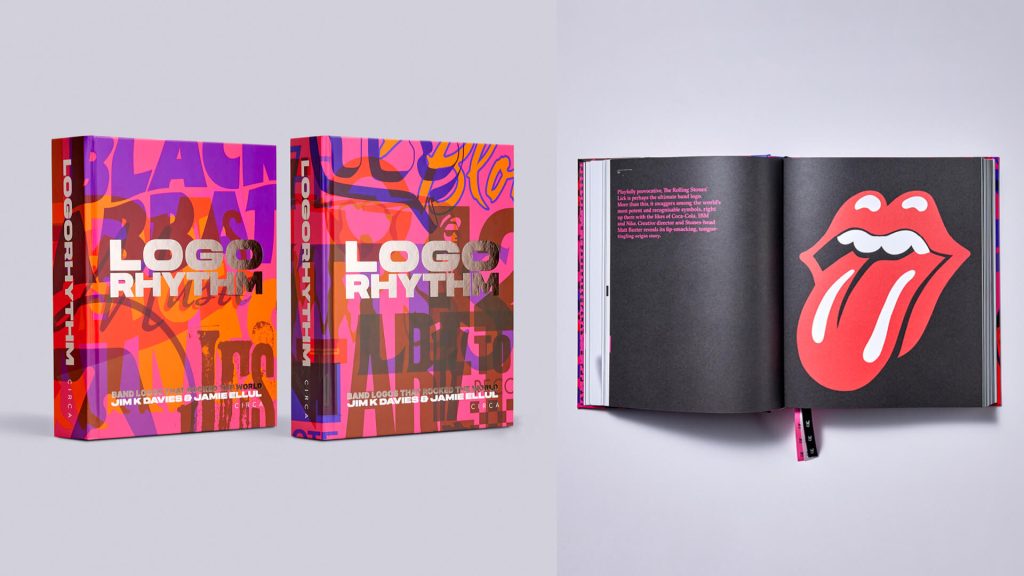
Ultimately, the profound interplay between music and pop culture underscores music’s role as a significant influence in shaping creative pursuits, personal identities, and societal norms. As we continue to explore this intricate relationship, it is clear that music is not just background noise; it is a driving force that shapes our experiences and cultural expressions.
DISCOVER MORE: Click here for quick recipes!
Music as a Catalyst for Creative Expression
The impact of music on pop culture is not merely confined to the auditory realm; it serves as a catalyst for a variety of creative hobbies that individuals passionately embrace. As musical trends evolve, they often inspire enthusiasts to explore artistic avenues they may not have otherwise considered. The intertwining of music with creative expression reveals the ways in which popular sounds influence personal projects, from art and fashion to dance and handicrafts.
One primary arena where musical influence manifests is in visual art. Artists frequently draw inspiration from the themes and moods conveyed in songs, transforming their emotional experiences into paintings, illustrations, or digital artworks. Many emerging artists create pieces that are directly tied to album releases or specific tracks. For instance, consider the recent surge in album art recreations, where fans interpret and reinterpret the visual aesthetics associated with their favorite musicians. This practice not only showcases artistic talent but creates a vibrant online community where artists can share and celebrate their work.
Fashion-inspired art also deserves attention in this context. Many fans take note of distinctive clothing and styles worn by musicians, leading to what can be termed as “fashion remixes.” For instance, street art often incorporates imagery of famous artists, imitating their style and conveying messages tied to their music. One example is the revitalization of vintage fashion that echoes the era of iconic bands from the ’60s and ’70s, which has found its way into contemporary styles, further connecting music to visual creativity.
The influence of music extends significantly to dancing, leading to a resurgence in creative movement practices across the country. Dance enthusiasts are often inspired by current musical hits, translating popular rhythms into expressive choreography. Musical genres such as hip-hop, ballet, and contemporary dance have generated diverse styles that contribute to vibrant dance scenes in urban environments. Some notable cultural phenomena include:
- The viral sensation of TikTok dances, allowing users to participate in choreography inspired by popular songs.
- Flash mobs and community dance events, which create opportunities for participants to engage with music in a celebratory manner.
- Dance workshops and classes that allow individuals to hone their skills in styles popularized by artists such as Beyoncé, J Balvin, and Lizzo.
Moreover, the surge in DIY music projects signifies another way musical trends influence hobbies. Enthusiasts often take to platforms like YouTube or TikTok to share their own renditions of hit songs, ranging from covers to mashups. This kind of creativity not only showcases individual talent but also fosters a sense of belonging among peers who share similar musical passions. With the rise of at-home recording tools and tutorials, aspiring musicians across the United States are now empowered to produce their own music widely.
In conclusion, music’s impact on pop culture transcends the auditory experience, shaping and inspiring creative pursuits that align with personal identities and community expressions. The ways in which music interconnects with various forms of artistry highlight its significance as a cultural cornerstone. As we delve deeper into this relationship, it becomes evident that the influence of music extends well beyond mere notes and rhythms; it thrives in the expressions and endeavors of countless individuals.
| Trend Category | Creative Influence |
|---|---|
| Retro/Vintage Revival | The resurgence of retro music styles influences clothing and design, spurring creativity in fashion and home décor. |
| Digital Music Trends | Platforms such as TikTok promote viral music trends that inspire new genres and encourage users to create original content. |
| Collaborative Projects | Musicians teaming up with visual artists fosters cross-disciplinary creative projects, linking music with visual arts. |
| Genre Fusion | The blending of genres inspires diverse artistic expressions, motivating creators to experiment beyond traditional boundaries. |
The effect of music extends far beyond mere entertainment; it profoundly shapes cultural norms and individual hobbies. For instance, the Retro/Vintage Revival has led many to explore nostalgic themes in creative outlets, from fashion to graphic design. Additionally, the rise of Digital Music Trends through platforms like TikTok not only popularizes songs rapidly but also encourages followers to engage in creative content creation, generating a community focused on artistic expression.Furthermore, musical collaborations, known as Collaborative Projects, are breaking barriers between artists in music and the visual arts. These interactions bring fresh perspectives and innovative ideas, nurturing a vibrant arts scene that draws enthusiastic participation. Lastly, the phenomenon of Genre Fusion continuously inspires artists to push creative limitations, forging new sounds that resonate with a broader audience and prompting exploration in various art forms. Each of these themes encapsulates how musical trends resonate with cultural creativity, urging individuals to expand their artistic horizons.
DON’T MISS: Click here to discover our top tips
Musical Trends and Their Influence on Community Projects
The impact of music on pop culture extends into community engagement, where musical trends serve as a unifying force that inspires collaborative projects and activities. Music brings people together, encouraging individuals to express their creativity through various forms of communal art. From neighborhood festivals to large-scale events, the influence of contemporary sounds can be seen reshaping the landscape of local creative initiatives.
One prime example of this phenomenon is the emergence of community murals and public art projects that celebrate local musical heritage. As neighborhoods often rally around popular musicians, artists collaborate to create murals that pay homage to music legends. Cities like Nashville and New Orleans are well-known for their vibrant street art scenes, which reflect the diverse musical styles originating from their rich cultural histories. These projects engage not only local artists but also musicians who may lend their input or even compose original songs inspired by the artwork, further intertwining visual and auditory forms of expression.
Additionally, music festivals and cultural events play a critical role in shaping community creativity. Events such as South by Southwest (SXSW) in Austin, Texas or Coachella in California draw artists, musicians, and creators from across the nation, fostering a culture of innovation. These festivals do not only showcase musical talent but also give rise to opportunities for arts and crafts, fashion displays, and interactive installations, encouraging attendees to immerse themselves in a multi-sensory experience. The creative output from these gatherings can lead to new hobbies for many, as participants often return home inspired to replicate what they experienced.
The growing trend of musical theater and performance arts is another avenue through which music influences creative hobbies. With the popularity of shows like “Hamilton” and “Dear Evan Hansen,” aspiring actors, singers, and dancers are motivated to pursue musical theater as a hobby or career. Community theater programs across the United States have seen an uptick in participation, fueled by the desire to explore creativity through song and performance. These programs provide individuals with the opportunity to collaborate, develop skills, and connect with others who share a passion for storytelling through music.
- Songwriting workshops, often led by local musicians, have gained traction, encouraging budding lyricists and composers to hone their craft while connecting with peers.
- Open mic nights offer a platform for aspiring artists to showcase their talent and receive constructive feedback from fellow community members, fostering a supportive environment.
Furthermore, the rise of music-themed podcasts and YouTube channels has paved the way for new creative practices. Content creators often produce shows centered around music analysis, interviews with artists, and discussions on the cultural implications of various musical movements. This has sparked interest in storytelling and multimedia creation as new hobbies. As individuals engage with these platforms, they are frequently inspired to explore their own narratives through video production, graphic design, or audio editing, expanding the definition of creative hobbies in the modern context.
As musical trends continue to shape creative hobbies, the intersection of music and community involvement illustrates an ever-evolving landscape of artistry. The interactions between various forms of creative expression emphasize how music not only dictates personal pursuits but also cultivates connections and collaborations among individuals and communities alike.
DIVE DEEPER: Click here to explore the impact of pop culture on writing</
Conclusion: The Harmonious Blend of Music and Creative Expression
As we delve into the multifaceted relationship between music and pop culture, it becomes evident that musical trends profoundly shape the landscape of creative hobbies. From inspiring collaborative community art projects to fueling individual passions in song and performance, the influence of music resonates deeply within our cultural fabric. The creation of murals, the resurgence of local theater, and the dynamic nature of music festivals all exemplify how community involvement is ignited by the collective embrace of sound.
Moreover, the advent of digital platforms has transformed the way we engage with music, allowing aspiring creators to express themselves through podcasts, video content, and more. This evolution illustrates a crucial point: as musical trends shift and diversify, they do not merely inform personal interests; they cultivate community bonds and enable an expansive dialogue among diverse participants in the creative space.
In summary, the impact of music on pop culture is not only a testament to its enduring power but also a call to action for individuals and communities alike. As we continue to explore and innovate, the potential for new artistic endeavors remains limitless. Engaging with music-driven projects can inspire those motivated by creativity to explore uncharted territories in both personal and collaborative contexts. As the notes of our favorite songs guide us, we invite readers to reflect on how the rhythms of music can spark their own creative journeys.