The Role of Performing Arts in the Preservation of Culture and Ethnic Identity
The Role of Performing Arts in Cultural Identity
The performing arts serve as a vibrant tapestry interwoven with the threads of culture and identity. This dynamic expression goes beyond mere entertainment; it encapsulates the history, traditions, and beliefs of diverse communities. As societies evolve, these arts become crucial in maintaining the essence of cultural identities, particularly among ethnic groups in the United States. Through various forms such as theater, dance, and music, these art forms embody the stories, struggles, and triumphs of their people.
Here’s why the performing arts are vital for cultural preservation:
- Storytelling: They narrate the tales of ancestry, connecting generations. For instance, Indigenous performances often recount creation stories and historical events, allowing younger members of the community to forge a deep connection with their heritage.
- Tradition and Ritual: Many performances celebrate cultural rites and practices that define communities. Traditional dances, such as the Hula in Hawaiian culture or the Irish Ceili, not only entertain but also serve as rituals that honor ancestral practices and foster a sense of belonging.
- Community Cohesion: Events like festivals encourage unity, reinforcing a shared identity through participation. The annual National Hispanic Heritage Month celebrations, featuring everything from Mariachi bands to contemporary dance, exemplify how the arts unite individuals in shared cultural pride.
From traditional Native American powwows to the spirited rhythms of African American jazz, each performance not only entertains but also educates its audience. These vibrant manifestations are critical in fostering cultural awareness and ensuring the survival of ethnic heritage. For example, the lively performances seen in the annual African American Arts Festival in North Carolina not only celebrate the achievements of African American culture but also create a space for learning and appreciation among all attendees.
Moreover, modern adaptations of traditional arts play a pivotal role in reaching younger audiences. Hip-hop, which originated in African American culture, is now a global phenomenon that retains strong ties to its roots while evolving continuously. Artists like Lin-Manuel Miranda have revitalized cultural narratives through contemporary platforms, effectively bridging the gap between past and present.
In summary, performing arts act as essential vessels for cultural expression, helping communities maintain their identity amid globalization and societal change. As the United States becomes increasingly diverse, the significance of these artistic expressions deepens, inviting all individuals to appreciate and celebrate the multifaceted nature of human experience.
DISCOVER MORE: Click here to dive deeper
Illuminating Heritage Through Performance
Performing arts are not just artistic endeavors; they are dynamic vessels that carry the weight of history and the essence of ethnic identity. This cultural showcase allows communities to express their uniqueness, weaving stories into their performances that capture the nuances of communal life. As the United States becomes a mosaic of cultures, the significance of performing arts in preserving these identities is more crucial than ever.
One of the most compelling aspects of performing arts is their ability to foster cultural dialogue. Through plays, dance, and music, diverse communities can express their narratives and experiences. For example, the theatrical works of playwrights like Luis Valdez, who founded El Teatro Campesino, draw attention to the struggles and achievements of Mexican American farmworkers. His storytelling not only entertains but serves to educate audiences from various backgrounds about the historical context and hardships faced by these communities.
Reinvention and Adaptation are equally vital within the realm of performing arts. Artistic expressions are not static; they evolve with societal changes while maintaining their core messages. For instance, Native American artists have adapted traditional storytelling and dance forms into modern theatre, which resonates with younger audiences. This reinvention plays an essential role in passing down cultural values and traditional practices to new generations, ensuring that they remain relevant and alive. As an illustration, the Indigenous performance art group, The Sacred Circle, utilizes contemporary dance to tell sacred stories, creating a platform for dialogue about identity and heritage.
Moreover, the impact of cultural festivals cannot be overlooked. These events serve as focal points where various ethnic communities come together to celebrate their traditions. Festivals like the New Orleans Mardi Gras showcase vibrant parades filled with music and dance that reflect the unique blend of Creole, French, African, and Spanish cultures. These performances not only celebrate cultural heritage but also foster a sense of belonging among participants, acting as a reminder of shared history and collective identity.
- Educational Outreach: Many performing arts organizations conduct workshops and outreach programs aiming to share traditional techniques and narratives, ensuring that knowledge does not fade with time.
- Cross-Cultural Collaboration: Collaborations between artists of different backgrounds can lead to the creation of innovative art forms that celebrate diversity while preserving distinct cultural elements.
- Cultural Exchange: Performing arts allow for the exchange of cultural ideas and practices, cultivating mutual respect and appreciation among different ethnic groups.
Ultimately, the performing arts function as a robust mechanism for preserving cultural and ethnic identities, serving not only as a reminder of where communities come from but also as a beacon illuminating paths towards a more inclusive future. As we explore the role of these art forms further, it becomes evident that they possess the power to transcend the boundaries of time and space, crafting a rich narrative of the human experience that is as diverse as it is interconnected.
The Role of Performing Arts in the Preservation of Culture and Ethnic Identity
The performing arts serve as a profound vehicle for maintaining and conveying cultural traditions and ethnic identities. Through various forms such as dance, theater, music, and storytelling, communities proudly express their unique heritages, ensuring they are passed down through generations. For instance, traditional dance performances can depict historical narratives and social customs, offering audiences a glimpse into the values and beliefs of their ancestors.
Intergenerational Connection
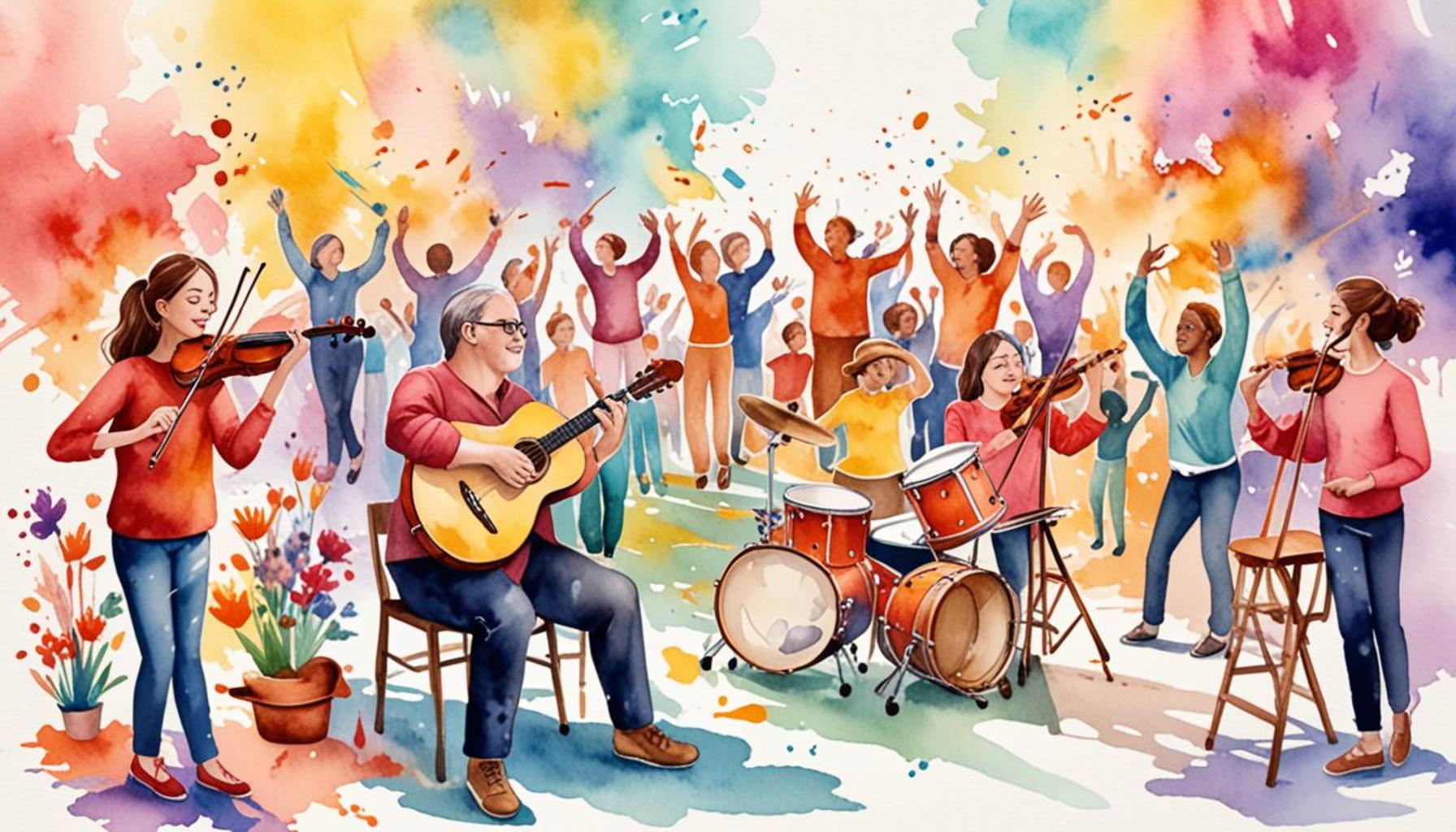
This dynamic of performance not only entertains but also educates. Grandparents often share their cultural knowledge with younger generations during community shows or festivals, fostering an intergenerational connection. These performances encourage youth participation, inviting them to actively engage with their cultural roots and understand their significance in the contemporary world.
Reviving Language and Dialect
An essential aspect of ethnic identity is language, which many performing arts incorporate. Through plays and musical compositions, indigenous languages are not only preserved but revitalized. For instance, numerous theater companies are dedicated to producing works in native dialects, and this dedication emphasizes the importance of language in the cultural fabric.
Fashion and Traditional Attire
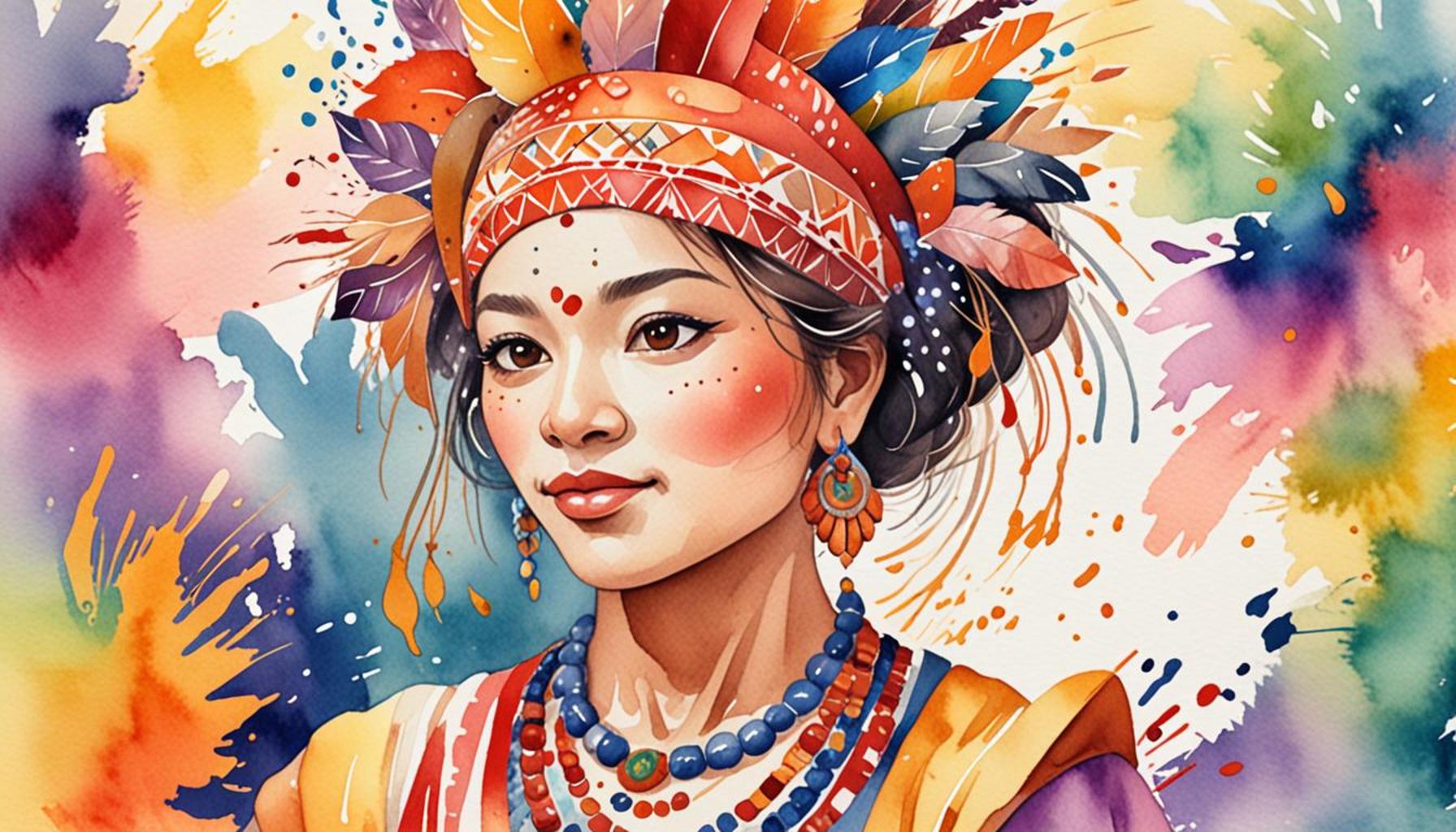
The costumes used in performing arts also play a crucial role in cultural preservation. Traditional garb showcased during performances not only highlights the artistry involved but also represents historical narratives tied to identity. This visual connection serves as a reminder of cultural heritage and promotes pride among performers and audiences alike.
| Category | Description |
|---|---|
| Cultural Representation | Performing arts express cultural narratives, portraying identity through story and medium. |
| Community Engagement | Fosters connections within communities, bridging generations through shared experiences in performance. |
Observing the relationship between the performing arts and cultural identity evokes intrigue and appreciation for the nuances of collective heritage. Each performance unfolds a story, inviting audience members to reflect on their own identities woven within the fabric of diverse cultures.
DISCOVER MORE: Click here to learn how music can enhance your self-care routine
Bridging Generations and Fostering Unity
The intergenerational transmission of culture is a vital aspect of preserving ethnic identities, and performing arts play a critical role in this process. In many cultures, traditional music and dance are passed down through families and communities, serving as a living history. Events such as traditional dance circles or family gatherings where folk music is played allow elders to share stories with the youth, thus ensuring continuity of cultural practices. For instance, the Afro-Latin dance form known as Salsa has roots that span multiple generations, with its evolving styles reflecting both heritage and contemporary influences. Dance studios in urban settings often offer classes where families can learn together, creating bonds while instilling pride in their cultural identity.
The realm of educational programming within performing arts further empowers communities to honor their cultural narratives. Many institutions, including museums and cultural centers, host performances that highlight traditional art forms, while simultaneously offering workshops on the historical significance of these practices. The Smithsonian National Museum of the American Indian, for example, showcases Native American dance performances, while organizing community drum workshops to promote understanding and appreciation of Indigenous cultures. Such initiatives not only educate attendees but also create a space for dialogue about the importance of these art forms in shaping individual identities.
As we delve into the concept of cultural representation, it is clear that performing arts provide a platform for marginalized voices. Many ethnic artists create works that challenge stereotypes and promote authentic portrayals of their communities. For instance, the acclaimed TV series “Crazy Rich Asians,” based on Kevin Kwan’s novel, highlights the vibrant lives of a modern-day Asian-American family, breaking away from historical portrayals of Asian characters that often conformed to outdated clichés. This shift in representation extends to stage performances as well, where productions like “Hamilton,” which brings a racially diverse cast to portray founding figures of American history, encourage public discourse on identity, privilege, and representation in contemporary society.
Community Empowerment Through Performance
Furthermore, the role of performing arts in community empowerment cannot be overstated. They serve as tools for activism, giving marginalized communities a voice and platform from which to advocate for social change. Organizations like Artists for Change harness the power of art to address societal issues, from immigration reform to racial injustice. Through theatrical performances and art exhibitions, these groups shine a light on critical issues, allowing audiences to reflect on their roles within these narratives. For example, the work of the Performance Project in New York City focuses on the stories of the formerly incarcerated, using theatre to facilitate healing and understanding both within specific communities and the larger society.
- Global Perspectives: As cultural exchange programs grow in popularity, U.S. artists participating in residencies abroad can bring back experiences that enrich local artistic landscapes, fostering a deeper understanding of global traditions.
- Youth Engagement: Many performing arts initiatives aim to engage youth, particularly in underserved communities, by providing resources and mentorship that enable them to explore their cultural backgrounds creatively.
- Technology and Access: In the digital age, technology facilitates access to performing arts across geographical barriers. Online platforms allow traditional performances to reach global audiences, ensuring that cultural heritage stays alive and relevant.
As we explore the multifaceted ways that performing arts contribute to the preservation of culture and ethnic identity, it becomes increasingly evident that these creative expressions not only celebrate diversity but also build bridges between communities, allowing cultural narratives to flourish in an ever-evolving world.
DISCOVER MORE: Click here to dive deeper
Conclusion: The Lasting Impact of Performing Arts on Culture and Identity
In conclusion, the role of performing arts in the preservation of culture and ethnic identity extends far beyond mere entertainment; it is a vital thread woven into the very fabric of society. As we have explored, performing arts serve as a powerful medium through which cultural narratives are transmitted, celebrated, and transformed, bridging generational gaps and fostering a sense of unity. From community-centered events that empower youth to engage with their heritage to the innovative use of technology that allows traditional performances to reach global audiences, the means through which culture is celebrated are continually evolving.
Moreover, as the representation of marginalized voices becomes increasingly prominent, performing arts continue to challenge stereotypes and reshape societal perceptions. Productions like “Hamilton” and “Crazy Rich Asians” underscore how culturally relevant storytelling can provoke meaningful conversations related to identity and privilege, highlighting the importance of diverse perspectives in fostering understanding across communities.
Ultimately, the preservation of culture and ethnic identity through performing arts is not merely an art form—it is a crucial vehicle for social change, community empowerment, and cultural exchange. As audiences engage with these powerful narratives, they are invited to reflect on their roles within the larger mosaic of society, encouraging a deeper appreciation for the rich tapestry of human experience. Thus, as we move forward, it is essential to support and invest in the performing arts to ensure that these cultural legacies continue to thrive, resonate, and inspire future generations.