The Intersection of Dance and Activism: How Choreographers Are Using Performance to Promote Social Change
The Role of Dance in Addressing Social Issues
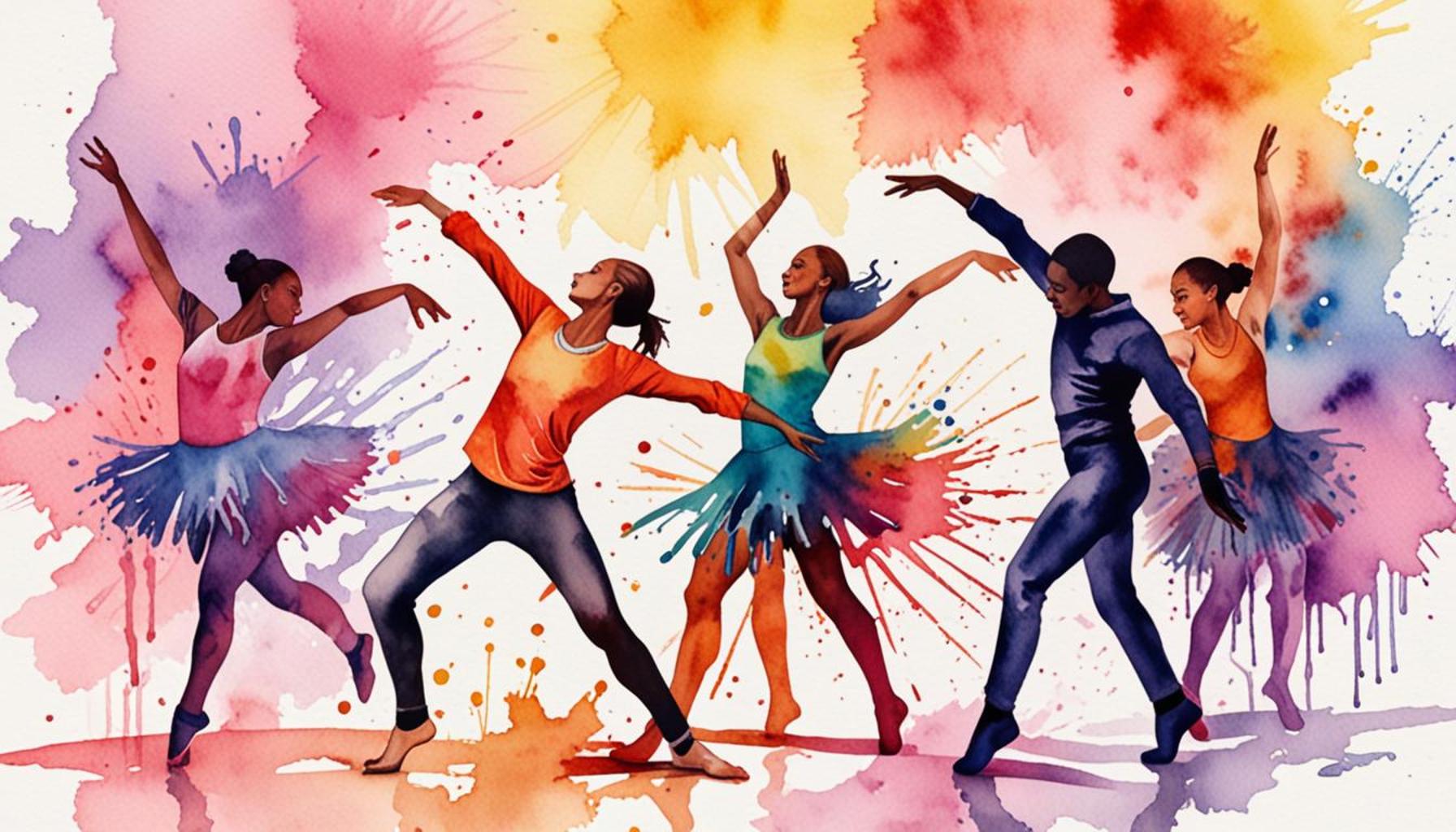
In recent years, performance art has emerged as an impactful medium for addressing significant social issues across the United States. Choreographers are increasingly blending movement with messages, creating a vibrant landscape where dance and activism converge. This intersection transcends mere trendiness; it represents a transformative wave that inspires communities to engage in meaningful dialogue regarding pressing societal topics.
Choreography as a Form of Protest
The role of dance in activism manifests vividly through various national movements that utilize physical expression as a mode of protest. For example, during the Black Lives Matter movement, choreographers have created powerful pieces that highlight racial injustice, using their bodies to convey the urgency and significance of the struggle for equality. These performances often take place in public spaces, turning sidewalks and parks into platforms for change.
Similarly, women’s marches across the country have embraced dance as a means to advocate for gender equality. One particularly poignant example is the incorporation of choreographed flash mobs that surprise onlookers with spirited performances advocating for women’s rights. These vibrant displays not only entertain but also educate audiences on the importance of the cause, fostering a deeper understanding and connection to the issues at hand.
Moreover, the fight for LGBTQ+ rights has inspired dynamic performances that challenge traditional societal norms. Through creative choreography, dancers communicate messages of love, acceptance, and the ongoing struggle against discrimination. Events like Pride Month have seen performances that blend celebration with activism, shining a spotlight on the community’s challenges while embracing the joy of identity.
Storytelling Through Movement
Choreographers are not merely performers; they are potent storytellers who use their bodies to articulate messages that resonate deeply within society. By tapping into the rich history of dance as a cultural expression, they enhance their narratives through movement, inviting audiences into their worlds of experience and emotion. This powerful mode of communication often evokes empathy and prompts reflection on the complexities of social issues.
As these creative minds strive for social change, their works frequently spark pertinent discussions, pushing artistic boundaries while inviting audiences to examine their perspectives. The dialogue initiated by these performances can lead to a greater awareness of underlying societal problems and inspire individuals to consider their roles in fostering positive change.
Amplifying Voices and Igniting Change
As we delve deeper into this topic, it becomes clear that choreographers are utilizing their platforms to amplify marginalized voices and ignite change across communities. Their performances bridge gaps between different social groups, fostering solidarity and understanding. By harnessing the transformative power of dance, these artists are not only advocating for social justice but are also sowing the seeds for a more conscious and empathetic world.
Join us in exploring the dynamic synergy between dancing and advocacy, revealing how these captivating performances contribute to building a more equitable and aware society. The impact of these artistic expressions extends far beyond the stage, resonating within the fabric of our communities and inspiring audiences to engage with the critical issues of our time.
DISCOVER MORE: Click here to learn how crafts can connect generations
The Power of Dance in Social Movements
As society grapples with complex issues such as racial inequality, gender rights, and environmental justice, the role of dance within these social movements is becoming increasingly pronounced. Choreographers are stepping beyond the confines of traditional performance to engage audiences in a conversation that transcends mere entertainment. This blend of artistic expression and activism harnesses dance’s immersive and visceral nature, propelling audiences to not only watch but to feel and reflect on the realities faced by marginalized groups.
Choreographers as Activists
In this dynamic landscape, choreographers often adopt the role of activists, leveraging their art to highlight societal injustices. For instance, the work of choreographers such as Alvin Ailey and Jessica Lang exemplifies how dance can carry profound political messages. In Ailey’s iconic piece *Revelations*, the movement pays homage to African American heritage, vividly expressing the struggles and triumphs of a community through dance. Similarly, Lang’s works often explore themes of identity and belonging, inviting audiences to engage with narratives that challenge the status quo.
This activism through art is not relegated to the stage; public performances are increasingly common. The dance community often rallies in locations where significant events unfold. For example, the March for Our Lives movement against gun violence featured choreographed demonstrations that drew attention to the urgency of legislative change. These performances serve as a direct response to contemporary challenges, merging creativity with civic engagement.
Community Involvement and Collaboration
The spirit of collaboration further amplifies the impact of dance in activism. Many choreographers are partnering with community organizations, local activists, and social justice groups to create performances that reflect the experiences and needs of specific demographics. This approach encourages a deeper alignment between artists and the communities they serve. Consider the following examples:
- Local Dance Workshops: Choreographers are offering workshops that empower participants to share their stories through movement, creating a shared sense of ownership and purpose.
- Site-Specific Performances: Some artists create dance pieces in the very neighborhoods impacted by social issues, transforming local spaces into stages for change.
- Interdisciplinary Partnerships: Collaborations with visual artists, musicians, and spoken word artists further enhance the narratives and reach of their work, creating multi-layered experiences for audiences.
Ultimately, the convergence of dance and activism is about more than just expression; it is a strategic tool for inciting change. By intertwining performance with potent social messages, choreographers are nurturing dialogues that compel audiences to critically examine their beliefs, advocate for justice, and consider their roles in the social fabric.
The Role of Choreography in Social Movements
Choreographers have historically utilized their art to reflect societal issues, and today, they are at the forefront of major social movements. This intersection of art and activism illustrates how dancers can serve as powerful agents of change. Unlike more traditional forms of protest, dance transcends language barriers, allowing diverse audiences to engage with and understand critical social issues through movement. For instance, projects like Ballet for Life and Riot Grrrl dance have spotlighted mental health, feminism, and LGBTQ+ rights, creating an accessible platform for dialogue and awareness.
A Case Study: “The Dance of Protest”
Consider the significant work of choreographers such as Bill T. Jones, whose performances synthesize personal narratives and collective experiences. His piece, “Still/Here”, confronted the reality of illness and mortality while promoting resilience within marginalized communities. By embedding deep social commentary within engaging choreography, Jones exemplifies how dance can provoke thought and inspire community solidarity. Audiences are not merely spectators; they become participants within a narrative advocating for social justice.
Strategic Collaborations
Increasingly, choreographers are collaborating with activists and organizations to amplify their messages. These strategic partnerships enhance visibility for causes and broaden the reach of dance as a medium for change. Workshops, flash mobs, and public performances serve as dynamic expressions that vibrantly communicate issues such as racial equality, climate activism, and women’s rights. Thus, the choreography becomes not just an art form but a vehicle for advocacy.
| Category | Benefits |
|---|---|
| Community Engagement | Encourages participation and creates shared experiences. |
| Raising Awareness | Visual and emotional impact highlights important social issues. |
As the lines between dance and activism continue to blur, the potential for choreographers to spark transformation grows exponentially, highlighting how powerful embodied expressions can lead to meaningful social change.
DIVE DEEPER: Click here to discover the impact of creative writing on self-esteem
Choreography as a Catalyst for Change
The creative process behind choreographed performances has become a powerful catalyst for social change, as artists carefully compose movements that resonate deeply with their audiences. This intentionality allows choreographers to manipulate the tempo, rhythm, and energy of dance to evoke emotional responses that are often transformative. In essence, the very act of dancing becomes a form of protest and a means to make a statement.
Documenting Historical Contexts Through Dance
Choreographers are increasingly utilizing their craft to document and honor historical events that have shaped societal narratives. Works like “Black Lives Matter” by the internationally acclaimed company Alonzo King LINES Ballet serve not only as artistic expressions but also as crucial historical commentaries. By reflecting on the struggles against systemic racism through dance, these performances become archival records of contemporary history, urging society to recognize the past and its impact on the present.
With this focus on history, choreographers like Kyle Abraham, who often incorporates elements of hip-hop and modern dance, create pieces that explicitly address issues of cultural identity and social injustice. His work often responds to the socio-political climate in America, inviting audiences to engage with uncomfortable truths while fostering a sense of empathy and understanding.
The Role of Technology and Social Media
In today’s digital age, technology plays a significant role in the intersection of dance and activism. Social media platforms have become vital tools for choreographers to share their messages far beyond the walls of theaters. Viral dance challenges and online performances allow movements to reach global audiences, gaining traction and support for various causes. For example, during the height of the pandemic, choreographers adapted their work for platforms like Instagram and TikTok, keeping the spirit of activism alive while enforcing social distancing.
Moreover, movements such as Dance for Change utilize these online platforms to mobilize followers, encouraging participation in global discussions about pressing social issues. Videos showcasing dance as a form of protest can prompt users to engage in activism in their local communities, exemplifying how choreography serves as not just a performance art but a means to enact social justice.
Educational Initiatives and Awareness
Educational programs led by choreographers are also instrumental in driving social change. Workshops focused on social justice themes teach participants about movement as a form of expression, allowing individuals to explore their identities and shared experiences through dance. Programs, such as Dancing Classrooms, aim to empower young people by using dance as a vehicle for building confidence, self-awareness, and cultural awareness. By nurturing these skills, choreographers contribute to cultivating future generations of artists who will continue to advocate for societal progress.
In addition to workshops, public forums and discussions held in conjunction with performances create informative opportunities for communities to engage critically with social justice issues. These initiatives challenge audiences to consider not only their roles as spectators but as active participants in shaping the social landscape around them.
Ultimately, the intersection of dance and activism is a living, breathing organism that adapts to the needs of society while remaining committed to advocating for profound change. In an era where artistic voices can no longer remain silent, choreographers play an essential role in igniting conversations that inspire collective action towards a more equitable future.
DISCOVER MORE: Click here to learn about the benefits of arts and crafts for mental health
Conclusion: The Dance of Activism
The intersection of dance and activism represents a dynamic fusion that challenges societal norms and ignites powerful conversations. As we have explored, choreographers are not only artists but also storytellers, historians, and advocates for change. Through their innovative choreography, they uniquely document the struggles and triumphs of marginalized communities, thereby transforming the stage into a platform for social justice.
In leveraging the power of technology and social media, these artists have expanded their reach, allowing their messages to transcend geographical boundaries and inspire collective movements. This accessibility opens the door for audiences worldwide to engage with pressing social issues, cultivating a global dialogue that emphasizes empathy, understanding, and activism.
Moreover, educational initiatives rooted in dance empower individuals, particularly the youth, to express their identities and embrace their roles as agents of change. By imparting the skills of movement as a form of expression, choreographers pave the way for future generations to continue advocating for justice and equity.
As we witness the ongoing evolution of dance as a tool for activism, it becomes clear that this powerful art form is more than mere entertainment. It is a call to action, a reminder that the rhythm of society can be altered through the courage of those who choose to dance for change. Engaging with dance in this context fuels our collective consciousness and challenges us to envision a more inclusive future, where the transformative power of performance amplifies the voices of the unheard.