The Importance of Art and Craft in Mental Health
The Healing Power of Creativity
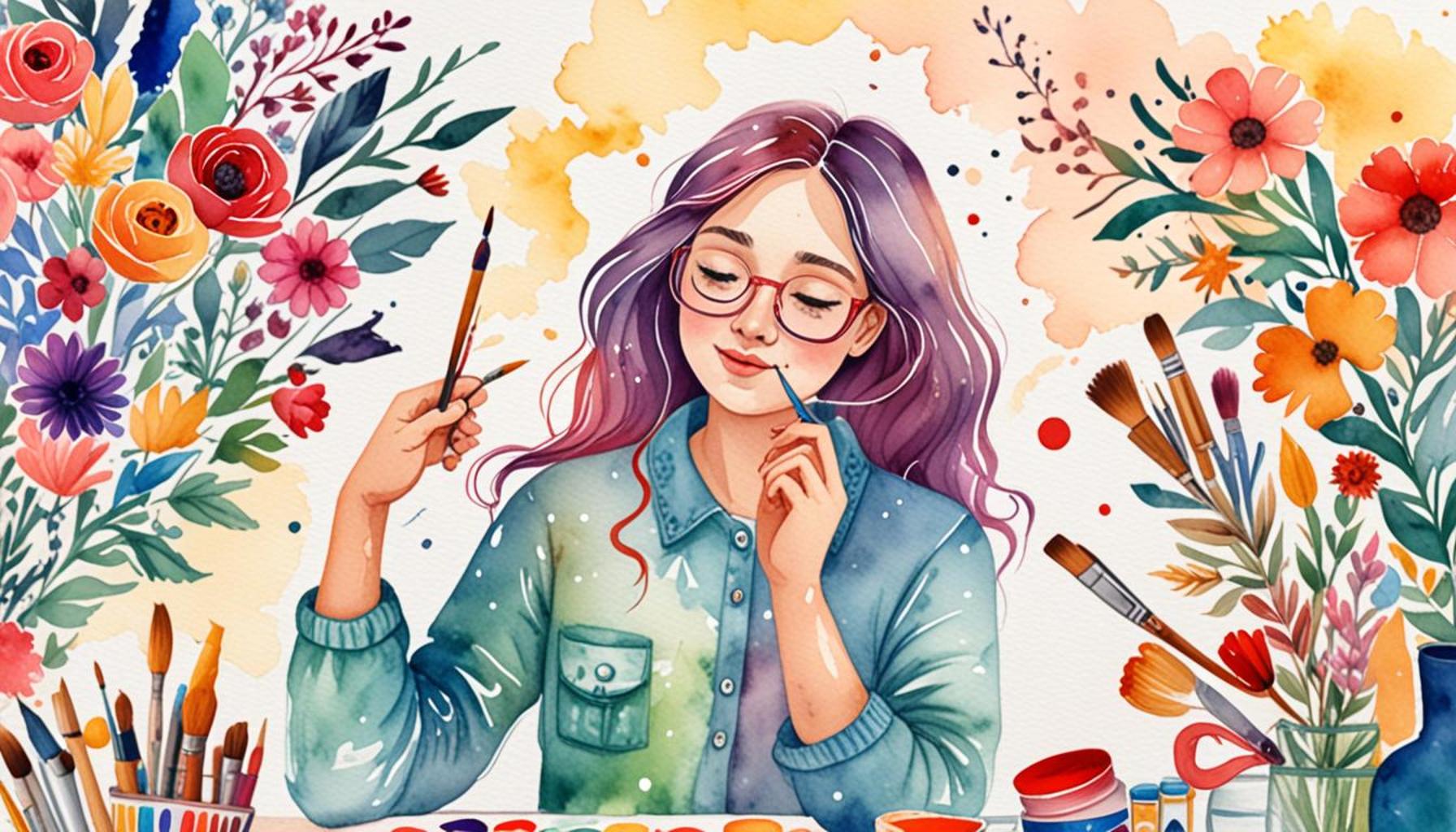
Art and craft possess a remarkable ability to influence our mental health. Engaging in creativity encourages self-expression, providing an outlet for emotions that can be otherwise difficult to articulate. This connection between creativity and well-being is increasingly recognized in therapeutic practices throughout the United States, fostering a deeper understanding of how art can be a powerful tool for mental wellness.
Benefits of Art and Craft in Mental Health
Consider the following benefits of incorporating art and craft into mental health routines:
- Stress Reduction: The act of creating art often induces a meditative state that can lower stress levels and alleviate anxiety. Research shows that even a short period spent on creative activities can lead to notable decreases in cortisol, a hormone closely linked to stress.
- Improved Mood: Engaging in crafts frequently generates feelings of joy and accomplishment. For example, a study conducted by the American Art Therapy Association found that individuals reported enhanced moods after participating in art-making sessions, highlighting art’s role in emotional upliftment.
- Enhanced Cognitive Function: Artistic activities engage multiple brain regions associated with critical thinking and problem-solving. Projects like woodworking or pottery require planning and execution, thus stimulating cognitive functions and promoting mental agility.
The Role of Art Therapy
Art therapy has gained recognition in various settings, from support groups to rehabilitation centers. Techniques such as painting, sculpting, or even knitting have proven effective in building emotional resilience and facilitating healing. For instance, programs in hospitals often incorporate art therapy to help patients cope with chronic illness. These methods allow individuals to express their fears and struggles creatively, resulting in a significant therapeutic release.
One compelling example can be found in initiatives launched by organizations like Turnaround Arts, which aim to integrate arts into schools across the country. These programs have demonstrated that children exposed to the arts show improved emotional well-being and academic performance, reinforcing the idea that creativity fosters not only personal expression but also social connection.
Community Impact
Moreover, communities across the nation are witnessing the profound effects of art initiatives aimed at improving public health. Local workshops, community murals, and art fairs foster connections among residents, combating social isolation. Events like the New York City’s “Art in the Park” allow residents to create and share art in a communal space, enhancing community cohesion and shared experiences.
As the dialogue around mental health continues to evolve, recognizing the importance of creative outlets becomes essential. With resources becoming more accessible, embracing the integral role of art and craft in healing can lead to more holistic approaches to mental wellness. Understanding how these activities can promote emotional health and foster connection is a critical step toward realizing their full potential in our lives and communities.
DISCOVER MORE: Click here to learn about the impact of performing arts on early childhood education</
Exploring the Therapeutic Benefits of Creativity
The connection between art, craft, and mental health is profound and multifaceted. Various forms of creative expression can serve as vital support mechanisms for individuals grappling with anxiety, depression, and other mental health challenges. Understanding how these activities contribute to emotional and psychological well-being can encourage more people to embrace their creative sides.
Creative Expression as a Form of Communication
Many individuals struggle to express their emotions verbally, leading to feelings of isolation and frustration. Artistic endeavors provide an alternate avenue for communication, enabling people to express their inner thoughts and emotions without the need for words. Art can manifest feelings of sorrow, joy, or confusion, inviting daily introspection and emotional exploration.
Moreover, engaging in creative projects allows individuals to explore complex themes such as identity, relationships, and trauma. For example, through the medium of painting, someone may confront their emotions about a challenging life event, translating feelings of grief into vibrant colors and forms on a canvas. According to a report by the National Endowment for the Arts, sharing art can facilitate important discussions surrounding mental health, fostering understanding and reducing stigma in the process.
The Science Behind Art and Craft Therapy
Research increasingly supports the idea that art therapy facilitates healing and improves mental health. Studies demonstrate that engaging in artistic activities can lead to neuroplasticity—the brain’s ability to reorganize itself by forming new neural connections. This adaptability is crucial for recovery from trauma or mental illness, as it promotes resilience and adaptive coping strategies.
Additional benefits of incorporating art and craft into mental health routines include:
- Emotional Regulation: Participation in creative activities can help individuals manage their emotions better, leading to improved emotional health.
- Social Inclusion: Art serves as a powerful connector among individuals, fostering community and inclusivity, which are vital elements for emotional support.
- Physical Brain Health: Creative practices often involve fine motor skills, improving hand-eye coordination, and stimulating brain functions that promote overall cognitive health.
A Gateway to Mindfulness
Art and craft activities can also encourage mindfulness, a mental state characterized by increased awareness and presence in the current moment. Engaging with creative mediums allows individuals to immerse themselves fully in the process, often easing the racing thoughts associated with anxiety. This mindful focus can lead to reduced symptoms of depression and anxiety, improving overall mental health outcomes.
As mental health advocates continue to seek innovative approaches for treatment, embracing the artistic spirit can pave the way for more holistic, comprehensive strategies to support individuals’ journeys toward wellness. Recognizing the essential role that art and craft can play in mental health is not only revolutionary—it is crucial for fostering a society that champions emotional well-being.
The Impact of Art and Craft on Mental Health
Art and craft play a pivotal role in enhancing mental health and well-being. Engaging in creative activities allows individuals to express emotions that might be difficult to articulate verbally. The act of creating art, whether through painting, sculpting, or crafting, can serve as a therapeutic outlet, providing an opportunity for self-reflection and emotional release. Research suggests that involvement in creative processes can significantly reduce stress levels and promote relaxation.
| Advantages | Effects on Mental Health |
|---|---|
| Enhanced Emotional Expression | Allows individuals to convey feelings and thoughts in a non-verbal manner. |
| Stress Reduction | Creating art can help to divert attention from daily stressors and lower cortisol levels. |
Participating in arts and crafts also fosters a sense of community and connection among participants. Group-based art therapy sessions encourage social interaction, reducing feelings of isolation and loneliness that often accompany mental health issues. The collaborative nature of these activities creates a supportive environment, allowing individuals to share experiences and build relationships with others who might be facing similar challenges.Furthermore, indulging in creative expression has been shown to boost self-esteem and provide a sense of accomplishment. Completing an art project, regardless of skill level, can significantly uplift one’s mood and contribute to a more positive self-image. The act of creating can transform negative thoughts into positive ones, acting as a powerful tool for generating resilience and improving overall mental health. Ultimately, the intersection of art, craft, and mental health is a fascinating area of exploration, offering numerous potential benefits for individuals seeking solace or healing through creative expression. As more people discover the therapeutic power of art, it becomes increasingly important to integrate these practices into mental health strategies and support systems.
DON’T MISS: Click here to uncover the stories behind the creations
Building Resilience Through Art and Craft
Art and craft are not just therapeutic outlets; they also play a significant role in building resilience. Engaging in creative activities often forces individuals to confront challenges head-on, whether it’s learning a new technique in pottery or navigating the intricacies of digital illustration. This process of overcoming obstacles is a powerful metaphor for real-life resilience, teaching individuals that growth often comes from perseverance in the face of struggle.
Developing a Sense of Accomplishment
Completing an art or craft project can instill a sense of accomplishment that significantly boosts self-esteem. When individuals see the tangible results of their efforts—be it a hand-knit scarf or a painted landscape—they gain a sense of ownership over their creative process. This achievement can translate into improved confidence, encouraging individuals to tackle challenges outside of their artistic endeavors. A study conducted by the American Journal of Public Health revealed that engaging in creative activities can enhance one’s self-efficacy, which is linked to better mental health outcomes.
The act of creating art allows individuals to set personal goals, manage time effectively, and navigate through the sometimes turbulent waters of emotions. These skills are transferrable and can help individuals build resilience in various aspects of their lives, from professional settings to social interactions.
Art as a Tool for Reflection
Art can also serve as an excellent medium for self-reflection. When individuals create, they often find themselves reflecting on their emotions and experiences. This form of introspection can lead to deeper self-understanding and can illuminate patterns that may need addressing. For example, someone who enjoys journaling may opt to incorporate drawing into their routine, allowing them to not only express emotions but also process them in real-time.
Projects such as art journals can document emotional journeys, providing insight when revisited, and demonstrating growth over time. Techniques like *visual journaling*, which combines writing and drawing, are particularly effective in encouraging a dialogue between emotion and expression. This practice allows for a full-bodied exploration of the self and can lead to profound revelations about one’s mental landscape.
The Gifting and Sharing of Art
Furthermore, sharing art with others fosters connection and community, two elements crucial for maintaining mental health. The act of gifting handmade crafts or displaying artwork can enhance social bonds, providing opportunities for dialogue and shared experiences. Whether it’s through community art exhibits, craft fairs, or simply sharing with friends and family, this shared creativity can cultivate a sense of belonging and communal support.
Nonprofit organizations across the United States, such as *Art Beyond Borders* and *Creativity Explored*, actively promote art collaboration as a tool for community engagement and mental health advocacy. These efforts not only showcase the importance of art in individual recovery journeys but also emphasize its role in bridging gaps between people and promoting collective healing.
As discussions around mental health continue to evolve, integrating art and craft into therapeutic practices can emerge as a vital strategy—presenting a beneficial approach to individuals seeking healing and connection. By encouraging a creative exploration of the self, art serves as both a sanctuary and a path forward in the realm of mental well-being.
DISCOVER MORE: Click here to learn how historical fiction shapes our understanding of the past
Conclusion
In a fast-paced world where mental health challenges are increasingly prevalent, the role of art and craft emerges as a potent ally in promoting emotional well-being. Engaging in creative endeavors not only provides a channel for personal expression but also facilitates critical skills such as resilience, self-reflection, and community connection. Through the act of creating, individuals bolster their self-esteem, learn to navigate their emotions, and foster meaningful relationships within their communities.
The therapeutic benefits of art are underscored by research, which highlights its capacity to improve mental health outcomes by enhancing self-efficacy and providing coping mechanisms. Creative projects, from painting to crafting, serve as reflective tools that enable individuals to explore their inner landscapes and articulate feelings that may be challenging to express otherwise.
Moreover, the communal aspect of sharing art strengthens social bonds, reinforcing the importance of connection in maintaining mental health. Organizations and initiatives that encourage collaborative creative practices stand as testaments to art’s unifying power, illustrating how collective engagement can facilitate healing.
As we continue to advocate for mental health awareness, it is crucial to recognize and harness the transformative power of art and craft. By integrating these practices into our lives and communities, we pave the way for a holistic approach to mental wellness, one that celebrates creativity as a vital element of the human experience. Embracing art and craft not only enriches our individual journeys but also fosters a resilient and empathetic society.