Demystifying Culinary Techniques: How to Master the Use of Knives and Kitchen Equipment
Unlocking Culinary Mastery
Cookery is not merely a daily chore; it can evolve into an exciting and rewarding craft. The cornerstone of this transformation lies in acquiring precise culinary skills, particularly through a deep understanding of knives and kitchen equipment. These tools are fundamental in achieving not just mastery, but also efficiency and creativity in the kitchen. With the right techniques and knowledge, anyone can learn to chop, dice, and prepare ingredients like a seasoned chef.
Visualize the plethora of possibilities that arise when you refine these skills. For example, consider the following benefits:
- Experience efficiency in meal prep. Proper knife skills can drastically reduce the time spent preparing ingredients, allowing you to whip up weeknight dinners in a fraction of the usual time.
- Enhance flavors and textures in your dishes. Uniform cuts can help ingredients cook evenly and integrate flavors more effectively, elevating your culinary creations.
- Boost safety while cooking. Mastering the use of knives and kitchen equipment can significantly reduce the risk of accidents, as you’ll know how to handle tools safely and effectively.
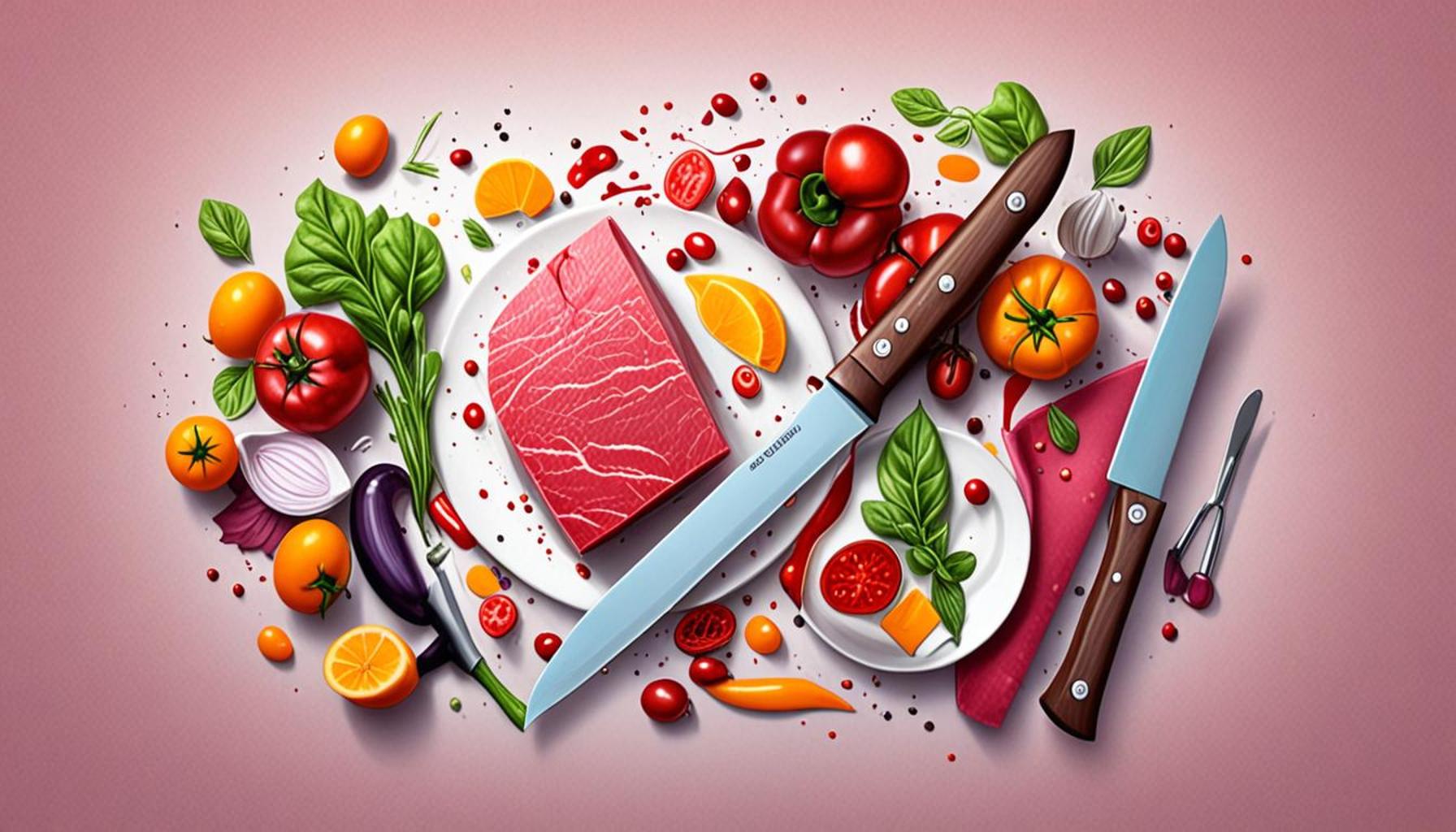
Knives are among the most essential tools in a cook’s arsenal, available in a variety of shapes and sizes, each crafted for specific tasks. The nimble paring knife is ideal for intricate work such as peeling fruits, while the robust chef’s knife serves as a versatile multi-tasker perfect for slicing, dicing, and chopping. Understanding which knife to use and when to use it can elevate your dishes from ordinary to extraordinary.
Moreover, kitchen equipment—ranging from food processors to mandolins—can add layers of convenience and precision to your cooking. For instance, a food processor can significantly speed up the process of pureeing vegetables or making pesto, while a mandolin allows for perfectly even slices of potato or cucumber, which can transform a dish’s presentation.
However, many home cooks find themselves intimidated by the vast array of tools at their disposal. It’s essential to break down these barriers to unlock culinary confidence:
- Learn fundamental cutting techniques. Techniques such as the pinch grip and the claw grip can make knife work more efficient and safe.
- Understand maintenance and safety tips. Keeping your knives sharp and properly maintained not only ensures safety but also enhances their performance.
- Discover how to select the right equipment for your kitchen. Knowing which tools suit your cooking style can help reduce clutter and simplify your cooking process.
By demystifying these essential culinary techniques, you’ll not only gain the confidence you need to experiment in the kitchen but also ignite a fervor for cooking that can empower you to try new recipes and techniques. This journey of refinement and exploration will not only enhance your culinary skills but also create memorable experiences for you and your loved ones, all within the heart of your kitchen.
DISCOVER MORE: Click here to learn how cooking can enhance your mental well-being
Knife Skills: The Foundation of Culinary Confidence
Mastering knife skills is akin to learning the ABCs of cooking; it lays the groundwork for a successful culinary journey. Understanding different types of cuts—such as julienne, brunoise, and chiffonade—not only enhances the visual appeal of your dishes but also affects their texture and flavor integration. Learning to chop an onion uniformly, for instance, can impact how quickly it caramelizes, thus altering the overall taste of your meal.
Let’s dive into some essential cutting techniques that every home cook should get familiar with:
- Julienne: This technique involves slicing food into long, thin strips. Ideal for veggies, julienned carrots can add a crunchy texture to salads or stir-fries.
- Brunoise: This is a fine dice where ingredients are cut into small cubes, enabling them to melt seamlessly into sauces or soups, enhancing flavor distribution.
- Chiffonade: Used mainly for leafy greens and herbs, this involves stacking, rolling, and cutting into thin strips, perfect for garnishes or salads.
Additionally, understanding the anatomy of a knife will not only improve your skills but also extend the lifespan of your tools. A chef’s knife, with its broad blade and tapering point, is ideal for all-purpose tasks. Meanwhile, a serrated knife shines when it comes to cutting through bread or delicate fruits like tomatoes, preventing squishing and ensuring a clean cut. This knowledge empowers cooks to reach for the right tool, leading to a more efficient cooking experience.
Essential Kitchen Equipment: Beyond the Knife
While mastering knives is crucial, a wide array of kitchen equipment can elevate culinary endeavors. It’s important to recognize which tools align with your cooking style and frequency, allowing you to streamline your kitchen processes effectively. Start with the basics:
- Cutting Boards: A good quality board provides a firm surface for cutting while protecting your knife’s edge. Choose between wood and plastic based on your preferences and the type of food you typically prepare.
- Food Processor: This invaluable gadget can chop, mix, and puree, offering a significant time-saving advantage, especially when batch cooking.
- Mandoline Slicer: A mandoline allows for precision slicing, ensuring uniform thickness and presentation, which is particularly useful for salads and gratins.
As you incorporate these techniques and tools into your cooking routine, it’s essential to adopt a mindset of continuous learning. Cooking is as much about exploration as it is about skill. Embrace the occasional mishaps in technique, for they often lead to the most memorable culinary experiences. With a commitment to honing your knife skills and understanding your kitchen equipment, you are well on your way to demystifying the art of cooking.
Understanding Knives: The Heart of Culinary Mastery
Mastering the art of using knives is crucial for any aspiring chef or home cook. A sharp knife not only enhances efficiency but also promotes safety in the kitchen. One of the essential skills to develop is learning the different types of knives and their specific uses. For instance, a chef’s knife is versatile for chopping, dicing, and mincing, while a paring knife is ideal for intricate tasks such as peeling.
Equally important is maintaining your knives. Regular sharpening and proper cleaning techniques can prolong the life of your kitchen tools and ensure they perform well. Using a sharpening stone or honing steel can keep your knives in optimal condition, safeguarding against accidents that occur with dull blades.
Exploring Kitchen Equipment: Beyond the Basics
Aside from knives, understanding various kitchen equipment is essential in mastering culinary techniques. Tools like mandolins, food processors, and immersion blenders can significantly enhance your cooking experiences. Each piece of equipment serves a unique purpose, and knowing when to utilize them can elevate your dish quality.
For instance, a mandolin allows for precision cuts, ensuring uniformity in cooking and presentation. Conversely, an immersion blender can quickly puree soups directly in the pot, reducing the need for additional dishes and making the cleanup process effortless. Learning how to correctly operate these tools saves time and improves overall efficiency in meal preparation.
With practice and understanding, the complexity of culinary techniques, including knife skills and equipment usage, transforms into an accessible and enjoyable experience. Dive deeper into the nuances of each element and witness your culinary skills flourish.
| Culinary Techniques | Key Features |
|---|---|
| Knife Skills | Precision in cuts for consistent cooking. |
| Equipment Proficiency | Optimal use of kitchen tools for enhanced efficiency. |
DIVE DEEPER: Click here to discover the power of improvisation
Advanced Techniques: Elevating Your Culinary Game
Once you’ve established a solid foundation with knife skills and essential kitchen equipment, it’s time to explore advanced techniques that can truly elevate your cooking. Understanding the nuances of cooking methods and incorporating specialized gear into your kitchen arsenal can transform everyday meals into extraordinary culinary experiences.
Understanding Cooking Techniques
Cooking is not just about following a recipe; it’s an art that requires a deep understanding of various cooking techniques. Here are a few techniques that every aspiring home chef should know:
- Sous Vide: This method involves vacuum-sealing food in a bag and cooking it in a water bath at a precise temperature. The low-temperature cooking process allows for perfect doneness and enhanced flavors. While you may need a sous vide immersion circulator, the equipment’s cost can be outweighed by the consistent, restaurant-quality results you achieve at home.
- Blanching: Blanching involves briefly boiling food, then shocking it in ice water. This technique retains color and texture, making it especially useful for vegetables that will be frozen or served at events. It’s key for preparing ingredients well ahead of time while keeping them tender-crisp.
- Deglazing: After sautéing, the brown bits left in the bottom of the pan serve as a flavor foundation. By adding a liquid such as broth or wine, you can lift these morsels off the pan, creating a rich and complex sauce to complement your dish.
Kitchen Gadgets That Amplify Efficiency
Integrating specialized kitchen gadgets can enhance both efficiency and your cooking precision. Consider incorporating these tools into your kitchen setup:
- Digital Scale: Baking demands precision, and a digital scale ensures you measure ingredients accurately, producing consistent results every time. From bread to pastries, the right measurements are pivotal for success in baking.
- Instant-Read Thermometer: To eliminate the guesswork, an instant-read thermometer gives you key insight into the doneness of meats, breads, and vegetables. This tool helps you avoid overcooking and ensures food safety, particularly for poultry and pork.
- Skillet with a Lid: A heavy-bottom skillet with a tight-fitting lid is crucial for techniques like braising, which requires both high heat for searing and low heat for slow cooking. This versatile tool can transition seamlessly from stovetop to oven, making it perfect for a myriad of dishes.
As you explore these advanced techniques and tools, remember that mastery doesn’t come overnight. It requires practice, patience, and a willingness to experiment. Embrace the process, and you may find that those trial-and-error moments become some of your most valuable lessons.
Moreover, continually educating yourself about both modern and classic culinary methods can inspire creativity in the kitchen. From attending local cooking classes to watching online tutorials, there’s a wealth of resources available to help you become a competent and confident home chef.
Ultimately, the journey to cook with skill and finesse involves a blend of foundational knife skills and a comprehensive understanding of equipment and methods. This knowledge empowers you to celebrate cooking as an enjoyable and rewarding experience.
DISCOVER MORE: Click here to delve deeper
Conclusion: Unlocking Your Culinary Potential
As we’ve explored throughout this article, the journey to becoming a skilled home chef begins by mastering the fundamentals, particularly knife skills and the proper use of kitchen equipment. These foundational techniques not only enhance your cooking efficiency but also inspire confidence as you navigate various culinary challenges. From slicing and dicing with precision to employing advanced cooking methods, each skill enriches your culinary repertoire.
Beyond the basics, embracing advanced techniques such as sous vide and deglazing can dramatically elevate your dishes, making them worthy of the finest dining experiences. Additionally, investing in essential kitchen gadgets like a digital scale or an instant-read thermometer provides the accuracy needed for culinary success. These tools are not just conveniences; they are vital for achieving consistent and flavorful results.
Remember, mastery takes time and experimentation. Each misstep in the kitchen presents an opportunity for growth and learning. Utilize online resources, attend cooking classes, and connect with fellow cooking enthusiasts to cultivate your skills further. Cooking is an art, filled with opportunities for creativity and personal expression, and every meal you prepare can become a canvas for your culinary passion.
As you continue to explore and refine your cooking techniques, revel in the process and showcase your newfound talents. The world of culinary arts is vast and inviting, and with each dish, you create, you’re not just preparing food; you’re crafting an experience. Embrace your culinary journey and let it unfold deliciously!