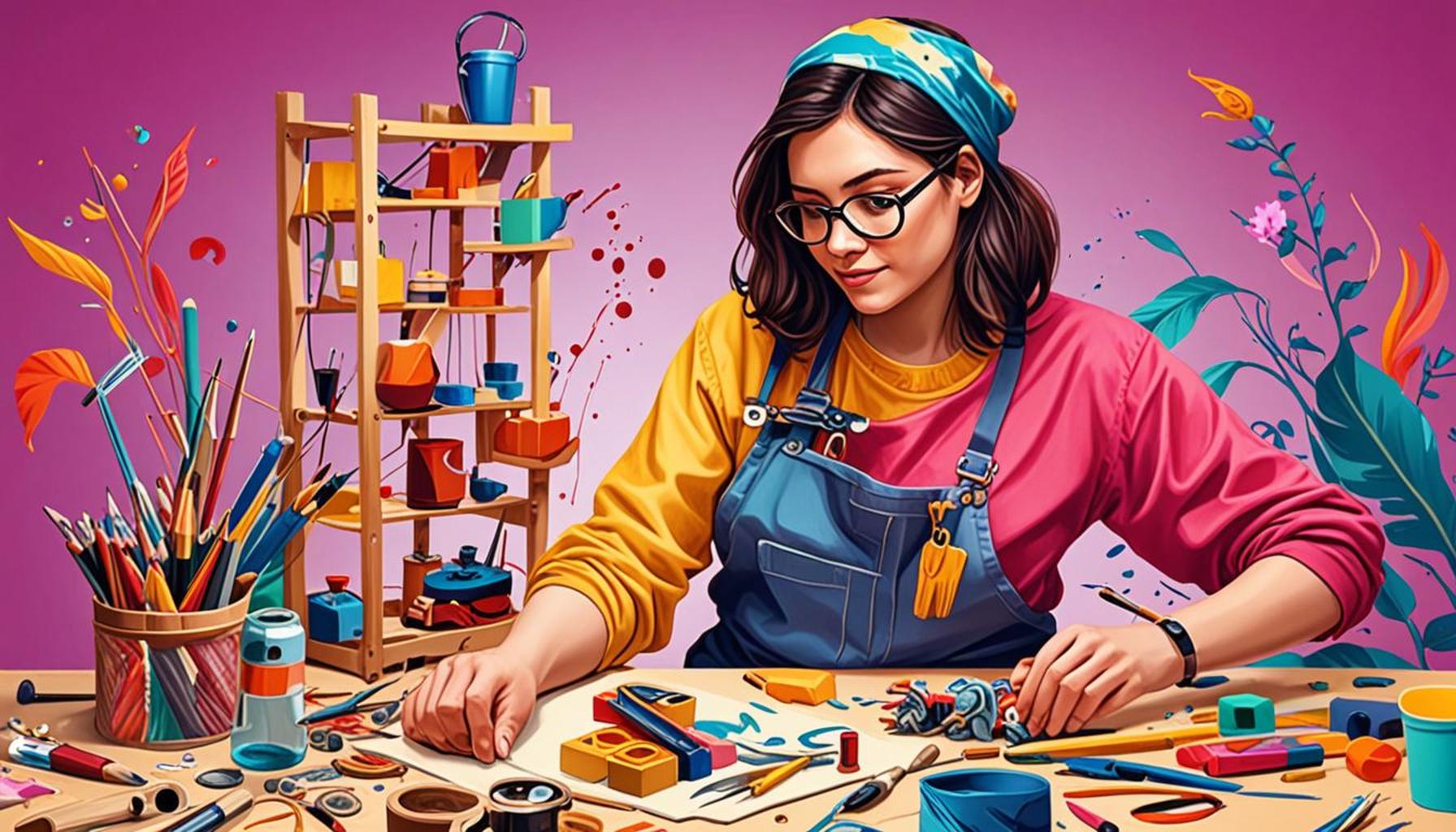
The Connection between Craftsmanship and Community: Collaborative Projects that Strengthen Social Bonds
The Role of Craftsmanship in Community Building
In a society that is increasingly dominated by digital interactions, the resurgence of craftsmanship represents a significant counterpoint, emphasizing the tangible connections between individuals and their communities. The act of creating with one’s hands bridges generations and fosters a deeper understanding of skill and tradition. When artisans collaborate on projects, they not only produce unique works of art but also craft intricate networks of support and cooperation that enhance community spirit and vitality.
Revitalizing Local Economies
Through collaborative craftsmanship, local economies can experience a much-needed revival. Many of these projects utilize locally sourced materials—such as timber from nearby forests or clay from regional suppliers—thereby strengthening the economic ties within the community. For example, furniture-making cooperatives in places like Asheville, North Carolina, not only employ local artisans but also stimulate demand for regional products. These workshops often provide apprenticeships for young people, contributing to the local job market while keeping traditional skills alive.
Preserving Cultural Heritage
In addition to economic benefits, working together on craft projects preserves vital cultural heritage. Initiatives such as crafting traditional pottery or weaving textiles using age-old techniques allow artisans to teach younger generations the importance of their cultural background. For instance, the Cherokee Nation in Oklahoma has programs dedicated to teaching traditional beadwork and basket weaving, ensuring these skills are not lost to time. By engaging in these collaborative efforts, participants celebrate and sustain their heritage, fostering pride in their community’s history.
Building Relationships Through Teamwork
Craftsmanship inherently encourages collaboration and teamwork, which helps to build lasting relationships. Community-based projects, such as mural painting in urban neighborhoods, require participants to communicate, share ideas, and work towards a common goal. Such interactions not only beautify the community but also demystify cultural differences, creating a tapestry of shared human experience. A notable example is the “Art of Community” initiative in San Francisco, where local residents gather to paint large-scale murals that reflect their unique stories and heritage, fostering unity and dialogue among diverse groups.
As we delve deeper into the symbiotic relationship between craftsmanship and community, it becomes clear that the act of creating together produces much more than physical objects. It nurtures bonds, preserves legacies, and revitalizes local economies. The stories emerging from these collaborative projects serve as compelling reminders of the power of teamwork and the countless ways it enriches our lives. Join us as we uncover the myriad of possibilities that arise when artisans come together to craft, share, and inspire. The journey is sure to reveal the profound impact behind every work of art that is born from collaboration.
DIVE DEEPER: Click here to discover more
Unveiling the Benefits of Collaborative Craftsmanship
As communities seek innovative ways to bring people together, collaborative craftsmanship emerges as a dynamic force. Engaging in hands-on projects allows individuals from diverse backgrounds to converge, share expertise, and cultivate a sense of belonging. This collaboration not only culminates in beautiful creations but also lays the foundation for strong social networks, helping to counteract the isolation often felt in contemporary society.
Enhancing Social Cohesion
When people come together to work on a shared craft project, they transcend barriers that typically divide them. Whether it’s woodworking, pottery, or textile arts, these activities provide a platform for interaction and mutual respect. According to the National Endowment for the Arts, community arts initiatives can significantly improve social cohesion by fostering a sense of ownership, pride, and commitment among participants. By collaborating, individuals build friendships based on trust and collaboration, creating a network of support that extends beyond the crafting sessions.
Cultivating Skills Through Collaboration
Collaborative craftsmanship is not merely about the finished product; it is also an enriching learning experience. Participants possess varying levels of experience, enabling knowledge-sharing that strengthens individual competencies. For instance:
- Experienced artisans might teach traditional methods while sharing their unique perspectives.
- Novice crafters can bring fresh ideas and innovative approaches, leading to unique solutions and designs.
- Community members bring stories and cultural backgrounds that enrich the collective crafting experience.
This cycle of teaching and learning can lead to unexpected outcomes, such as the fusion of different crafting styles. An effective example of this can be seen in community quilting projects, where diverse individuals contribute patches that reflect their personal stories, resulting in a vibrant collective quilt that tells a rich narrative of community life.
Creating Lasting Impact Through Community Projects
The ripple effect of collaborative craftsmanship can be observed in the long-term impacts on social infrastructure. Projects often catalyze further community initiatives, encouraging members to stay engaged and work towards common goals. For example, community gardens do more than provide fresh produce; they foster connections among neighbors, support local food sovereignty, and encourage healthy living. Similarly, craft fairs can bring people together, generating income for artisans while promoting a sense of pride in local craftsmanship.
As communities bake, sew, or build together, they forge not only objects of beauty but also a deeper sense of belonging. This collective engagement fosters resilience, empowerment, and connection, igniting a passion for craftsmanship that strengthens both individuals and the fabric of the community itself. In the following sections, we will explore specific case studies that showcase how collaborative craftsmanship is creating positive change and inspiring social bonds across the United States.
The Connection between Craftsmanship and Community: Collaborative Projects that Strengthen Social Bonds
Craftsmanship has always been more than just the act of creating; it’s an avenue for forging connections within communities. When artisans come together to collaborate, they not only share their skills but also their stories, experiences, and cultural heritage. These collaborative projects serve as a platform for diversity, allowing individuals to engage in meaningful interactions that transcend social barriers.
One compelling example of this is seen in community art projects where local craftsmen partner with residents to create public installations. Such endeavors not only beautify spaces but also instill a sense of pride and ownership among community members. Participants often report increased feelings of belonging and connectedness, which are crucial for fostering strong social networks.
Furthermore, workshops and craft fairs act as hubs for social interaction, where skills are exchanged and relationships are built. These events often highlight local talent and invite visitors to appreciate the craftsmanship of their peers while developing new skills themselves. The outcome is a vibrant community ecosystem that values collaboration, creativity, and connection.
As we explore various initiatives aimed at enhancing social bonds through craftsmanship, it becomes clear that the spirit of collaboration not only enriches the individual but strengthens the fabric of the community as a whole. It is in these shared experiences that we find the true essence of what it means to foster a community.
| Category | Advantages |
|---|---|
| Community Involvement | Encourages active participation and enhances local engagement. |
| Skill Sharing | Promotes knowledge exchange and lifelong learning. |
Through these collaborative projects, we not only witness the revival of traditional crafts but also the emergence of new relationships, centered around the peace of creation. This spirit of craftsmanship as a community glue reveals much about the potential of art as a unifying force.
DISCOVER MORE: Click here to learn how to choose the right materials for your craft projects</p
Building Lasting Relationships Through Craft
The act of creating together extends beyond simply making tangible items; it fosters relationships that can last a lifetime. Engaging in collaborative craftsmanship not only builds community ties, but it also cultivates an atmosphere of support, empathy, and understanding. Social interactions during craft projects facilitate organic conversations, allowing participants to share hopes and challenges, thereby building emotional connections that are vital for community strength.
Breaking Down Social Barriers
Many individuals from marginalized backgrounds may struggle with feelings of isolation or disenfranchisement. Collaborative crafting serves as an effective remedy, allowing people to come together under a unified purpose regardless of their differences. For instance, organizations like ArtReach in Philadelphia focus on bringing children from various neighborhoods to work together on art projects, breaking down preconceived notions and stereotypes while providing a space for collaborative expression. The importance of shared experience promotes empathy and understanding, essential ingredients in fostering a cohesive community.
Engagement Through Intergenerational Collaboration
Collaborative craftsmanship also has the power to bridge the generational gap. When young and older members of a community engage in projects together, it creates opportunities for knowledge exchange. For example, knitting circles that include both seasoned knitters and beginners often feature grandparents teaching techniques to grandchildren, resulting in the passing down of traditions and techniques along with personal stories. Such interactions promote respect between generations, reinforcing the cultural tapestry of a community.
Furthermore, intergenerational workshops can be seen in initiatives like Generations United that actively encourage joint crafting sessions. These events not only promote skill-sharing but also instill a sense of continuity and legacy, as participants undertake to preserve their craft through collaborative endeavors.
Economic Benefits and Community Resilience
Beyond personal connections, collaborative craftsmanship can have a profound economic and social impact. Community workshops often lead to the development of local businesses, fostering entrepreneurship and ingenuity among artisans. The rise of handmade goods has created avenues for creators to sell their products at local markets or online platforms, reinvesting profits into the community. This cycle promotes resilience, as a diverse local economy is supported by the craftspeople who inhabit it.
The American Craft Council reports that the handmade craft sector contributes approximately $43 billion to the U.S. economy, emphasizing the substantial potential of collaborative craft projects. By pooling resources and knowledge, crafters can share space, materials, and tools, leading to sustainable practices that enrich their communities while minimizing environmental impact.
Case Studies of Empowerment through Craft
Several successful initiatives across the U.S. highlight the transformative nature of community craftsmanship. In Detroit, the Detroit Handcrafted project allows artisans from different neighborhoods to collaborate on pieces that reflect the city’s diverse cultural fabric. This model not only elevates local artisans but also strengthens the community by drawing attention to unique stories and fostering pride in craftsmanship. Similarly, the New York City-based Crafting for a Cause brings together refugees and local residents, where each collaboration not only produces crafts but also cultivates friendships, mutual respect, and social integration.
These examples showcase how collaborative craftsmanship can address broader social issues, weaving a tighter social fabric that empowers individuals while enriching their communities. As creative endeavors come to fruition, they spark a renewed sense of purpose, connecting people through the universal language of craft. Each project becomes a beacon of hope, illuminating the path toward stronger, more empathetic communities.
DISCOVER MORE: Click here to delve into the therapeutic power of the performing arts
Fostering Unity Through Collaborative Craftsmanship
In summary, the connection between craftsmanship and community is profound and multifaceted. Collaborative projects not only yield creative works but also lay the groundwork for deep social bonds among participants. These activities serve as powerful tools for breaking down social barriers, bringing together individuals from diverse backgrounds, and fostering an atmosphere of inclusivity and acceptance.
The benefits extend well beyond personal interactions; they encompass economic revitalization and cultural preservation, yielding a vibrant local economy enriched by creativity. As illustrated by numerous initiatives across the United States like Detroit Handcrafted and Crafting for a Cause, collaboration in craftsmanship can empower marginalized groups, weave together generations, and instill a sense of belonging.
Moreover, the rise of the handmade craft sector, contributing around $43 billion to the U.S. economy, highlights the significant impact of community-focused craftsmanship. As we recognize the value of these collaborative projects, we should champion initiatives that invite participation and promote skill-sharing. Ultimately, embracing craftsmanship as a catalyst for social engagement not only strengthens community bonds but also paves the way for future generations to experience the joys of creativity as a unifying force. As more individuals embark on this journey of shared creativity, we ignite a collective spirit that challenges isolation and fuels community resilience, transforming lives one project at a time.