The influence of folk music on contemporary musical practices: reclaiming traditions
Rediscovering Roots in Modern Soundscapes
Throughout history, folk music has served as the backbone of cultural identity and community connection. Today, its resurgence in contemporary musical practices signals a profound reclamation of traditions. Artists are not only revisiting their musical heritage but are also shaping contemporary narratives that resonate with current sociopolitical climates. This blending of old and new creates a vibrant tapestry that reflects the diverse experiences and challenges faced by modern society.
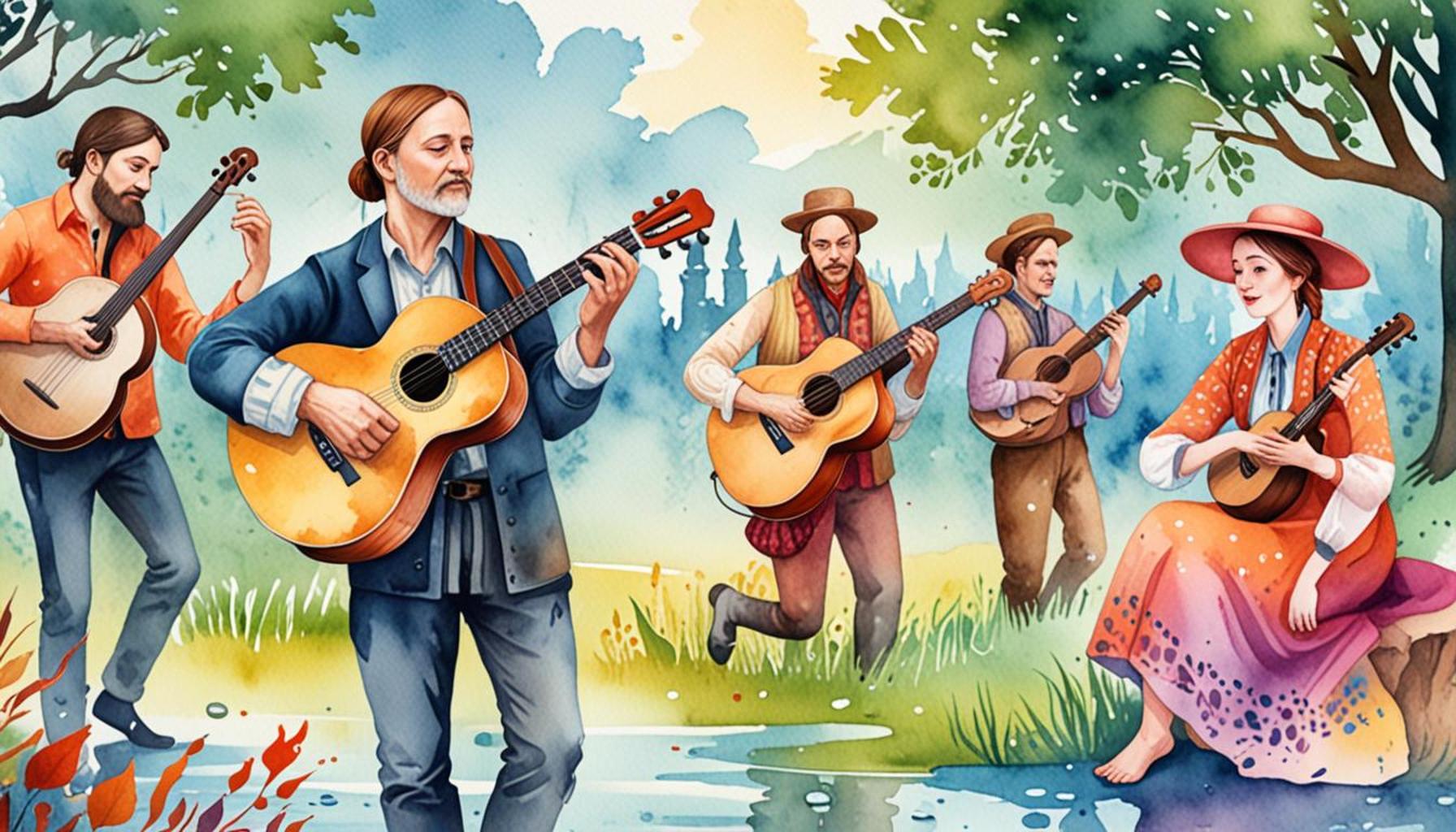
One of the most significant influences of folk music on today’s sound is its instrumentation. Traditional instruments like the banjo, fiddle, and accordion are not just relics of the past; they are being infused into modern tracks across various genres. For example, the Americana genre intricately weaves the sounds of the guitar, banjo, and mandolin, blending them with modern storytelling techniques to create songs that resonate deeply with listeners. Artists like Mumford & Sons and The Lumineers have successfully incorporated these instruments into their music, appealing to both folk purists and contemporary listeners alike.
Lyrical themes also play a critical role in the integration of folk music into the mainstream. Today’s songwriters often draw inspiration from classic folk narratives, exploring themes of love, struggle, and social justice. For instance, the songs of artists like Brandi Carlile and Jason Isbell echo weighty issues such as mental health, race, and equality, reminiscent of the folk tradition of storytelling that addresses societal concerns. This rich lyrical tradition encourages listeners to reflect on their own experiences while also fostering a sense of community and shared understanding.
Moreover, collaborations between artists from different genres are transforming the landscape of modern music. By fusing folk elements with pop, rock, and hip-hop, musicians are creating compelling soundscapes that broaden their audience reach. Take, for instance, the work of artists like Billie Eilish, who borrows folk-like vocal techniques and narrative storytelling in her pop hits, illustrating how deeply woven the influence of folk music is within the fabric of contemporary sounds.
This revitalization is not just a nostalgic return; it represents a critical dialogue about identity and sustainability. In a rapidly changing world, musicians are tapping into their roots, infusing their works with deeper meaning. This journey often leads artists back to their family stories, cultural heritage, and historical struggles, inviting listeners to immerse themselves in a collective history.
As we explore this intersection of old and new, we uncover diverse stories and practices that shape the musical landscape. From the heartbeats of traditional music embedded in urban hip-hop to the revival of old Appalachian ballads in modern indie scenes, this journey illustrates how the echoes of folk music continue to inspire and influence contemporary artists. Join us in discovering how these threads of the past are woven into the rich tapestry of today’s musical conversations.
DIVE DEEPER: Click here to discover more about poetic writing
Tradition Meets Innovation: The Contemporary Folk Renaissance
The influence of folk music on contemporary practices can be observed across various dimensions, revealing a profound relationship between heritage and modernity. As musicians intentionally weave traditional melodies and techniques into their compositions, they create a rich soundscape that transcends generational divides. This resurgence, often referred to as a folk renaissance, showcases how artists are harmoniously blending time-honored elements with innovative contemporary styles.
At the heart of this revival is a movement towards authenticity in artistry. The contemporary folk scene embraces a DIY ethos, where musicians are encouraged to explore their roots and share personal stories through their music. This has led to a proliferation of independent labels and grassroots movements that prioritize local sounds and narratives. Through platforms like Bandcamp and SoundCloud, artists can bypass traditional music industry gatekeepers, directly connecting with their audience and reclaiming full creative control.
The genre-bending tendencies in contemporary music have opened new avenues for folk influences to emerge. Musicians are no longer confined to specific categories; instead, they are free to experiment and blend elements from various styles. This dynamism is evident in the rise of crossover genres, where folk elements find their way into popular music forms. Some prevalent examples include:
- Indie Folk: Groups like Fleet Foxes and Sufjan Stevens draw on rich folk traditions while infusing modern sensibilities, creating ethereal soundscapes that resonate with a wide audience.
- Folk-Punk: Artists such as Frank Turner and The Decemberists channel the raw energy of punk while maintaining a strong foundation in folk storytelling and instrumentation.
- Folk-Rap: Musicians like K’naan and The Avett Brothers showcase how folk influences can merge with rhythmic spoken-word styles, introducing a fresh narrative approach to hip-hop.
This integration of traditional folk elements into contemporary musical practices can be traced to cultural movements that advocate for inclusivity and representation. As marginalized voices gain visibility, the richness of folk traditions, particularly from underrepresented groups, adds layers of depth to the contemporary sound. For instance, Indigenous musicians are reclaiming their sound through contemporary interpretations of folklore, creating music that not only entertains but also educates listeners about their cultural heritage.
Ultimately, the fusion of folk music with modern practices forms a dynamic dialogue that not only preserves history but also encourages innovation. This collaboration sparks a curiosity in audiences, urging them to explore the roots of the melodies that are familiar yet transformed. As we navigate through this landscape, we are reminded that music serves as a living history, constantly evolving while honoring the past.
| Category | Key Features & Benefits |
|---|---|
| Preservation of Cultural Identity | Folk music serves as a crucial link to cultural heritage, allowing contemporary artists to reconnect with their roots and present them dynamically. |
| Innovation in Sound | Modern interpretations of traditional tunes incorporate various genres, leading to unique fusions that challenge the boundaries of music. |
In exploring the intricate relationship between folk music and contemporary practices, we identify the preservation of cultural identity as a primary motivator for artists today. While traditional folk elements enrich their music, they also offer listeners a sense of belonging and shared history. This connection is vital as global societies navigate rapid changes, where roots can easily be overlooked.Moreover, the innovation in sound brings forth a renaissance of creativity. By blending folk beats with pop, rock, and electronic influences, artists produce captivating sounds that resonate with diverse audiences, both young and old. This blending not only honors the past but actively redefines its relevance in a modern context. Notably, folk-inspired festivals and collaborations are thriving, showcasing how artists can uphold tradition while inviting new interpretations. This vibrant dialogue between the past and the present fuels a cultural evolution, inviting exploration into how these reclaimed traditions can shift paradigms in our understanding of contemporary musical expressions. The drive to experiment while cherishing historic roots opens avenues for investigative discourse in this melodic journey.
DIVE DEEPER: Click here to expand your musical horizons</
Reimagining Narrative: Storytelling Through Music
One of the most captivating aspects of folk music is its inherent storytelling tradition. Contemporary artists harness this long-standing practice to convey personal narratives, social issues, and cultural legacies. The modern folk movement serves not only as a vehicle for entertainment but also as a vital means of cultural expression. Artists are embracing the narrative form, crafting songs that resonate with the trials and triumphs of everyday life.
The resurgence of folk music can be linked to a broader societal trend of seeking authenticity and connection in a fast-paced digital world. As audiences are bombarded with mainstream pop culture, they gravitate toward genuine storytelling found in folk music. The genre’s simplicity and emotional depth create a space for listeners to reflect on shared human experiences. In this way, artists such as Brandi Carlile and Jason Isbell use their platform to weave stories that not only entertain but also provoke thought and inspire change.
Moreover, the resurgence of storytelling in song reflects a larger movement toward personal narratives from diverse backgrounds. Artists are reinterpreting folk traditions, melding them with their individual experiences to highlight the importance of cultural exchange. For example, the presence of artists like Rhiannon Giddens emphasizes the importance of reclaiming African American folk traditions, adding layers of complexity to the landscape of contemporary folk while paying homage to the origins of the genre.
In addition to traditional themes, the modern folk scene also mirrors contemporary societal challenges. Issues such as climate change, social justice, and mental health are increasingly resonant within the genre. The ability of folk music to comment on and reflect societal issues makes it a powerful form of cultural activism. Artists like Leonard Cohen and the late Joan Baez have long used their music to voice discontent and encourage social awareness, paving the way for newer musicians to do the same.
The blending of folk music with modern technology plays a pivotal role in expanding its reach and relevance. The accessibility of music production software and platforms enables artists from all backgrounds to share their folk-infused creations widely. This democratization of music allows for the exploration of local sounds across different geographical locations, fostering the exchange of cultural traditions and encouraging new collaborations that break down barriers.
Furthermore, the rise of folk festivals across the United States has bolstered the genre’s revival, creating communal spaces for artists and audiences alike to connect around shared interests in folk traditions. Festivals such as the Newport Folk Festival and the American Folk Festival exemplify this convergence of past and present, featuring a blend of established folk legends and emerging talents who reimagine the genre’s sound and storytelling possibilities.
The reimagining of folk music in contemporary practices is a testament to its unparalleled adaptability as a form of expression. By reclaiming and transforming these traditions, artists forge connections that transcend time and place, reinforcing the notion that music is not static but a living, breathing entity that evolves while remaining rooted in its authentic origins.
DISCOVER MORE: Click here to learn how to arrange your favorite songs
Conclusion: The Enduring Influence of Folk Music in Contemporary Practice
As we reflect on the influence of folk music on contemporary musical practices, it becomes evident that this genre serves as a crucial link between the past and present. The modern resurgence of folk music not only honors its rich traditions but also reclaims cultural narratives that might otherwise be lost in the whirlwind of technological advancement and shifting musical trends. Today’s artists, drawing inspiration from their diverse backgrounds, are reshaping folk traditions by embedding personal experiences and social commentary into their work, thereby demonstrating the genre’s remarkable adaptability.
The enduring power of storytelling in folk music resonates deeply with audiences navigating a complex world. Artists like Brandi Carlile and Rhiannon Giddens highlight the importance of authenticity as a counterbalance to the polished narratives of the mainstream, revealing that the simplest tunes can articulate profound truths. Furthermore, the rise of folk festivals fosters community engagement, encouraging both seasoned musicians and newcomers to explore the vibrant tapestry of folk heritage and innovation.
As the boundaries between genres continue to blur, the ongoing fusion of folk music with modern technology ensures that its stories, sounds, and cultural significance remain relevant. Whether it is through intimate local gatherings or global streaming platforms, the reclamation of folk traditions is more than just an artistic endeavor; it is a movement that champions cultural heritage while paving the way for future generations of musicians. Ultimately, the influence of folk music on contemporary practices is a testament to the genre’s power to connect, inspire, and challenge societal norms, urging us all to listen closely to the stories that shape our world.