The Science Behind Cooking: Understanding Chemical Reactions in the Kitchen
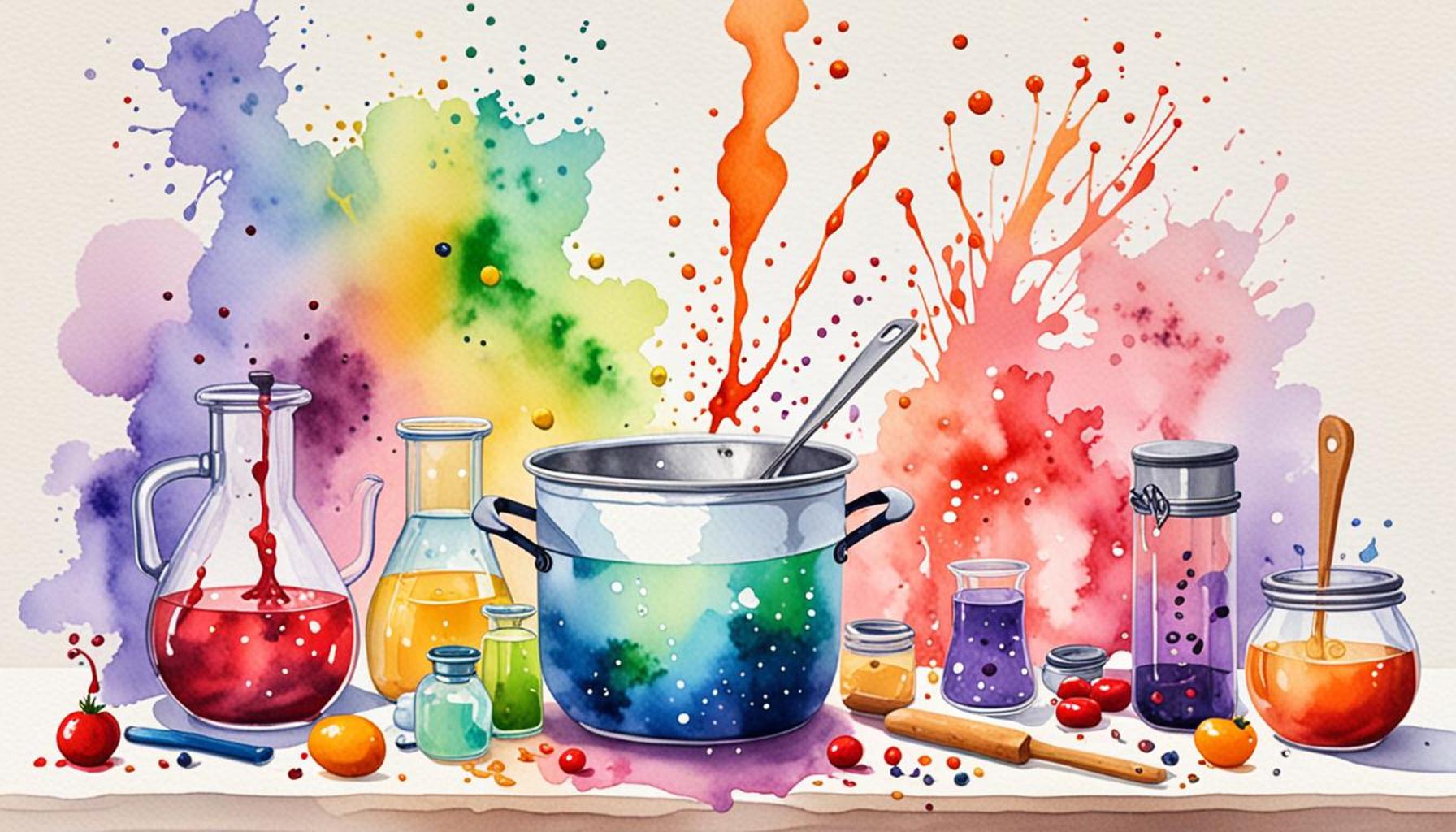
The Science of Cooking
Every dish you savor is a result of intricate chemical reactions happening right before your taste buds. Whether it’s the browning of meat or the rise of bread, the kitchen is a laboratory where fascinating science meets culinary art. This article invites you to explore how understanding these reactions can elevate your cooking experience and transform everyday meals into extraordinary culinary creations.
Consider these common cooking phenomena:
- Maillard Reaction: This complex process is responsible for that golden crust on roasted meat and baked goods. Named after French chemist Louis-Camille Maillard, it occurs when amino acids and reducing sugars react under heat. For example, when you sear a steak, the exterior caramelizes, creating not just a visually appealing crust but also an array of rich, savory flavors that entice the palate.
- Emulsification: This is the magic behind creamy sauces like mayonnaise and silky salad dressings. It occurs when two immiscible liquids, such as oil and water, are combined with the help of an emulsifier—typically egg yolk or mustard. If you’ve ever struggled to make mayonnaise, understanding how to properly combine these elements and utilize the right emulsifiers can drastically change your results. A well-emulsified dressing can elevate a simple salad to a gourmet experience.
- Fermentation: The process that transforms simple ingredients into delightful staples like sourdough bread and yogurt enhances flavors and provides health benefits through the production of probiotics. The natural fermentation process, often involving yeast or bacteria, can take hours to days, but the resultant flavors are undoubtedly worth the wait. For instance, a well-fermented sourdough is renowned not only for its tangy taste but also for its improved digestibility.
Grasping the science behind these processes not only enriches your culinary skills but also helps you make informed choices in the kitchen. For instance:
- Why does salt enhance flavor? Salt works by suppressing bitterness while enhancing sweetness and savoriness, a technique savvy chefs exploit to create mouth-watering dishes.
- How does temperature affect the texture of proteins? Cooking proteins at the right temperature ensures they remain juicy and tender; overcooking, on the other hand, can lead to dryness and toughness, particularly in meats.
- What role do acids play in cooking? Acids, found in ingredients like lemon juice or vinegar, can brighten the flavor of dishes and act as tenderizers for meats by breaking down proteins.
As we delve into the chemistry of cooking, prepare to be fascinated by how these processes transform simple ingredients into mouth-watering masterpieces. Understanding the underlying science not only empowers you as a cook but also invites creativity in the kitchen. By mastering these reactions, you will impress your guests and deepen your appreciation for the art of cooking—one delicious dish at a time.
DISCOVER MORE: Click here to learn about the significance of local handicrafts
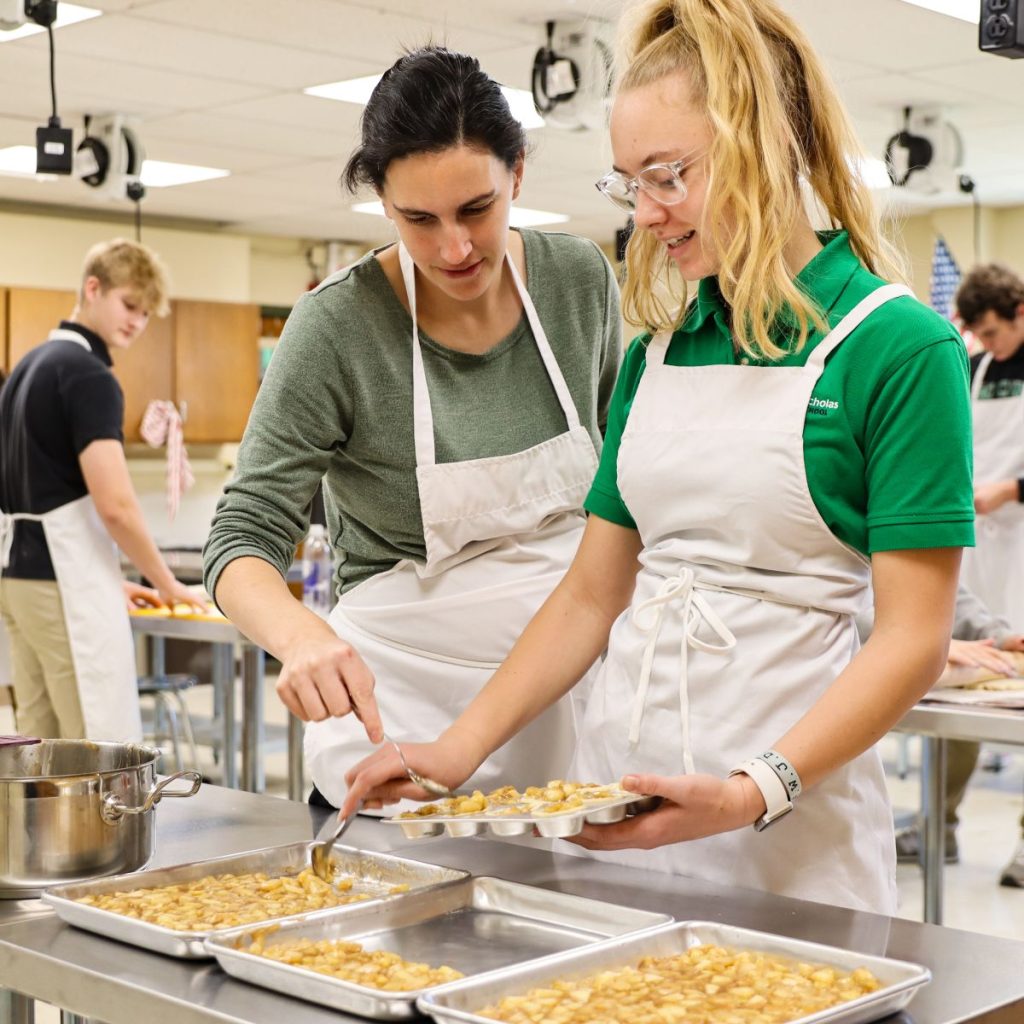
Unlocking the Secrets of Flavor: The Chemistry of Cooking
In the vibrant world of cooking, every technique we employ is rooted in a rich tapestry of chemical reactions that transform raw ingredients into sensational dishes. Understanding these reactions not only demystifies the cooking process but also opens a door to culinary innovation. To truly appreciate your time in the kitchen, it’s essential to delve into the science behind common cooking methods and the chemistry that fuels them.
One of the most captivating reactions is the Maillard Reaction, a crucial aspect of flavor development that occurs when proteins and sugars are exposed to heat. This intricate process, which begins at around 285°F (140°C), is responsible for that mouth-watering brown crust on everything from steaks to cookies. As amino acids and reducing sugars react, they create a complex blend of flavors and aromas that enhance the appetizing qualities of food. This phenomenon is what gives a perfectly seared burger its deliciously savory notes—it’s the very essence of aromatic cooking. While many may simply admire the browned surface, knowing the science behind this reaction allows you to control its formation and adjust cooking temperatures to achieve the perfect color and taste.
Emulsification is another key player in the culinary chemistry arena. It allows for the creation of stable mixtures between oil and water, crucial for dressings and sauces. This process may seem simple, but it requires careful manipulation of ingredients. The presence of emulsifiers like egg yolk or mustard enhances the stability of these mixtures, enabling chefs to experiment creatively. For instance, a basic vinaigrette could evolve into a rich aioli with just the right balance of ingredients, demonstrating how the right chemical interactions can elevate flavors.
Additionally, understanding fermentation opens a window into a world where time and patience yield profound flavor transformations. Fermentation relies on microorganisms such as bacteria and yeast to convert sugars into acids, gases, or alcohol. This transformation not only enhances flavors but also introduces myriad health benefits through the production of probiotics. Take, for example, the art of making kimchi or kombucha—these dishes are not only flavorful, but they also offer digestion-friendly properties. The process might take time, but the results will be well worth the wait, resulting in uniquely flavored foods that add complexity to any menu.
By grasping these fundamental chemical processes, you can become more intentional in your cooking. Here are some critical aspects to consider:
- Temperature Control: This is vital for achieving desired textures in proteins. Knowing the ideal cooking temperatures helps avoid overcooking and enhances flavor.
- Balancing Acids: Understanding how acids, such as vinegar or citrus juice, can brighten dishes makes a significant difference in flavor profiles.
- Ingredient Substitutions: Knowledge of chemical interactions allows for creative substitutions, catering to dietary restrictions while maintaining dish integrity.
As we wind deeper into the chemistry behind cooking, prepare to transform your approach to meal preparation. With each stir, simmer, and sear, you are conducting a delicious experiment, bridging the gap between art and science. Embracing this knowledge not only enhances your culinary skills but also enriches the experience of shared meals and family gatherings—one reaction at a time.
| Chemical Reaction | Importance in Cooking |
|---|---|
| Maillard Reaction | This complex chemical reaction between amino acids and reducing sugars gives browned food its distinctive flavor, making it essential for achieving rich tastes in grilled meats and baked goods. |
| Caramelization | The process of heating sugar beyond its melting point results in a deepening of color and flavor, transforming simple ingredients into complex tastes that are crucial in desserts and sauces. |
| Emulsification | This technique combines two immiscible liquids, like oil and water, creating stable mixtures necessary for dressings and sauces, enhancing the texture and flavor of dishes. |
| Fermentation | The conversion of sugars to acids, gases, or alcohol using microorganisms is crucial for creating flavors and textures in food products like bread, yogurt, and pickles. |
As we delve deeper into the chemistry of cooking, it’s fascinating to explore not just how these reactions transform ingredients but also how they influence the overall dining experience. Understanding the Maillard reaction, for example, can help cooks achieve that perfect sear on a steak, while knowledge of caramelization can elevate desserts to new heights. Emulsification is not merely a technical skill, but a way to bring different flavors together, offering a creamy texture that can enhance a dish. Additionally, fermentation plays a pivotal role in numerous culinary traditions, contributing to both taste and nutrition. Exploring these chemical reactions gives cooks the tools to manipulate flavors and textures, making cooking a truly scientific endeavor. It opens up a world of creativity and innovation, turning everyday cooking into an art form.
EXPLORE MORE: Click here for practical journaling tips
The Role of Heat: Understanding Cooking Techniques
Heat is the cornerstone of cooking, serving as the catalyst for various chemical reactions that shape our food’s texture, flavor, and nutritional value. Different cooking methods—whether boiling, roasting, or grilling—utilize heat to achieve specific desired outcomes. Understanding how these techniques interact with the ingredients can significantly elevate your culinary prowess.
Consider the process of boiling. Although it may seem straightforward, boiling involves intricate chemical interactions. When water reaches its boiling point (212°F or 100°C at sea level), it begins to extract flavors and nutrients from the food. For example, when cooking pasta, the starches gelatinize, turning the hard grains into a soft, chewy texture. The key is to ensure the water remains at a rolling boil; a sudden decrease in temperature can halt this process, leading to an undesirable result. Furthermore, adding salt to the boiling water not only enhances flavor but also raises the boiling point, allowing for more effective cooking.
On the other end of the spectrum, we encounter roasting. This technique, often applied to meats and vegetables, employs dry heat to produce a caramelized surface through the Maillard reaction, as mentioned earlier. However, roasting also contributes to the breaking down of collagen in tougher cuts of meat, making them tender and flaky. Additionally, the introduction of dry heat fosters the development of flavor compounds such as furans and pyrazines, which contribute to the savory aroma that wafts from the oven. Roasting a chicken, for instance, not only leads to a golden skin but also allows the natural juices to redistribute, resulting in moist and flavorful meat.
Steaming presents another fascinating example of cooking chemistry. By cooking food with vapor rather than boiling water, steaming preserves nutrients that would otherwise leach out during traditional boiling. This method is especially beneficial for vegetables, as it retains color, vitamins, and minerals. The science behind steaming hinges on the gentle application of heat, which allows for a slower cooking process that promotes the tenderizing of fibers without breaking them down completely. This gentle method can yield bright, crisp vegetables that are just as flavorful as they are visually appealing.
Changing our focus to the importance of pH balance, we arrive at another critical aspect of cooking chemistry. Certain ingredients can dramatically alter the acidity or alkalinity of a dish, thereby influencing flavor and texture. For instance, adding a splash of lemon juice to a cream sauce not only enhances flavor but can cause a process known as coagulation, where proteins in the sauce thicken and create a smoother texture. Chefs often use acidic components to tenderize meats as well; marinating chicken in yogurt or vinegar aids breakdown of proteins, introducing flavor while ensuring tenderness.
Understanding these cooking techniques and their underlying chemical processes allows for greater experimentation and mastery in the kitchen. Remember, each method plays a unique role, influencing not just the outcome on the plate, but also the overall experience of enjoying a meal. Each choice you make, from temperature to cooking time to ingredient selection, is a step towards perfecting your culinary creations. The beauty of cooking lies in this journey of discovery, inviting you to explore new possibilities while honoring the science that makes it all possible.
DIVE DEEPER: Click here to uncover more insights
Conclusion: Embracing Culinary Chemistry
In exploring the science behind cooking, we uncover a captivating blend of art and chemistry that transforms our raw ingredients into delightful dishes. Each technique, whether through the application of heat, the balance of pH, or the careful manipulation of flavors, unveils the intricate relationships that exist between food and the reactions occurring within it. From boiling and roasting to the gentle steam used for preserving nutrients, understanding the chemical processes reshaping our meals allows for precision, creativity, and improved outcomes in the kitchen.
As you continue your culinary journey, remember that cooking is not just about following recipes but also about harnessing the underlying science to innovate and experiment. By paying attention to how different methods affect the texture and flavor of your food, you become empowered to refine your skills and tailor dishes to your personal taste. The next time you add a splash of acid to balance a sauce or roast vegetables for that perfect caramelization, appreciate the chemistry at work.
Ultimately, the true beauty of cooking lies in its ability to bring people together, nourish our bodies, and spark joy through flavor. So, step into your kitchen with curiosity, eager to explore new techniques and deepen your understanding of the chemical reactions that make each dish unique. Armed with this knowledge, you’re not just a cook; you become an artist and a scientist, ready to create culinary masterpieces that celebrate both tradition and innovation.