The Art of Plating Dishes: Tips to Make Your Dishes Visually Impressive
Capturing Eyes and Taste Buds
In the culinary world, presentation is just as crucial as flavor. A beautifully plated dish can elevate a meal from ordinary to extraordinary, captivating diners before they’ve even taken their first bite. Understanding the principles of plating can transform your cooking experience from basic to remarkable, influencing how dishes are perceived and enjoyed.
Professional chefs excel at crafting visual masterpieces that stimulate not just the palate but also the eyes. The art of plating is essential for making food visually appealing, and several key elements are vital for impressive plating:
- Color: Incorporating various colors can create contrast and excitement on the plate. Imagine a vibrant dish that combines the deep reds of roasted beets with the bright green of fresh herbs. This visual stimulant not only enhances flavor associations but also plays a psychological role, making the dish more appetizing.
- Texture: Utilizing ingredients with different textures can create a more dynamic presentation. For example, complementing a creamy risotto with crispy sautéed mushrooms adds an engaging mouthfeel that intrigues the diner. This textural interplay invites curiosity and invitation to explore further.
- Arrangement: The way food is positioned on the plate can convey a sense of organization and appeal. Instead of merely piling items in the center, consider asymmetrical arrangements or placing elements strategically along a diagonal line for more visual interest.
However, the art of plating is not solely about aesthetics; it also involves storytelling. Each dish can narrate a tale about flavor profiles, ingredient origins, or even cultural influences. This narrative aspect can be enriched by employing additional techniques:
- Use negative space: Allowing portions of the plate to remain empty can create focus on the food itself, drawing the diner’s attention to the dish’s unique features. This principle can be observed in minimalist Japanese cuisine, where simplicity speaks volumes.
- Height: Layering ingredients or creating height with elements like a whimsical tower of crab and avocado can add intrigue to a presentation. This not only catches the eye but also encourages diners to engage with the dish in a more thoughtful way.
- Garnishes: Thoughtfully chosen garnishes that complement the flavor of the dish can be visually appealing and enhance overall taste. For example, a sprinkle of microgreens or a dash of edible flowers can transform a simple plate into an enticing work of art.
As you explore the realm of plating, you may discover that these seemingly simple techniques wield a profound impact on your dining experience. By integrating color, texture, and creative arrangements, you are just a step away from transforming your kitchen creations into enticing culinary art that delights the senses. Whether you are cooking for family, friends, or guests, understanding plating can elevate not only your meal but the entire dining atmosphere. So why not delve deeper and explore this captivating art? Your palate and presentation await a delightful transformation.
DISCOVER MORE: Click here to learn about the impact of performing arts
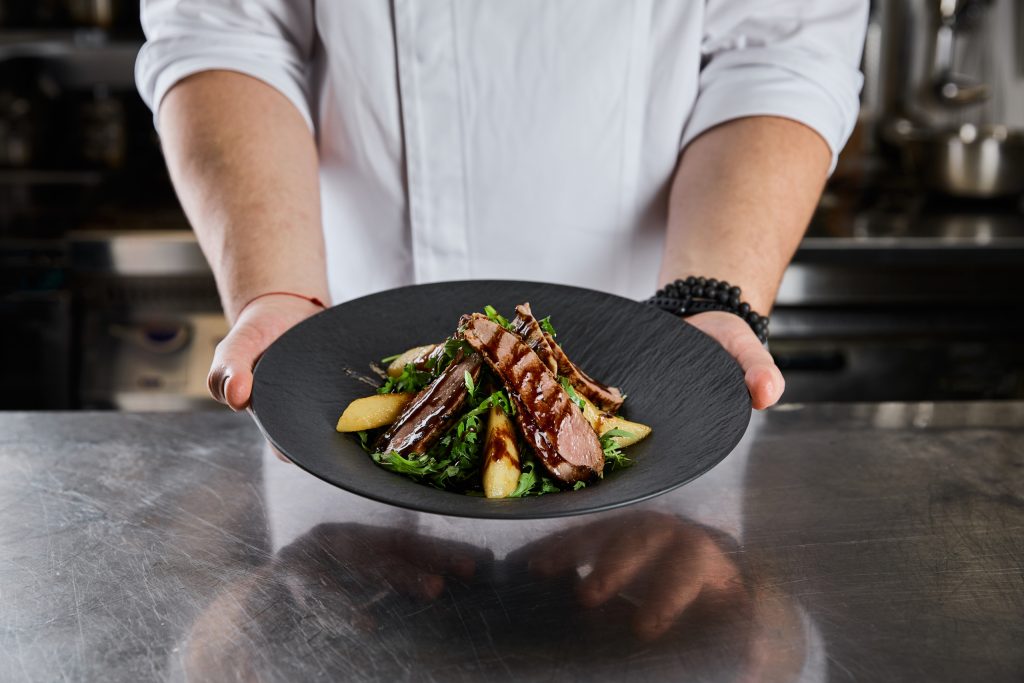
Elevating the Experience through Plating
Plating is often described as a culinary language, a way to communicate flavor and style before the first forkful approaches the lips. The art of plating invites home cooks and professional chefs alike to tap into their creativity, transforming everyday meals into visual feasts. To harness this potential, it’s essential to understand the foundational elements that make a plate unforgettable.
One of the most vital aspects of plating is color. Celebrating the natural vibrancy of ingredients not only entices the eye but can also affect the taste perceptions of diners. For instance, an inviting plate with the warm tones of roasted carrots paired with the cool green of dill or parsley can energize the dinner scene. Studies have shown that colors can evoke specific feelings and associations; indeed, a colorful dish can prompt anticipation and excitement before a bite is ever taken.
Alongside color, the importance of texture cannot be neglected. Textural contrast adds depth and interest to a dish. Think of the various components of a salad: the crispness of fresh lettuce juxtaposed with the tender creaminess of avocado or the crunch of toasted nuts. Incorporating diverse textures invites diners to engage more fully with the dish, moving beyond visual delight to a comprehensive sensory experience. This alchemy of flavor and feel can evoke memories and emotions, making each meal a cherished occasion.
- Visual Balance: Achieving harmony on the plate is crucial, ensuring that no single element outshines another. Balancing the proportions of different ingredients helps create a visually appealing overall aesthetic.
- Shape: The shapes of the components can contribute strongly to the dish’s appeal. Round elements such as meatballs or scoops of purée can contrast interestingly with angular items like vegetable strips, providing visual tension.
- Symmetry vs. Asymmetry: While some dishes thrive on classic symmetry, others benefit from asymmetric arrangements. Understanding when to apply each style can be instrumental in creating a striking presentation. A casual asymmetry can evoke a more relaxed atmosphere, inviting diners into an almost organic experience.
Additionally, garnishing is often the finishing touch that elevates a dish to a true work of art. When completed with precise intentions, garnishes do more than decorate — they can enhance flavors too. For example, a drizzle of balsamic reduction or a sprinkle of sea salt can transform an already exquisite dish into a symphonic experience for the palate. Furthermore, the effort placed into garnishing reflects a chef’s commitment to excellence, affirming the importance of aesthetics in culinary arts.
Incorporating these elements into your plating strategy can create such a profound impact. By paying attention to color, texture, visual balance, shape, and strategic garnishing, culinary enthusiasts can uplift any dish from mundane to extraordinary. Whether you’re hosting a dinner party or simply preparing a meal for yourself, understanding the art of plating allows one to embrace the full spectrum of the culinary experience. As you dabble in these techniques, you’ll unlock a world where each plate tells a story, and every bite is savored with delight.
The Importance of Color and Contrast in Plating
When it comes to the art of plating dishes, the use of color and contrast plays an essential role in enhancing visual appeal. A vibrant dish not only stimulates the appetite but also conveys freshness and excitement. Incorporating a mix of colors, shapes, and textures can create a more dynamic presentation. For instance, pairing bright greens with earthy browns or bright reds can enhance the appeal of the dish. Furthermore, contrasting elements can draw attention to specific components, allowing the flavors of each ingredient to shine.
Utilizing the Right Plates
The choice of plate can significantly affect how a dish is perceived. Plates with deep colors can emphasize the vibrancy of the food, while minimalist white plates can highlight intricate details. Using different sizes and shapes can also contribute to the overall aesthetic. Remember, a larger plate can create a sense of abundance while smaller plates can help to create an intimate feel. Play around with options as this will influence the overall presentation.
Balance and Arrangement Techniques
Good plating is about achieving a sense of balance. Think about the composition as if you were creating a piece of art. Elements should work together harmoniously while also providing contrast. For example, placing protein at the center and surrounding it with sides creates a focal point that draws the eye. Utilizing the ‘rule of thirds’ – dividing the plate into three equally sized sections can guide the arrangement process, ensuring each component has its place without overwhelming the viewer.
Garnishing and Finishing Touches
The finishing touches, such as garnishes, are crucial in plating dishes. Fresh herbs, edible flowers, or a drizzle of sauce can add not only flavor but visual appeal. These elements should complement the dish in both color and flavor, enhancing the overall experience. Additionally, consider using sauces and purees to create patterns on the plate that add intrigue and depth to the presentation.
| Advantages | Description |
|---|---|
| Enhanced Visual Appeal | Colorful presentation stimulates appetite and interest. |
| Improved Dining Experience | Thoughtful plating turns a meal into a feast for the senses. |
In summary, mastering the key elements of plating from color composition to garnishing can elevate your culinary creations. Beautiful plating not only showcases your creativity but also enhances the overall dining experience, encouraging guests to indulge and fully appreciate the art of food. With these techniques, you can develop your unique style while impressing those who savor your dishes.
DISCOVER MORE: Click here to delve deeper
Creating a Culinary Canvas
To truly master the art of plating, one must think of the plate as a blank canvas waiting to be filled with flavor and creativity. Understanding the space you work with is essential. Different shapes of plates will affect how your food looks; for instance, a wide, shallow plate encourages a sprawling presentation, while a deep bowl may invite a more intimate serving style. Choosing the right dishware is foundational in achieving a visually impressive presentation.
Moreover, the composition of a plate plays a significant role. Engaging with the Rule of Thirds, a concept borrowed from visual art, can enhance your plate’s appeal. Imagine dividing your plate into thirds, both vertically and horizontally. When you place the primary ingredients along these lines or at the intersections, it creates a more harmonious and engaging visual experience. This technique can guide you in creating a “focal point” with larger protein portions while allowing for supporting elements like vegetables and grains to elegantly encircle them.
Layering for Depth
Another technique that can elevate your plating is layering. Layering not only allows you to showcase different ingredients but also adds dynamism to the presentation. For instance, layering a creamy risotto with grilled vegetables and a protein on top can create an inviting elevation that draws the eye upward. Remember that each layer should not overwhelm the others; instead, think of how the colors and textures interact, balancing richness with brightness.
A great example of layering can be seen in classic dishes like lasagna or even a well-prepared taco, where each component peeks through just enough to entice the diner. Utilizing clear or transparent dishes can also enhance the layering effect, allowing diners to see the thoughtful construction within. This method not only adds visual flair but also creates anticipation about the flavors that await.
Neglecting Negative Space
While filling a plate beautifully is crucial, many cooks overlook negative space. This concept refers to the empty areas on a plate, often equally as important as the filled areas. Negative space can create breathing room in your presentation, allowing each component to shine without feeling cluttered. Intentionally leaving certain areas bare can force the viewer’s eye to travel across the dish, enhancing the overall experience.
Utilizing negative space can be particularly effective when plating small, intricate food items like garnishes or delicate sauces that deserve attention. Consider the chickpea salad, where the pungent sauce is the star, each chickpea nestled delicately to create a beautiful contrast against a vast canvas of white plate. Such an approach primes guests not just for what is on the plate but also draws them into a narrative of flavors.
Incorporating Seasonal Elements
To keep your dishes fresh and relevant, tapping into seasonal ingredients can enhance both flavor and visual appeal. Seasonal vegetables and fruits add not only fresh colors but also a sense of place and time to your dishes. Think about how the deep hues of fall squash lend themselves to bright, contrasting greens, or how leafy summer herbs can bring a touch of vibrancy to the plate.
Don’t hesitate to represent the seasonality of your ingredients visually. Hearty root vegetables presented with rustic leaves can evoke autumnal feelings, while an arrangement garnished with edible flowers offers a breath of spring. This dedication to seasonal flavors not only ensures the quality and freshness of your dish but also connects the diners with the ethos of the ingredients being used.

By integrating these techniques—understanding the plate as a canvas, mastering layering, embracing negative space, and featuring seasonal ingredients—you can significantly enhance the visual impact of your dishes. Each element contributes to a chef’s or home cook’s ability to tell a story through food, capturing not only the eyes but the hearts of those gathered around the table. Encountering a visually stunning dish not only elevates the dining experience but can instill a profound appreciation for the culinary arts.
DIVE DEEPER: Click here to learn more
Final Thoughts on Culinary Aesthetics
In the realm of culinary arts, plating transcends mere presentation; it becomes a vital aspect of the overall dining experience. By adopting techniques such as viewing the plate as a canvass, expertly layering ingredients, embracing the beauty of negative space, and integrating seasonal elements, you can transform an ordinary meal into a sensory narrative that captivates both the eyes and the palate. Each of these strategies not only enhances visual appeal but also conveys intention and care, enriching the connection between food and the diner.
Moreover, as trends in gastronomy continue to evolve, the importance of visually impressive plating cannot be overstated. It plays a crucial role in social media shares and food photography, where an aesthetically pleasing plate can garner attention and spark conversations. With the rise of platforms like Instagram, presenting food as a work of art can elevate restaurants and home kitchens alike.
As you experiment with your plating techniques, remember that creativity knows no bounds. Use your dishes as a means to explore flavors and textures while delighting the senses aesthetically. The journey towards mastering the art of plating not only encourages culinary innovation but also invites diners to appreciate food as a holistic experience, where every bite tells a story. In summary, embrace the art of plating as an extension of your unique culinary voice, and watch as your dishes transform from simple meals into gastronomic masterpieces.