The Impact of Culinary Arts on Mental Health: How Cooking Can Help Reduce Stress
Exploring the Connection Between Cooking and Mental Well-Being
In today’s fast-paced world, many people struggle with stress and anxiety. One often-overlooked solution lies within the kitchen: culinary arts. While cooking can be seen merely as a means to an end, it offers profound benefits for mental health.
Benefits of Cooking for Mental Health
Engaging in culinary activities fosters a sense of accomplishment and creativity. Consider the following aspects:
- Meditative Process: Chopping, stirring, and measuring can become a meditative experience, helping to focus the mind. This rhythmic nature of cooking allows individuals to immerse themselves fully in the task, similar to practices like yoga or meditation. Many find that their worries fade as they concentrate on the textures, colors, and aromas of their ingredients.
- Mindfulness: Cooking encourages being present in the moment, reducing stress and increasing awareness. Mindful cooking involves paying attention to the sensory details of each step, transforming the routine into an engaging and fulfilling experience. This practice is particularly beneficial in overcoming anxiety, as it centers one’s thoughts away from life’s stressors and into the sensory experience of creating food.
- Social Connections: Preparing meals can strengthen relationships when shared with family and friends. Cooking together fosters teamwork, communication, and bonding. In many cultures, sharing a meal is an integral part of social life, signifying trust and connection. Recent studies have even shown that families who cook and eat together report higher levels of satisfaction in their relationships.
Research suggests that immersing oneself in the culinary world can promote happiness and reduce feelings of isolation. For many, the act of cooking transforms a mundane task into a joyful and rewarding experience. Creative cooking also allows for the exploration of different sensations and flavors, which can stimulate the mind and inspire further exploration in the culinary arts.
Why You Should Explore Cooking
From boosting confidence to enhancing creativity, the culinary arts offer unique tools for managing mental health. Preparing a meal, whether an intricate dish or a simple comfort food, can serve as a tangible reflection of one’s efforts and abilities. The satisfaction of creating something tasty can substantially improve mood and self-esteem.
Furthermore, cooking can lead to nutritional awareness and improved dietary habits, contributing to overall well-being. For instance, those who engage in regular cooking activities tend to make healthier food choices, as they are more informed about ingredients and preparation methods. This can also lead to long-term lifestyle changes, promoting not just mental health but physical vitality as well.
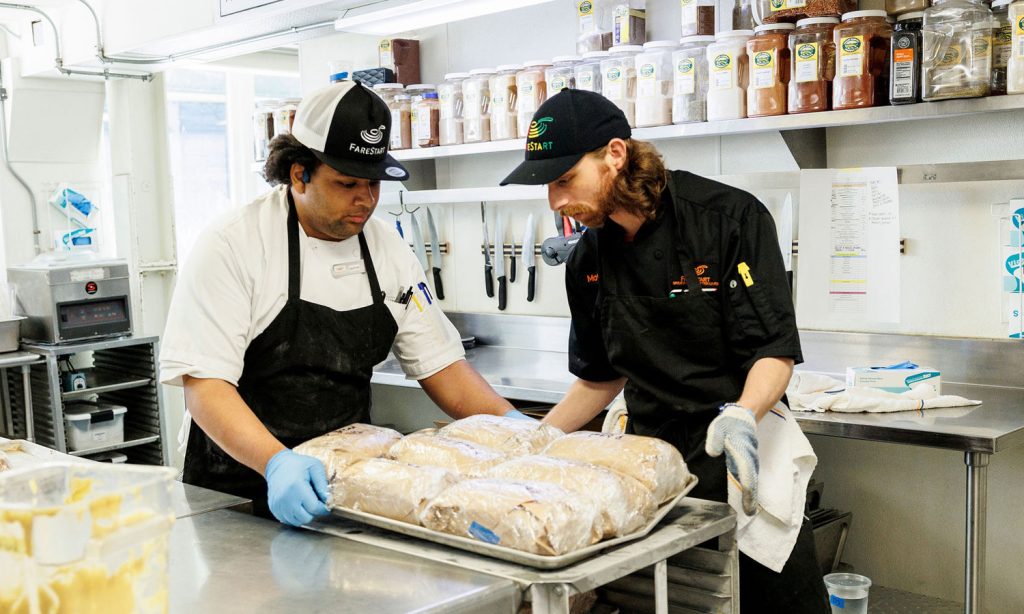
Engaging with food can truly serve as a pathway to emotional resilience, prompting many to take a closer look at their relationship with cooking. As more people begin to discover the myriad benefits of culinary activities, it highlights the importance of viewing cooking not just as a task, but as an opportunity for creativity, mindfulness, and connection. So why not grab an apron, put on some music, and explore the therapeutic world of cooking?
DISCOVER MORE: Click here to learn how performing arts can benefit mental health
The Therapeutic Elements of Cooking
Cooking is not just about combining ingredients; it is a multifaceted experience that intertwines creativity, organization, and sensory exploration. Research supports the idea that culinary arts can significantly contribute to one’s mental health by providing a variety of therapeutic elements that can help alleviate stress and anxiety.
Step-By-Step Engagement
The structured nature of cooking requires focus and precision, which can serve as a distraction from daily stressors. Here are several ways cooking engages the mind:
- Focus and Concentration: Each recipe requires attention to detail, from following instructions to monitoring cooking times. This necessity for focus shifts the mind away from overwhelming thoughts and concerns, allowing for a refreshing mental break.
- Creativity and Expression: Cooking is an art form that invites creativity. Experimenting with flavors, colors, and plating techniques can ignite one’s passion and inspire innovation. Engaging the creative side not only offers an emotional outlet but also fosters a sense of accomplishment when the meal is successfully executed.
- Order and Control: In a world where many aspects can feel chaotic, cooking provides a welcomed sense of order. Measuring ingredients, cleaning as you go, and organizing your workspace instills control over your environment, which can be particularly empowering for those battling anxiety.
By participating in the culinary arts, individuals can tap into these therapeutic aspects, gaining both immediate and long-lasting benefits. Furthermore, the act of cooking can provide individuals with a structured routine. This routine can be crucial for those who may feel overwhelmed by unstructured time or the unpredictability of life.
Scientific Insights into Cooking and Mental Health
Studies have shown that engaging in creative activities, including cooking, can stimulate the release of dopamine, a neurotransmitter associated with pleasure and reward. This chemical response contributes to improving mood and reducing feelings of sadness or inadequacy. In fact, a 2016 study published in the Journal of Positive Psychology found that individuals who participated in cooking as a creative outlet reported heightened optimism and lowered anxiety levels.
Moreover, culinary arts can serve as a social activity, further enhancing mental well-being. Cooking and sharing meals with loved ones fosters connections and nurtures relationships, creating a support network that is crucial during times of stress. American culture often places great emphasis on communal meals, from family gatherings to seasonal celebrations, reinforcing the idea that food is a uniting force. This relational aspect of cooking can significantly counter feelings of isolation, as well as enhance one’s sense of belonging.
As the exploration of culinary arts continues to reveal its profound impact on mental health, it becomes evident that incorporating cooking into one’s life provides valuable opportunities for emotional expression, creativity, and connection. So, beyond simply satisfying hunger, cooking can become a vital tool for managing stress and promoting mental well-being.
The Therapeutic Aspects of Cooking
Cooking is more than just a necessity; it is an art form that can provide significant mental health benefits. Engaging in culinary activities has been shown to foster creativity and enhance mood. The very act of preparing food allows individuals to immerse themselves in a sensory experience, which can serve as a powerful distraction from the stresses of daily life.
Mindfulness through Cooking
Cooking encourages mindfulness—a mental state achieved by focusing one’s awareness on the present moment. When chopping vegetables or mixing ingredients, individuals can achieve a meditative state that quiets the mind. Studies indicate that such culinary mindfulness can be an effective practice for reducing symptoms of anxiety and depression.
Nutritional Benefits
Moreover, the connection between cooking and nutrition cannot be overlooked. Preparing meals at home allows for control over ingredients, which translates to healthier eating habits. A well-balanced diet can directly impact one’s mental well-being and energy levels. By choosing fresh ingredients, individuals increase their intake of essential vitamins and minerals, supporting both physical and mental health.
Social Connections through Cooking
Culinary arts can also promote social interaction and bonding. Cooking for family or friends not only enhances relationships but also creates a sense of community. Sharing meals offers a platform for meaningful conversations and connections, alleviating feelings of loneliness and isolation, which are common contributors to stress and mental health issues.
Engaging in New Culinary Experiences
Exploring new cuisines and cooking methods can stimulate the brain and spark joy. Culinary arts provide opportunities to learn and practice new skills, thus boosting self-esteem and a sense of achievement. Cooking classes, workshops, and community cooking events can be gateways for individuals looking to enhance their culinary experience while reducing stress. One often overlooked aspect of culinary arts is the cross-cultural exchange they promote. Exploring global cuisines can broaden one’s perspective and appreciation for diversity. This cultural appreciation fosters empathy, an important factor in maintaining mental wellness. Incorporating cooking into your routine can be an effective strategy for enhancing mental health. Next, we will explore the direct techniques to integrate cooking into stress management practices effectively.
| Category | Advantages |
|---|---|
| Mindfulness | Encourages focus on the present moment, reducing anxiety. |
| Nutrition | Promotes healthier eating, positively impacting overall mood. |
| Social Connections | Builds community through shared meals, alleviating loneliness. |
| Creativity | Encourages expression and exploration, leading to increased joy. |
Dive Deeper: Click here to unlock your creative potential
Cooking as a Form of Mindfulness
In recent years, the concept of mindfulness has gained traction as a powerful tool for mental health. Cooking can easily be integrated into mindfulness practices, as it encourages living in the moment and immersing oneself in the sensory experience of food preparation. When individuals concentrate on the task at hand—whether it’s chopping vegetables, kneading dough, or stirring a simmering sauce—they often find themselves more present and engaged. This intentional focus can help quiet the racing thoughts that often accompany stress and anxiety.
The Senses of Cooking
The culinary process appeals to all five senses, creating a rich tapestry of experiences that can improve one’s emotional state:
- Visual Appeal: The vibrant colors of fresh produce, the arrangement of ingredients, and the transformation of food as it cooks can evoke joy and satisfaction. Engaging visually can trigger positive memories associated with food, enhancing feelings of well-being.
- Sound: The sizzling of onions in a pan, the snap of fresh vegetables, or even the rhythmic chopping of a knife can be both calming and pleasurable. These auditory cues contribute to a soothing environment, encouraging a sense of peace during cooking.
- Smell: Aromas can evoke strong emotions and memories, serving as a powerful anchor to the present moment. The scent of baking bread or simmering spices can create a comforting atmosphere that enhances overall mood.
- Tactile Sensation: The act of kneading dough, rolling out pastry, or even just the simple task of washing and peeling produce can provide a meditative quality. Engaging your hands in food preparation fosters a deep connection to the process and can be deeply therapeutic.
- Taste: Finally, the culmination of the cooking experience comes with tasting the final dish. Savoring flavors not only brings pleasure but also enhances the rewards of your labor, providing a fulfilling sense of accomplishment.
Culinary Arts as a Community Activity
The communal aspect of cooking cannot be overstated. Many cultures around the world emphasize the importance of sharing meals, and in the United States, gatherings such as potlucks or holiday feasts highlight this tradition. Working together in the kitchen not only encourages collaboration but also strengthens bonds as people share in the process of creating something delicious. Preparing meals together fosters communication, laughter, and connection—elements crucial in combating the loneliness often associated with mental health issues.
Research also suggests that participating in community cooking classes or group meal preparation can provide additional benefits. Not only do these activities impart culinary skills, but they also facilitate new friendships and openness among participants. Engaging in group culinary activities creates a supportive environment, reinforcing a sense of belonging and connection, which is vital for emotional wellness.
In essence, whether enjoyed alone or shared with others, the culinary arts offer a unique platform for individuals to experience mindfulness, creativity, and connection. The act of cooking can serve as a therapeutic outlet, allowing people to channel their energy into something productive and rewarding—an invaluable tool for managing stress in today’s fast-paced world.
DISCOVER MORE: Click here to learn how creative writing boosts self-esteem
Conclusion: Embracing the Therapeutic Power of Culinary Arts
The evidence is compelling: cooking not only satisfies the palate but also nurtures mental health. By engaging in culinary activities, individuals gain a reprieve from stress and anxiety, harnessing the therapeutic power embedded in the art of food preparation. Cooking serves as a vehicle for mindfulness, allowing practitioners to immerse themselves in the moment and appreciate the sensory experiences that accompany each step—from the vibrant colors of fresh ingredients to the soothing sounds and aromas of the kitchen.
Moreover, the communal aspect of cooking highlights its social significance. As people gather to create and enjoy meals together, they strengthen relationships and combat feelings of isolation, which are often linked to mental health struggles. Setting a table for shared experiences fosters not only laughter and conversation but also a sense of belonging—an essential component of emotional wellness.
As we navigate a world that frequently feels overwhelming, embracing the culinary arts can serve as a powerful antidote. Not only does it provide a canvas for creativity and self-expression, but it also offers a meaningful way to manage stress. Thus, incorporating cooking into our daily routines can be a transformative practice, enriching our lives in ways far beyond mere sustenance. Investing time in culinary arts can be a delightful yet impactful way to enhance mental health and well-being.
Ultimately, whether through solo endeavors in the kitchen or inviting friends for a collaborative feast, the act of cooking can elevate our spirits and improve our mental states. Let us not overlook this enriching practice; instead, we should embrace it fully, tapping into a resource that nourishes both body and mind.