The Evolution of Crafts: From Traditional to Modern
Understanding the Journey of Craftsmanship
The tapestry of crafts is rich with historical significance and cultural heritage, reflecting the evolution of human creativity in tandem with technological advancements. From ancient practices that met everyday needs to today’s artistic explorations, crafting tells enduring stories about society at large and the individual craftsmanship involved.
In traditional societies, crafts were indispensable for survival and community sustenance. For instance, pottery was crucial for early communities, not just as a medium for cooking but also for storage—a means to prolong the life of food in an age before refrigeration. Various cultures developed distinctive ceramics; consider the iconic blue-and-white pottery of China or the adobe clay pots of Native Americans, each showcasing unique styles and purposes. These items not only served functional roles but also expressed artistic intent and community identity.
Another vital area is weaving, which transformed raw materials into essential clothing and textiles. Traditional methods such as loom weaving have been pivotal to numerous cultures, producing everything from the luxurious silk fabrics of Asia to the sturdy wool carpets of the Middle East. The patterns and colors of these textiles often hold rich stories and traditions, connecting generations through shared artistry.
Woodworking, too, exemplifies the interplay between function and creativity. Indigenous nations across America, for example, crafted intricate totem poles that told stories of ancestry and tribal lore while simultaneously building practical items like canoes and tools essential for their way of life.
The Impact of the Industrial Revolution
The onset of the Industrial Revolution in the 18th century marked a dramatic shift in the crafting world. Mass production emerged, leading to the widespread availability of goods at lower prices, which shifted public perception of crafts from necessity to luxury. This change had a dual impact, fostering both the growth of consumerism and a longing for authentic, handmade goods that emphasized quality over quantity.
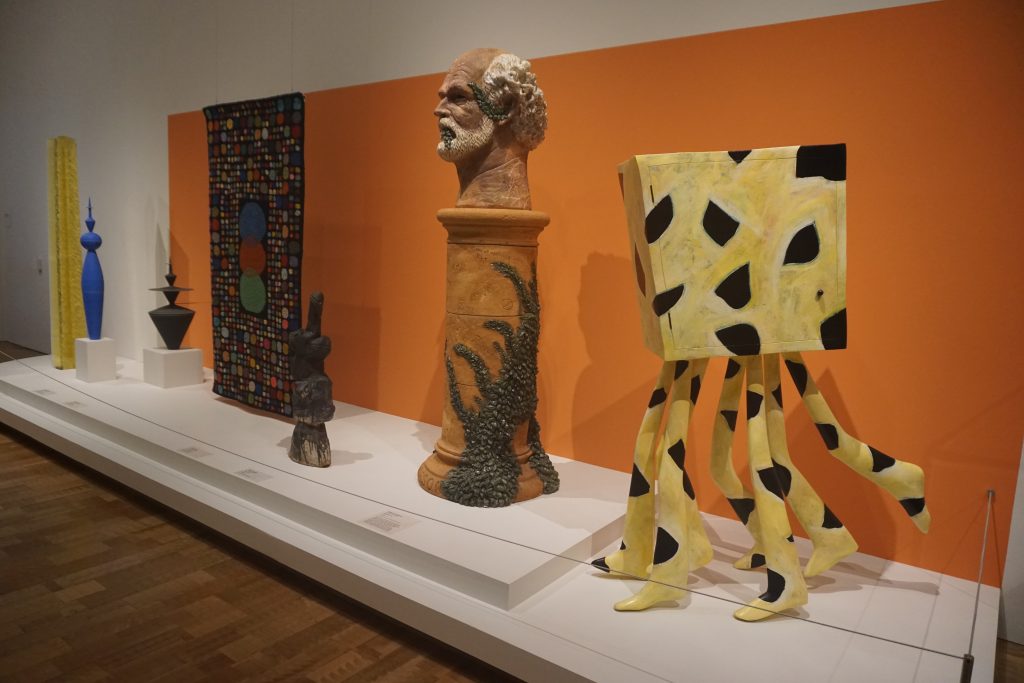
In the contemporary landscape, themes of sustainability and personal expression become increasingly prominent. Modern artisans often adopt eco-friendly materials, prioritizing the environment in their craft. From handmade soaps to recycled wooden furniture, today’s craftspeople convey ecological consciousness while creating artworks with reduced carbon footprints. Digital techniques, such as 3D printing, have further broadened the scope, allowing artisans to innovate designs that were once thought impossible. This technology enables intricate detailing and customization, engaging a contemporary audience eager for personal expression.
Ultimately, the evolution of crafts intertwines traditional methods with modern innovations. By blending the old with the new, artisans honor their roots while paving the way for future creativity. Each crafted item becomes a bridge connecting timeless traditions with the dynamic world we inhabit today, inviting us all to reflect on the legacy and impact of craftsmanship in our daily lives.
DISCOVER MORE: Click here to dive deeper into the art of improvisation</
The Threads of Tradition: From Heritage to Innovation
The journey of craftsmanship is marked by a fusion of old-world techniques and modern methodologies, painting a vivid picture of how artisans have adapted over time. In examining traditional crafts, we glean insights into the values and skills honed by generations, each reflecting a distinct cultural narrative. As society has progressed, these crafts have evolved—adapting to meet changing demands and tastes while preserving the essence of their origins.
One cannot discuss traditional crafts without mentioning the significance of glassblowing. This intricate art form traces its history back to the earliest days of civilization. Ancient Egyptians and Romans mastered the craft, creating exquisite vessels and ornamental pieces that remain celebrated today. Modern glass artists continue to innovate by incorporating technology, allowing for breathtaking designs that blend the old craftsmanship with contemporary aesthetics.
Metalworking is another time-honored craft that has undergone remarkable transformations. What began as essential tool-making has now blossomed into a domain of artistic expression. Blacksmiths of yore created robust tools and weapons, essential for survival. Today, metal artisans elevate their work through techniques like metal casting and welding, producing sculptures and jewelry that reflect personal narrative and social commentary. The rise in popularity of metalsmithing classes across the United States showcases a rekindled passion for hands-on craftsmanship among new generations.
- Handmade Pottery: A revival in artisan potters emphasizing traditional wheel-throwing techniques while experimenting with modern glazes and forms.
- Textile Arts: Weavers increasingly incorporate contemporary themes into traditional lace and fabric designs, mapping cultural dialogues.
- Jewelry Making: Artisan jewelers combine ancient techniques with modern-day sensibilities, often utilizing ethically sourced materials.
Moreover, the rise of community workshops and maker spaces has reinforced a renewed appreciation for crafts. As seen across urban centers like New York and Los Angeles, these spaces foster collaboration among artists, engineers, and hobbyists alike, allowing for the exchange of ideas and techniques. Such environments enable novices to grasp the fundamentals while experienced artisans can explore complex projects, ultimately weaving community bonds through shared creativity.
The Resurgence of Artisan Movements
In addition to community engagement, the growing consumer demand for ethically produced goods has spurred a resurgence of artisan movements. As consumers become more conscious of fast fashion and mass production’s environmental impact, they turn to handmade products that tell a story. This shift emphasizes craftsmanship that champions sustainability, quality, and personalization—values deeply rooted in traditional practices.
As the landscape of crafting continues to shift, today’s artisans stand at the forefront of an exciting crossroad where tradition and modern innovation coexist. This journey reflects not only a transformation of craft but also revealing our evolving relationship with art, culture, and sustainability. The narrative of craftsmanship is far from linear; it is a vibrant and dynamic tapestry that beckons further exploration.
The Evolution of Crafts: From Traditional to Modern
As crafts evolved from centuries-old techniques to modern methods, there emerged a fascinating confluence of heritage and innovation. Artisans today blend traditional craftsmanship with contemporary aesthetics, resulting in a rich tapestry that appeals to diverse audiences. This fusion not only revitalizes ancient practices but also ensures their relevance in today’s fast-paced world.One remarkable trend is the revival of natural materials, often seen in sustainable crafts. Artisans are increasingly embracing eco-friendly practices, using organic, locally sourced materials that reduce environmental impact, reflecting a greater awareness of sustainability. For instance, woodworkers are experimenting with reclaimed timber, turning what was once discarded into stunning furniture pieces that tell a narrative of their past lives.Moreover, the rise of technology has significantly impacted crafting methods. Techniques like 3D printing and digital design tools allow creators to experiment with shapes and forms that were nearly impossible to achieve by hand. This blend of craftsmanship with technology presents not just a shift in how crafts are made, but also who can participate in the craft community. Online platforms enable artisans from around the globe to share their work, collaborate, and engage with consumers in a meaningful way.The modern craft movement also emphasizes individual expression and personalization in crafting. Consumers are increasingly drawn to handmade goods with unique stories and character, as they seek quality over mass production. This shift has led to a renaissance in artisanal skills, as crafters strive to differentiate themselves through innovative designs and techniques.To delve deeper into this multifaceted world, consider exploring the rich histories behind various crafts and their transformations. Every handmade item carries not just aesthetic value, but also the weight of tradition, culture, and a vision for the future.
| Category 1 | Category 2 |
|---|---|
| Sustainability in Crafts | Use of eco-friendly materials and practices. |
| Technological Integration | Blending traditional methods with modern technology. |
As you continue to explore, consider the diverse pathways that crafts take in this evolving landscape, where ancient techniques and new-age technologies harmoniously coexist, shaping the future of creativity in profound ways.
DIVE DEEPER: Click here to discover how technology is reshaping music creation</
Bridging Generations: The Role of Technology in Crafting
As the world embraces the digital age, the intersection of technology and traditional crafts has opened new avenues for artisans. The introduction of innovative tools and techniques has not only transformed how crafts are produced but has also influenced the aesthetic language of various art forms. For instance, the advent of 3D printing has begun to redefine product design, enabling craftspeople to create intricate pieces that were once impossible to manufacture by hand. This merging of technology and craftsmanship is crafting a new narrative that honors the past while looking to the future.
One fascinating example is in the realm of woodworking. Traditional carpentry, with its reliance on hand tools, has combined forces with advanced machinery to achieve unparalleled precision and complexity. Digital fabrication tools like CNC (Computer Numerical Control) routers allow woodworkers to execute intricate designs that reflect both historical motifs and contemporary styles. Businesses that employ these technologies are often able to produce small-batch, personalized items that cater to modern consumer tastes.
The impact of technology is also prominently seen in the field of textiles. While traditional fabric-making processes are celebrated for their labor-intensive techniques, modern-day weavers are increasingly adopting digital jacquard looms. This allows for the reproduction of elaborate patterns at a scale that honors their traditional origins but can also accommodate evolving design requests from a diverse clientele. Furthermore, the rise of online platforms has expanded artisans’ reach, enabling them to sell their creations globally, an opportunity that was virtually unattainable for previous generations.
The Globalization of Crafts
Another defining feature of the evolution of crafts is the phenomenon of globalization. As cultures interact and intertwine, artisans find inspiration in diverse traditions around the world. The craft of basket-weaving, for instance, has transcended its geographical confines, assimilating techniques and styles from different cultures. This cross-pollination encourages a dialogue between artisans and their traditions, fostering innovative methods and enabling crafts that boast multiple cultural influences.
- Social Media Influence: Platforms such as Instagram and Pinterest serve as vital tools for artisans to showcase their work and connect with audiences, further accelerating the exchange of ideas from a vast array of backgrounds.
- Collaborative Art Projects: Initiatives like “Artisan Village” focus on bringing together craftspeople from various disciplines, encouraging sharing knowledge while enhancing collaborative creativity.
- Market Accessibility: Online marketplaces like Etsy or ArtFire offer artisans a platform to reach niche markets, allowing unique handmade goods to find their way into the homes of consumers who value authenticity.
Moreover, the concept of upcycling has emerged as a significant trend within modern crafts, resonating deeply with eco-conscious consumers. Artisans are reimagining discarded materials into beautiful new creations, not only providing unique pieces but also contributing to environmental sustainability. From furniture crafted from reclaimed wood to jewelry made from vintage components, upcycling represents a harmonious blend of craftsmanship and contemporary environmental awareness.
The evolution of crafts—from their traditional roots to modern interpretations—illustrates a profound journey of innovation, community, and cultural dialogue. These artisans are not just creators; they are custodians of legacy and pioneers paving the way for future generations to redefine craftsmanship in an ever-changing world.
DISCOVER MORE: Click here to dive deeper
Conclusion
The journey of craftsmanship from its traditional roots to its modern manifestations reveals a captivating narrative woven with cultural heritage, technological advancements, and evolving consumer preferences. This dynamic evolution showcases how artisans blend time-honored techniques with innovative practices to create works that resonate with contemporary audiences.
Through the lens of globalization, crafts are no longer confined to geographical boundaries; they are enriched by the intermingling of artistic expressions from diverse cultures. As artisans draw inspiration from various traditions, they craft pieces that reflect a collective heritage while also addressing modern sensibilities. The role of social media and online marketplaces has undeniably facilitated this exchange, enabling them to showcase their work and reach a global customer base.
Furthermore, the integration of technology has revolutionized the crafting landscape. Tools like 3D printing and CNC machining not only streamline production but also empower artisans to explore uncharted realms of creativity. As a result, contemporary craftspeople can honor their heritage while simultaneously breaking new ground in aesthetic and functional design.
As we consider the future of crafts, the significance of sustainability becomes increasingly apparent. The rise of practices like upcycling reflects a growing consciousness among artisans and consumers alike toward environmental responsibility. This shift ensures that creativity and conscientiousness coexist, allowing craftsmanship to remain relevant in an ever-changing world.
In conclusion, the evolution of crafts from traditional to modern serves not just as a testament to human creativity but as a reminder of the enduring relevance of craftsmanship in our lives. As artisans continue to navigate the intersection of culture and innovation, their work will undoubtedly inspire future generations to carry the torch of creativity forward.